August 6, 2026 Holiday — Agricultural Workers' Day: History and Greetings
August 6 marks Farmworker Appreciation Day. This is an unofficial observance that is primarily celebrated in the United States and is dedicated to the people whose daily work helps grow, harvest, and deliver food to our tables. In 2026, this day falls on Thursday, August 6. Its purpose is not only to say “thank you” to farmworkers but also to highlight the difficult conditions in which they work and the struggle for their rights.
Farmworker Appreciation Day honors the people who work in agriculture and keep the vast food supply chain running. These are the workers who plant and tend to crops, harvest produce, and sort and package goods. Their work also involves animal husbandry, milk and meat production, and many other processes without which modern food simply wouldn’t make it to store shelves.
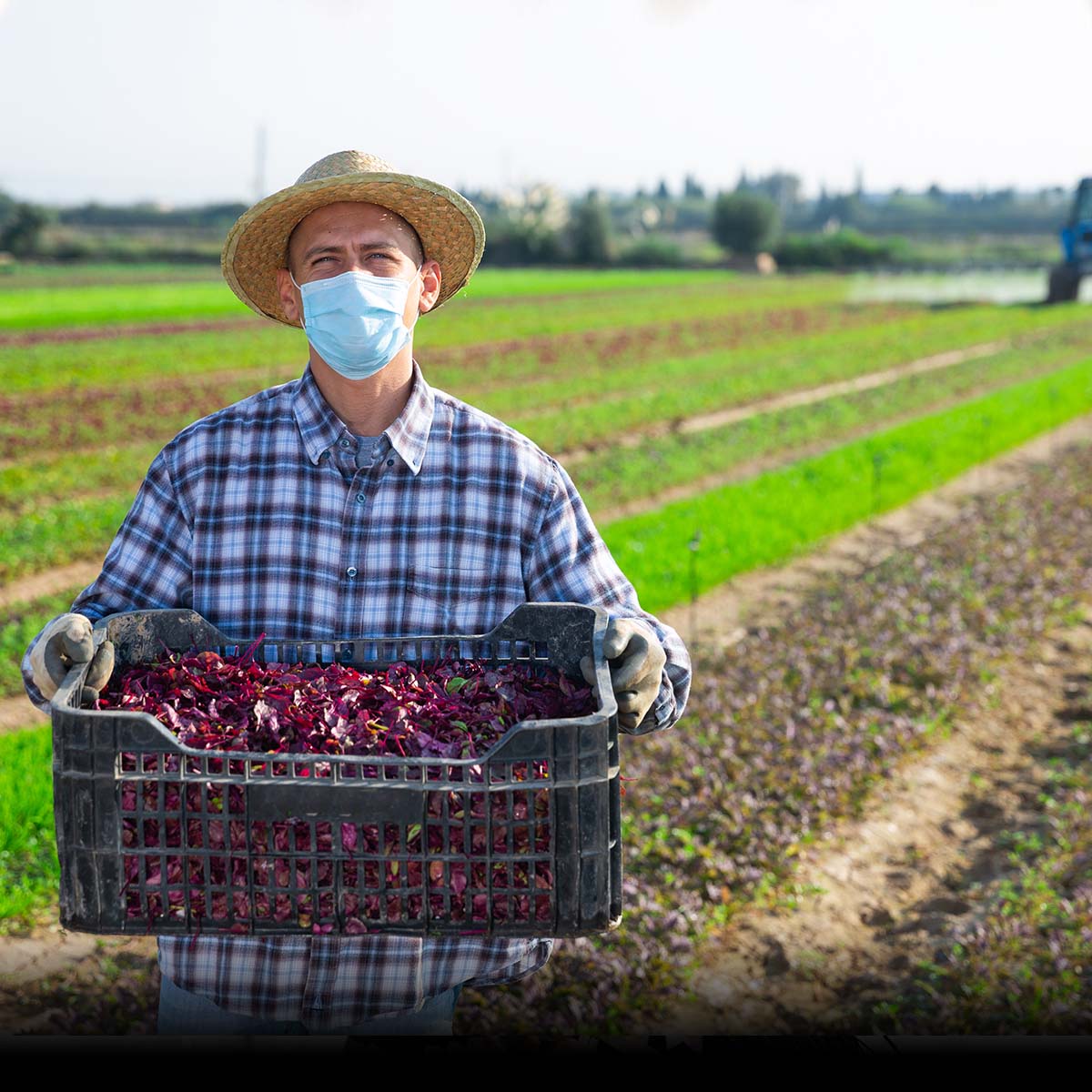
At first glance, it might seem that a farm worker is just someone who picks vegetables or fruit. In reality, agricultural work encompasses far more tasks. From preparing the soil and planting to watering, tending to the plants, harvesting, sorting, and packaging—people are needed at every stage. That’s why on August 6, we invite you to look at your usual trip to the store in a slightly different light. Apples, tomatoes, strawberries, potatoes, milk, or meat don’t just appear on the shelves by themselves. Behind every such product lies a long chain of work, a significant part of which begins right on the farm.

In the U.S., this date is also used as an opportunity to discuss working conditions. Agricultural workers often labor outdoors, in the heat, in the rain, or under other challenging weather conditions. The workday can be long, and the work itself is physically demanding and dangerous. That’s why Farmworker Appreciation Day is not just about saying a simple “thank you.” It’s also a reminder of the people who are often hidden behind the finished product on the store shelf.
When Is Farmworker Appreciation Day Observed?
Farmworker Appreciation Day is observed annually on August 6. In 2026, the date falls on a Thursday. However, it is not a federal holiday in the U.S. nor an official international holiday with the same status in every country around the world. It is more accurately described as a commemorative or informational date. Farms, agricultural organizations, civic groups, local governments, educational institutions, and individuals who wish to publicly thank farmworkers participate in the observance.
Interestingly, the date itself was not fixed from the very beginning. The history of the day is linked to the American farmworkers’ movement for better working conditions, and the first observance—associated with the United Farm Workers—took place in 1966. At that time, September was chosen for the observance, rather than August 6. The date was later changed. In 1994, U.S. President Bill Clinton issued a proclamation designating August 6 as a day to honor agricultural workers. It is this decision that modern calendars of commemorative dates associate with the establishment of August 6 as Farmworker Appreciation Day.
So this day has quite an interesting history: it grew not simply out of a desire to thank farmers, but out of the workers’ own long struggle for respect, fair pay, and safe working conditions.
How It All Began
To understand the origins of this day, we must go back to the United States in the 1960s. At that time, workers on American farms, especially in California, often worked for low wages and had significantly fewer labor protections than many other categories of workers. Filipino agricultural workers in California played a particularly important role in the protest movement. They spoke out against low wages and difficult working conditions. Their protests became part of a broader movement for farmworkers’ rights.
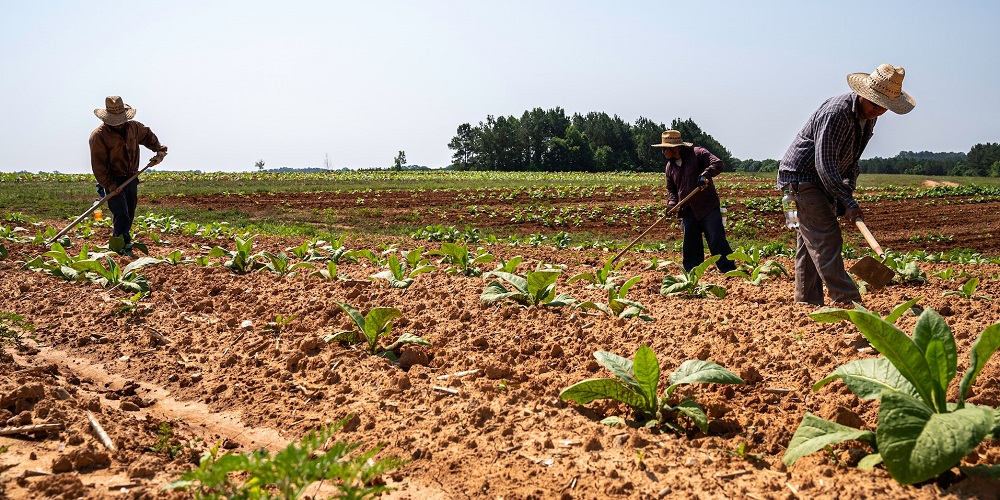
In the 1960s, the struggle for farmworkers’ rights became a prominent part of the American labor movement. Various groups and labor unions joined the cause. One of the key outcomes was the creation of the United Farm Workers, a labor union dedicated to defending the rights of agricultural workers. In 1966, the United Farm Workers established a day to honor farmworkers. Initially, it was held in September, with the date chosen to coincide with a religious holiday honoring Our Lady of Mercy, who in some traditions is considered the patron saint of farmers and agricultural workers.
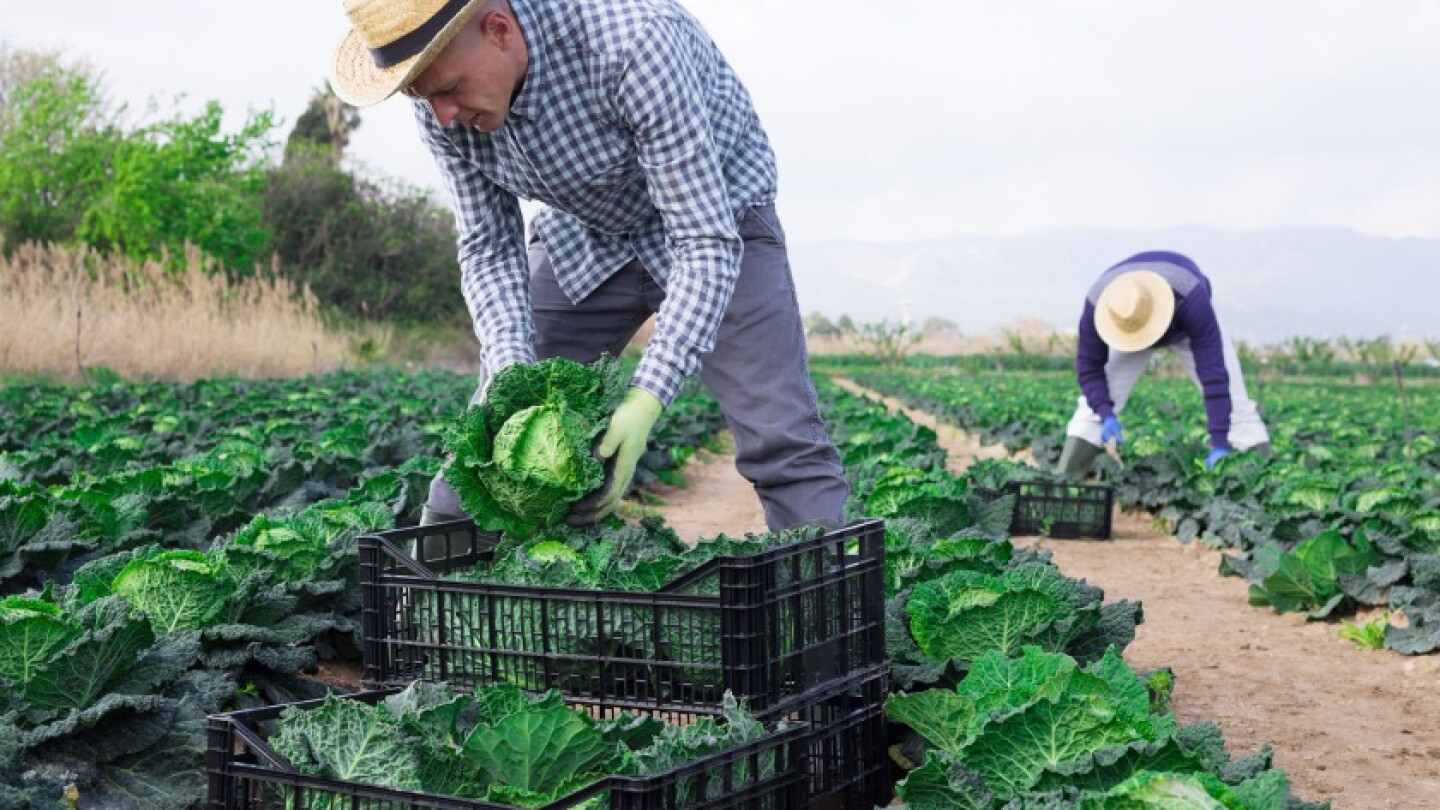
Over time, this tradition changed, and August 6 became the date most commonly associated with Farmworker Appreciation Day today. Thus, the history of the labor struggle has evolved into an annual day of gratitude that serves as a reminder of both the achievements and the challenges faced by workers in the agricultural sector.
Why Workers’ Rights Became Part of This Day
At first glance, it might seem that this day of appreciation is simply an opportunity to say a few kind words. However, the history of Farmworker Appreciation Day shows that gratitude here is closely linked to workers’ rights. People who work on farms may spend many hours on their feet performing heavy physical labor. Much of this work takes place outdoors. In hot weather, this poses additional health risks, especially if workers don’t have enough breaks, water, or a place to shelter from the sun.
The use of pesticides and other chemicals in agriculture remains a separate issue. Workers need proper training, protective equipment, and safe conditions to minimize these risks. The U.S. National Institute for Occupational Safety and Health (NIOSH) specifically studies farmworker safety issues, including the risks of heat and other hazardous conditions.
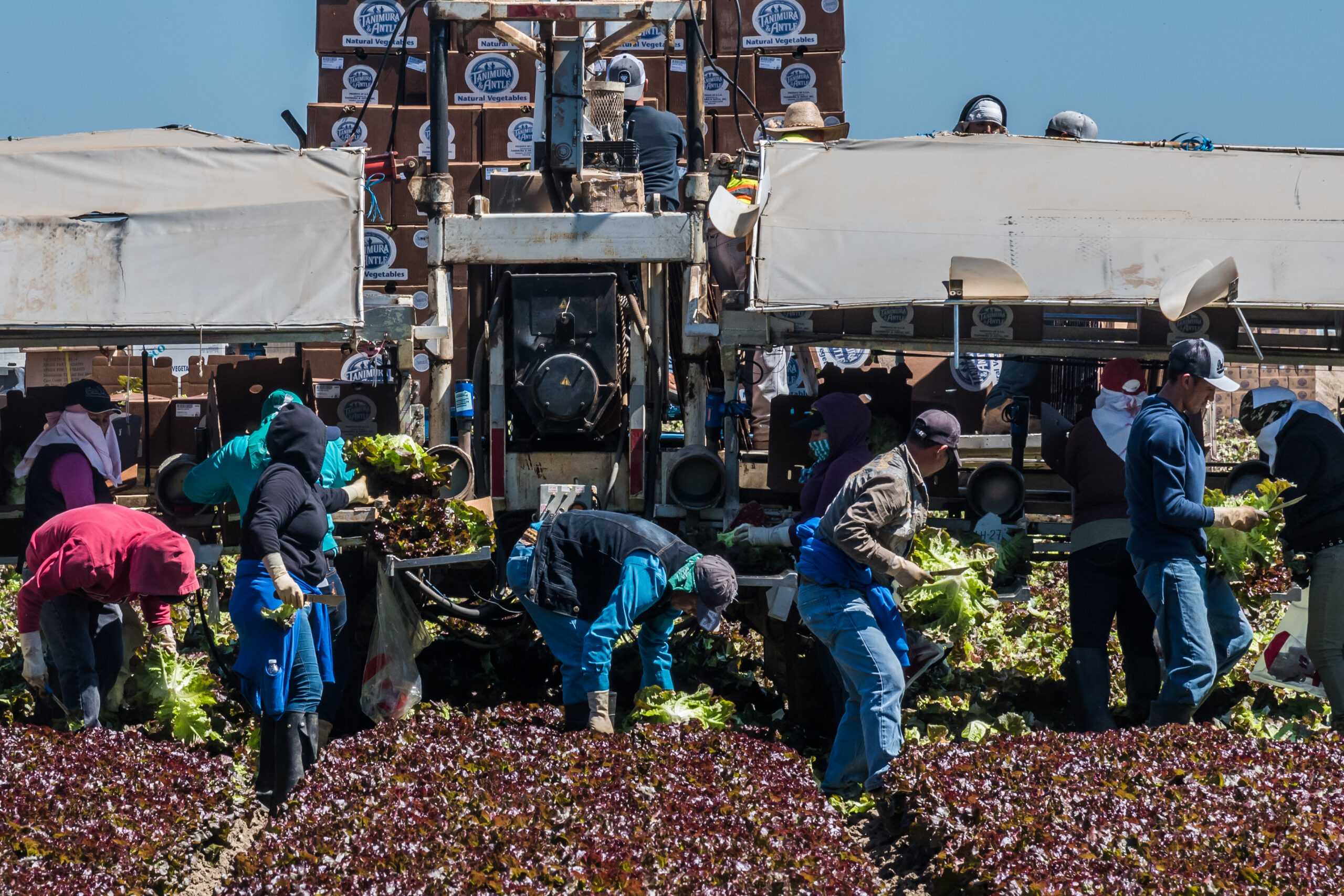
Another problem is job instability. In many cases, the demand for workers depends on the season and the harvest. People may work particularly hard during harvest time and then have less work afterward. That is why Thanksgiving carries another important message: respect for workers should not be limited to a single day on the calendar. Gratitude should include a safe workplace, fair pay, and respectful treatment.
The People Behind Our Food
If you look at a typical grocery basket, you can see just how much of it is the result of agricultural workers’ labor. Vegetables, fruits, grains, dairy products, meat, and other foods are all linked to agricultural work. Farmworkers may plant seeds, transplant seedlings, water fields, weed crops, tend to orchards, harvest crops, and sort produce. At some facilities, they also handle packaging and prepare goods for transport.
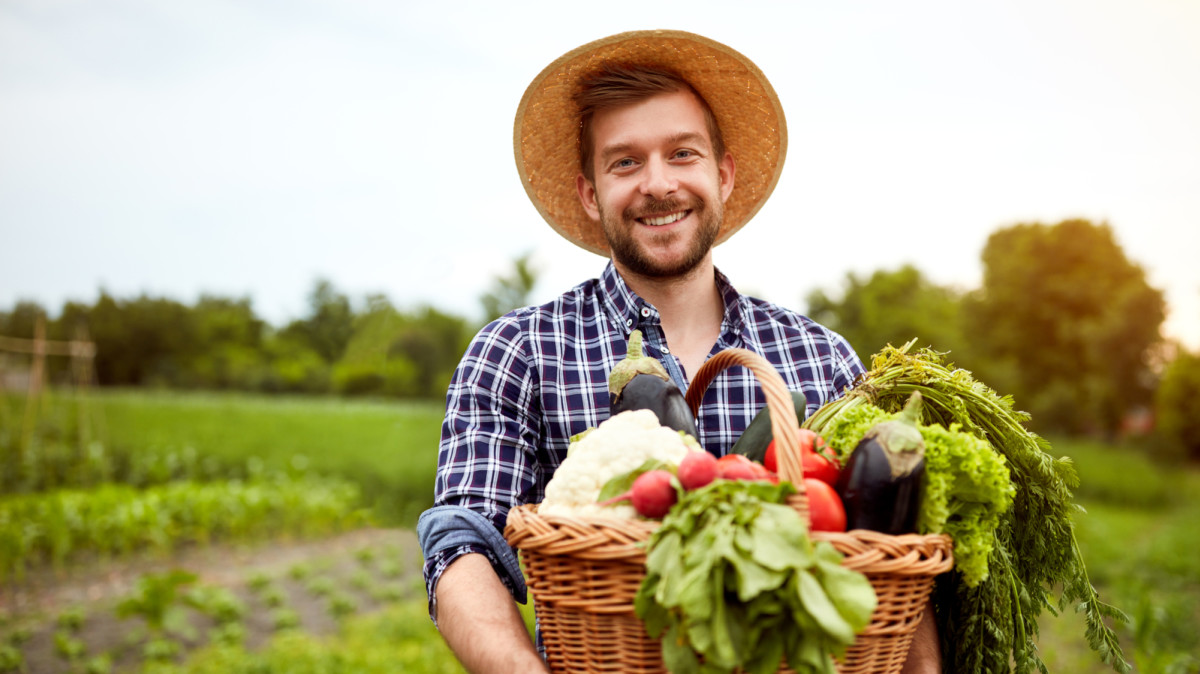
All of this happens long before a product reaches the supermarket. Shoppers see neatly packaged goods on the shelves, but they don’t see the people who worked in the fields during the earlier stages. “From farm to table” is not just a catchy phrase. It’s an entire chain in which agricultural workers are one of the key links. That’s why U.S. government and agricultural organizations use August 6 to highlight these workers’ contributions to the food system. In 2022, according to the CDC/NIOSH, there were approximately 2.6 million agricultural workers in the U.S.
Why This Work Is Especially Hard in the Summer
August 6 falls in the middle of summer, when many regions of the U.S. experience hot weather. For someone who works in an office, intense heat may simply mean spending less time outdoors. For a farmworker, the situation is entirely different. Field work isn’t always something you can simply postpone until cooler times. Crops must be harvested when they’re ripe, and plants require constant care. As a result, workers may spend long periods of time in direct sunlight.

The CDC emphasizes that agricultural workers often work long hours outdoors and may be exposed to extreme temperatures. The work itself is physically demanding and, in some situations, dangerous.
That is why employers are advised to prioritize breaks, access to water, opportunities to cool off, and other safety measures. Cornell Agricultural Workforce Development specifically mentions additional breaks for workers as one of the simple gestures of appreciation to mark the day. This is a good example of how a simple “thank you” can be turned into concrete action. Sometimes the best way to show that someone’s work is appreciated is simply to make their job a little safer and more comfortable.
How to Celebrate Agricultural Workers’ Appreciation Day
There is no single, mandatory script for this day. It is not a holiday with an official ceremony where everyone must follow the same rituals. On the contrary, every farm, organization, or community can choose its own way to thank its workers. One of the simplest options is to say “thank you” in person. For someone who does hard work every day, sincere appreciation can be more important than a big gift.
Farms can organize a group lunch or barbecue for their workers. Managers can also prepare small gifts, treats, or other tokens of appreciation. Cornell Agricultural Workforce Development recommends precisely these simple approaches—from shared meals and small gifts to extra breaks and personal thanks.
Another popular option is to highlight employees on social media. Farms and agricultural companies can showcase not only their products but also the people who work behind the scenes every day. This helps make their work visible to customers. This day is also a good opportunity to discuss labor rights. After all, true gratitude isn’t just about acknowledging the importance of their work—it’s also about ensuring safe working conditions, fair pay, and respect for employees.
Support Local Producers
Another way to celebrate this day is to buy products from local farmers. These can include seasonal vegetables, fruits, dairy products, eggs, meat, or other locally produced goods. Shopping at a farmers’ market or directly from the producer allows you to better understand where your food comes from. In some cases, shoppers can even chat with the people who grew it.
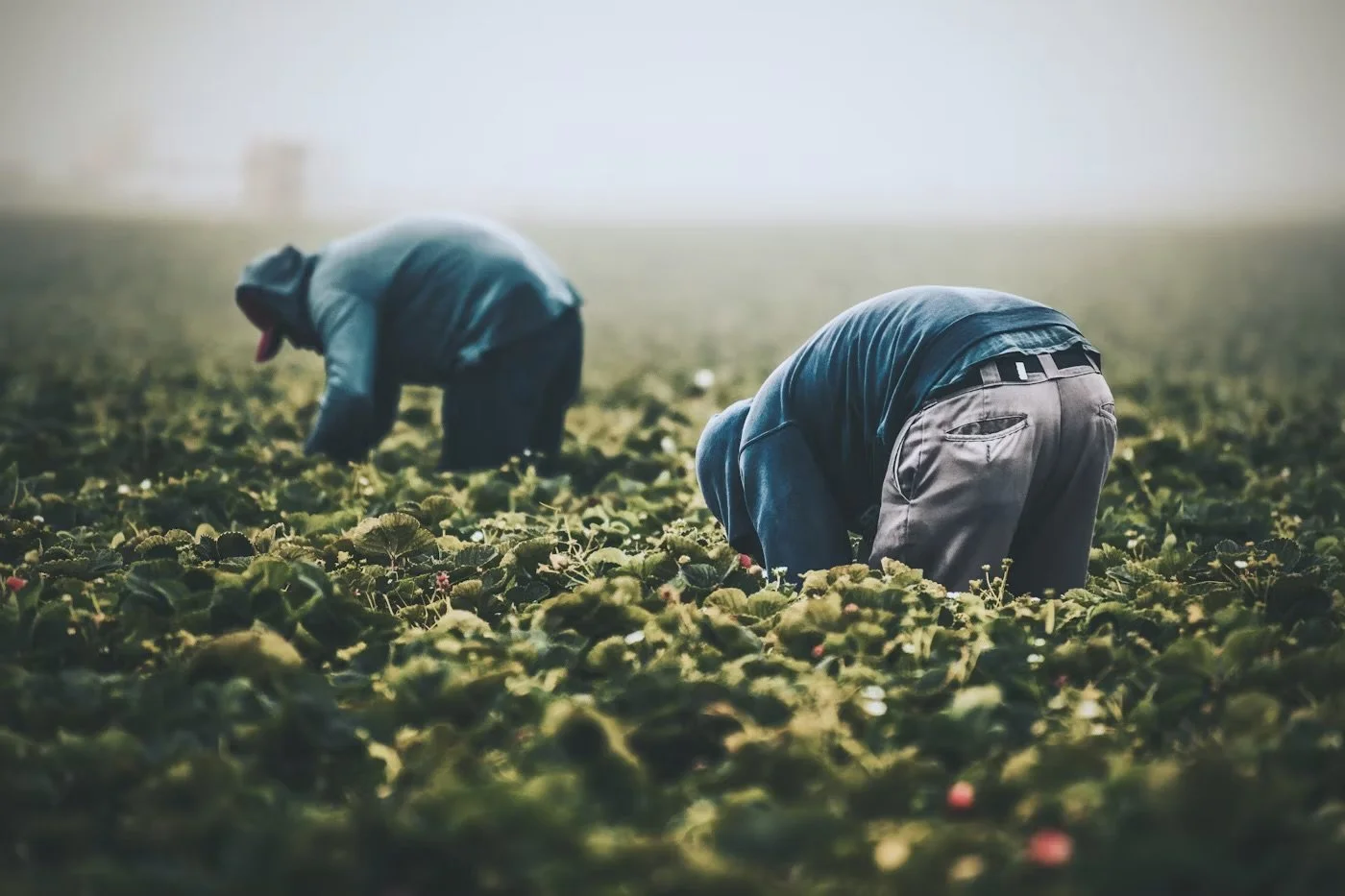
This approach also makes economic sense. When people buy products from local producers, they support not only a specific farm but also the local economy tied to it.
It’s also a way to remind yourself that there’s real work behind every product. Behind every basket of vegetables, fruits, or other food are people who have invested their time, effort, and skills to bring these products to market. That’s why supporting local producers is often cited as one of the practical ways to celebrate Farmworker Appreciation Day.
Social media is also becoming part of the tradition
In today’s world, social media plays an important role. People can post photos of farmers, field workers, harvests, or local farms and share stories about their work. For farms, this is an opportunity to show exactly who is behind their products. Instead of just posting a photo of the product, they can tell the story of a specific worker, their responsibilities, and their daily routine.

Agricultural organizations can share information about workplace safety, working conditions, and the challenges workers face. This way, the day becomes more than just a celebration—it turns into an awareness campaign.
For the average user, it’s even simpler: you can write a post expressing gratitude or share content about the work of farmers. #FarmworkerAppreciationDay is a popular hashtag used for such posts. The main thing is not to turn this day into a perfunctory post just to check a box on the calendar. Its purpose is precisely to remind people of those they usually don’t see when they buy food.
Interesting Facts About Farmworker Appreciation Day
This day is observed on August 6. In 2026, it falls on a Thursday. The date repeats every year and is not moved to another day of the week.
It does not have the status of a U.S. federal holiday. Therefore, August 6 does not automatically mean a day off for workers. It is, first and foremost, a day of gratitude and raising awareness of the work of farmworkers.

The history of the day is linked to the farmworkers’ rights movement. In the 1960s, protests took place in the U.S. against low wages and harsh working conditions. Filipino farmworkers in California played a significant role in this movement.
The first Farm Workers’ Day, associated with the United Farm Workers, was held in 1966. However, at that time, it was observed in September, not on August 6.
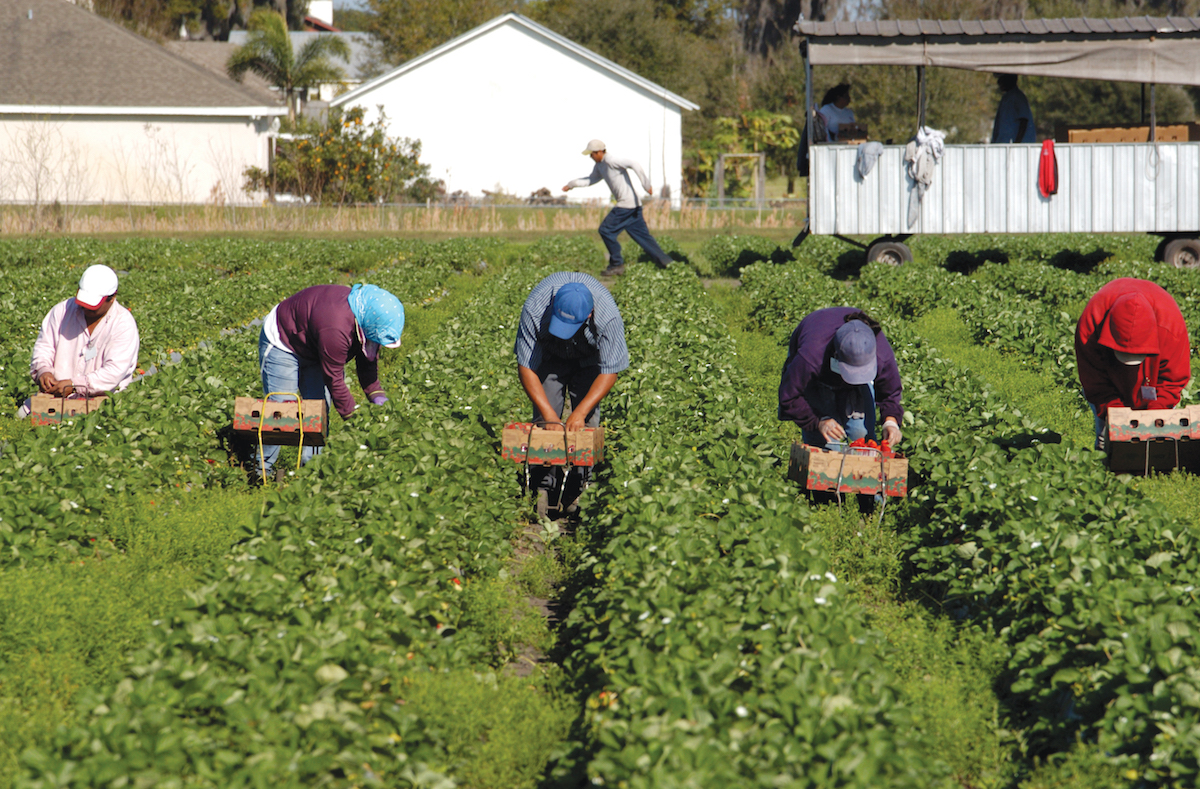
August 6 is associated with Bill Clinton’s 1994 proclamation. It was then that the U.S. president designated this date as a day to honor agricultural workers.
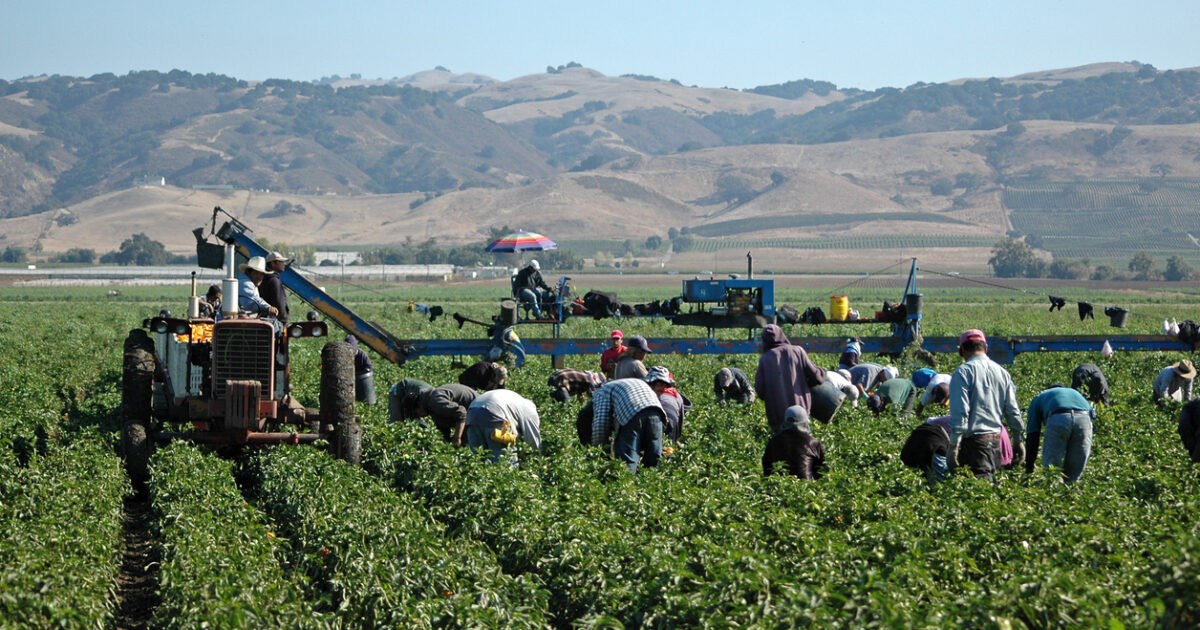
Agricultural workers perform a wide variety of tasks. It’s not just about harvesting. Their work includes planting, tending crops, irrigation, sorting, packing, and other tasks.
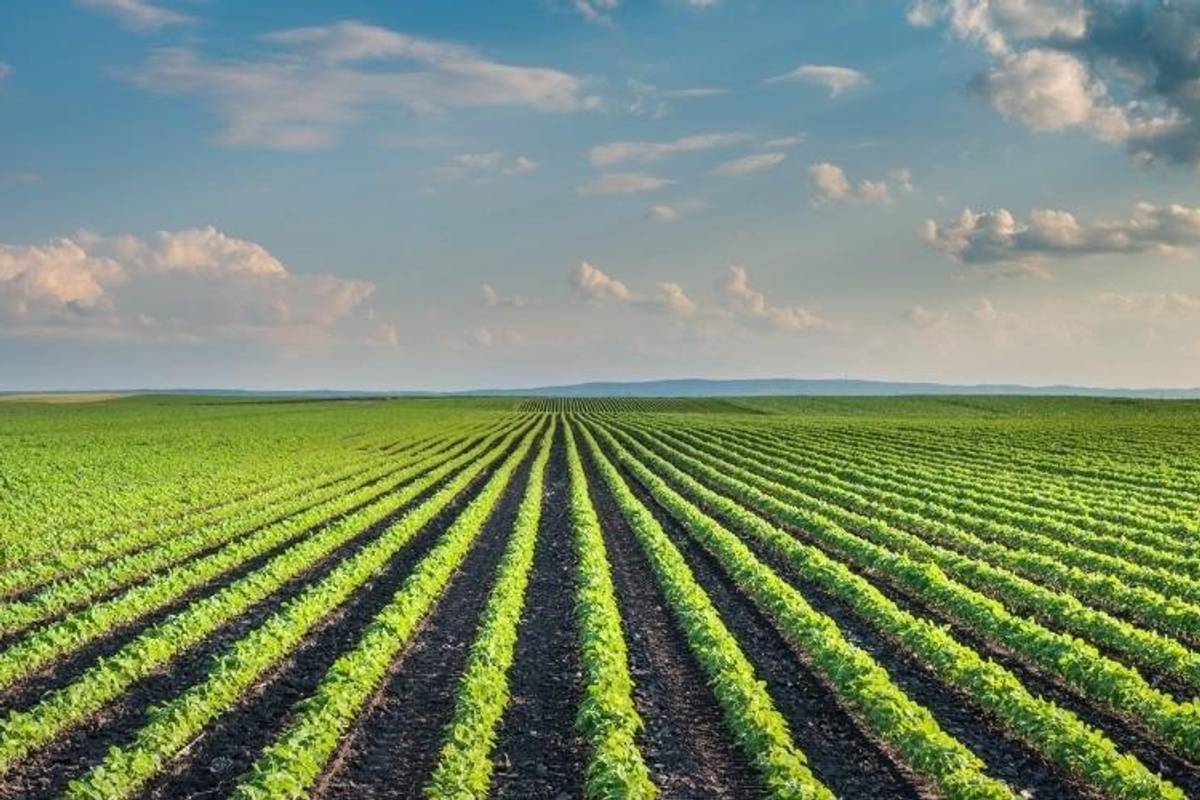
Agricultural work can be dangerous. The CDC/NIOSH notes that farmworkers face physically demanding conditions, long hours of outdoor work, and extreme temperatures.

In 2022, there were approximately 2.6 million agricultural workers in the United States. According to CDC/NIOSH, the agricultural sector also contributed over $203 billion to the U.S. economy in 2023.
What You Can Do on August 6
You don’t need to come up with a complicated event to celebrate Farmworker Appreciation Day. You can start with something simple—expressing your gratitude to farmworkers or people who grow food. If there’s a farmers’ market nearby, you can buy seasonal produce from a local producer. This isn’t just about buying food—it’s a way to support a farm operating in your community.

You can also spread the word about this day to friends and acquaintances. For example, post a photo of a local farm, talk about the work farmers do, or share information about working conditions in agriculture. Farms can organize a group lunch, offer a small gift, or simply give workers more time off. Cornell Agricultural Workforce Development also advises managers to use this day to show their teams that their work is recognized and appreciated.

But there’s also a broader perspective—taking an interest in the conditions under which the people who produce our food work. Supporting safe working conditions, fair pay, and workers’ right to defend their interests goes beyond mere symbolic gratitude.
Why It’s Important to Talk About Agricultural Workers
Agriculture is often viewed solely in terms of its output—crops, food products, exports, and prices for fruits and vegetables. Yet behind all these numbers are people who work with the land, plants, and animals every day. Their work depends on the weather, the season, and the harvest. If a field needs tending, it can’t simply be left until Monday. If fruit has ripened, it must be picked on time. If the weather changes, workers have to adapt to it.
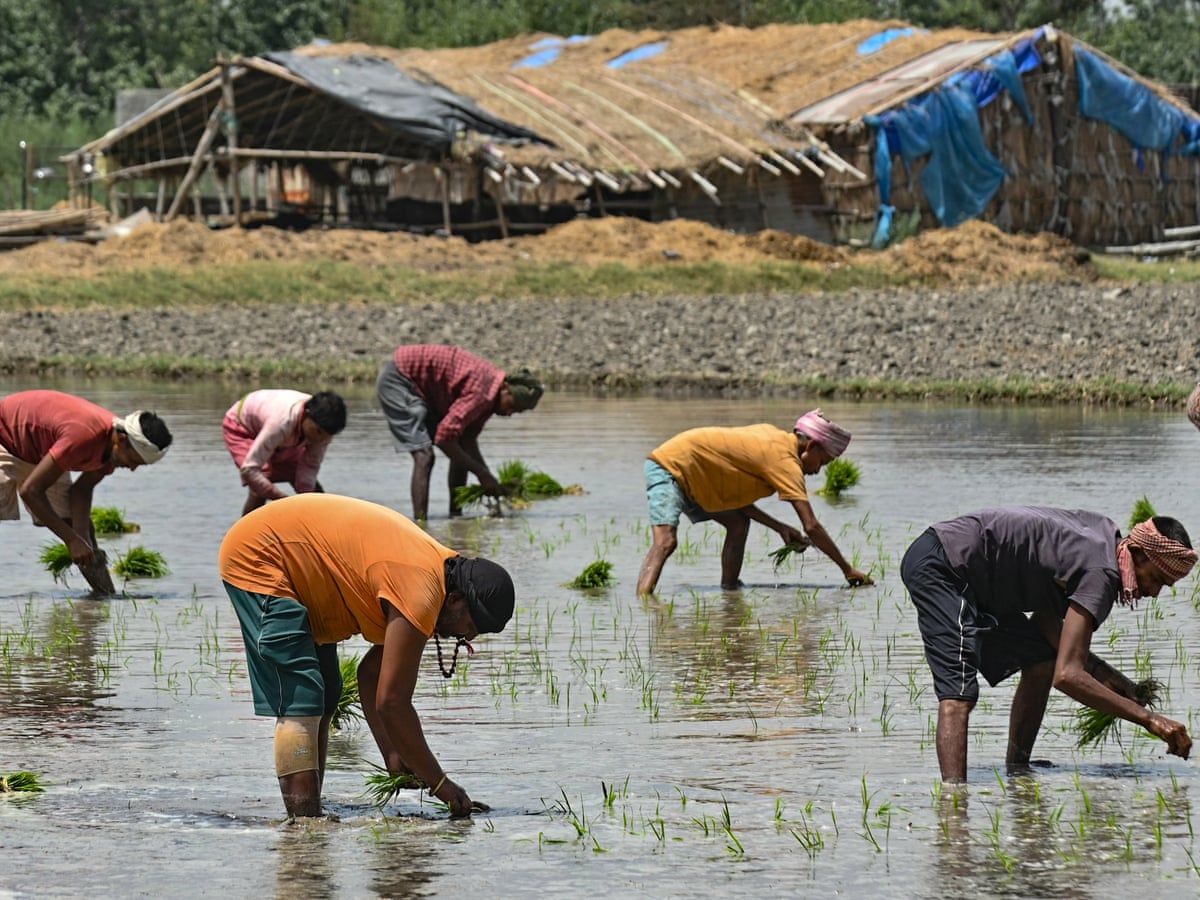
It’s work that requires stamina, attention to detail, and experience. At the same time, it often goes unnoticed because shoppers only see the finished product. Farmworker Appreciation Day aims to change exactly that. One day on the calendar serves as a reminder: the food on our table doesn’t start at the supermarket, but much earlier—in the field, on the farm, in the orchard, or in the greenhouse.
Gratitude That Should Last Beyond a Single Day
Farmworker Appreciation Day is an opportunity to pause and reflect on the people who keep the food system running. On August 6 in the U.S. and other places where this date is observed, people talk about farmworkers, their daily labor, and their contribution to society. But at the same time, this day should remind us of something more. The words “thank you for your work” must be backed by decent working conditions, access to water and rest, protection from hazards, fair pay, and respect.
The history of this day began precisely with workers’ struggles for their rights. That is why today it combines two things—gratitude and a reminder of responsibility. It is important not only to acknowledge the person harvesting the crops but also to remember that they have the right to work in safe and dignified conditions.
So on August 6, you can simply say “thank you” to those who work the land. You can buy local produce, support a farm, share stories about farmers’ work on social media, or learn more about the challenges they face. Because every product on our table has its own story. And very often, that story begins with a person who heads out to the fields before dawn to do their work.