
August 7, 2026 — Professional Speaker Day: History, Traditions, and Interesting Facts
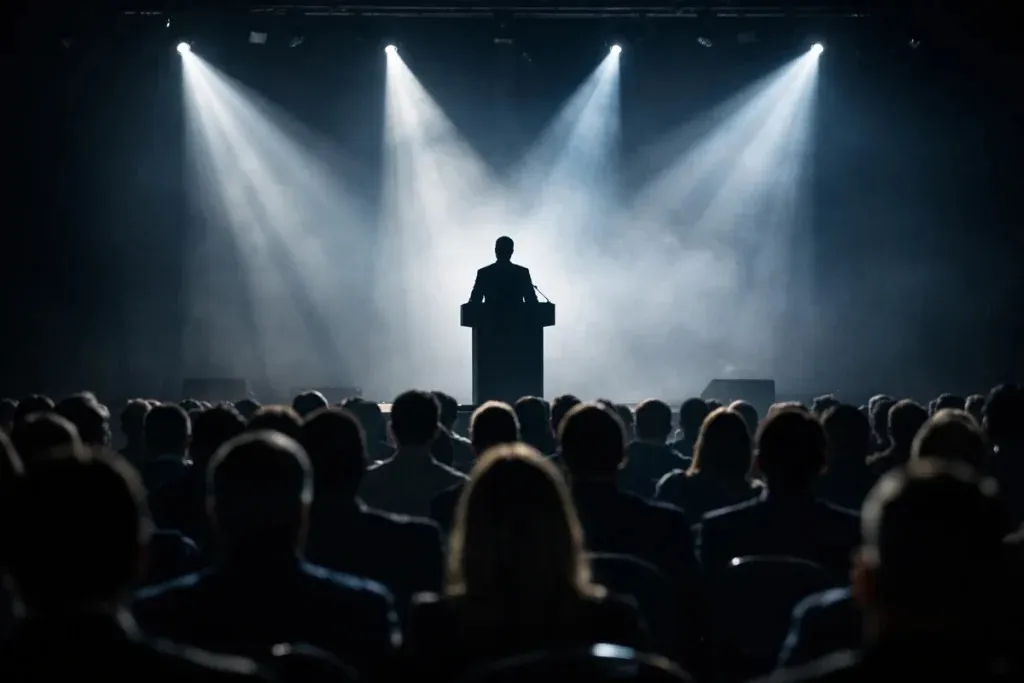
August 7 marks Professional Speaker Day—an unofficial day celebrating people who know how to speak in front of an audience, teach, persuade, motivate, and captivate their listeners. This holiday isn’t just for famous lecturers or trainers: professional speakers can include teachers, businesspeople, scientists, journalists, hosts, experts, and anyone who uses words to communicate with an audience. The day also serves as a reminder that a good speech doesn’t necessarily mean the absence of fear, since even experienced speakers can feel nervous before taking the stage.
Professional Speakers Day is celebrated annually on August 7. In 2026, this date falls on a Friday. It is not a national holiday nor an official international day established by the UN or any other intergovernmental organization. It is observed as a thematic professional day to draw attention to the work of people who regularly speak in front of an audience.
On this day, we honor everyone who works in public speaking. This includes motivational speakers, teachers, coaches, consultants, lecturers, conference moderators, business representatives, and experts in their respective fields. The main idea behind the day is quite simple: words can do more than just convey information—they can change minds, motivate people to take action, and help them learn. That is why a professional speaker is not just someone who talks a lot. It is important that people listen to them, understand them, and remember what they say.
The Origins of Professional Speakers Day
There is no clearly documented history of the creation of Professional Speakers Day in open sources—it is unknown who specifically established this date or in which year it occurred. Therefore, it is best not to present claims about a specific founder or the exact date of its inception as an established fact. At the same time, the tradition of honoring professional speakers itself has grown out of the very ancient history of public speaking. The art of speaking persuasively before an audience developed as far back as Ancient Greece and Rome. For the ancient Greeks, the ability to speak in public was more than just a useful skill. It had practical significance for public life, politics, and legal proceedings.

Rhetoric—the art of expressing one’s thoughts correctly and persuasively—held a special place. It was in the ancient world that people began to systematically study the rules of speech composition, argumentation, and methods of influencing an audience. In the 4th century BCE, Aristotle described the principles of rhetoric in his work *Rhetoric*. The Romans later adopted the Greek tradition and further developed the study of public speaking. Thus, the modern professional speaker is, in essence, a continuation of a very ancient tradition. The stage, microphones, presentations, and social media have changed, but the main task remains the same: to convey an idea to others.
Why Public Speaking Is Important
A good speech is about much more than just a beautifully modulated voice. When a person speaks before an audience, they must quickly explain a complex idea, hold the listeners’ attention, and at the same time speak in a way that ensures they are understood correctly. Public speaking can serve various purposes. Some take the stage to teach, some to persuade, some to motivate, and others simply want to tell an interesting story.

That’s why professional speakers work in a wide variety of fields. They may deliver business presentations, educational lectures, conferences, training sessions, seminars, and motivational speeches. A powerful speech can help convey a new idea to people, draw attention to an issue, or even inspire the audience to make a change in their lives. Research and studies on public speaking also link good communication skills to professional development, building relationships, and the ability to influence an audience.
Not every confident speaker is completely fearless on stage
From the outside, it may seem like a professional speaker steps onto the stage completely calm. In reality, pre-speech jitters are very common. The fear of public speaking is called glossophobia. It can manifest in various ways: a person may start speaking faster, forget their prepared text, experience a dry mouth, tension, a trembling voice, or a strong desire to finish the speech as soon as possible.

According to data cited by Psychology Today, approximately 25% of people report experiencing a fear of public speaking. At the same time, the intensity of this fear can vary greatly: for some, it’s mild nervousness, while for others, it’s a serious problem that interferes with their studies or work. Therefore, the popular saying that “people fear public speaking more than death” does not entirely correspond to scientific evidence. This is one of the myths that has been repeated for years in materials on public speaking. And it’s important to remember: feeling nervous on stage doesn’t mean a person can’t speak well.
What Professional Speakers Actually Learn
A professional speaker doesn’t just learn to speak louder. One of the key skills is the ability to structure information. The audience shouldn’t get lost in a flood of facts, so the speaker must know what to say at the beginning, which idea to focus on, and how to conclude the speech. The voice is just as important. Speaking pace, pauses, intonation, and stress can completely change how the same phrase is perceived.

Body language also plays a major role. Hand positioning, eye contact, facial expressions, and even how a person stands on stage influence how the audience perceives their words. Establishing rapport with the audience is a skill in itself. A good speaker doesn’t just read from a presentation; they observe the audience’s reactions and can adjust their pace or explanations accordingly. That’s why a professional performance often looks effortless only to the audience. Those few minutes on stage can represent hours of preparation, rehearsals, and work on the material.
What Makes a Presentation Engaging
The best speeches don’t necessarily have to include complex words or dozens of slides. On the contrary, a strong speaker often explains a complex topic as simply as possible. They might use a story, a real-life example, a joke, a question for the audience, or a brief personal anecdote. People remember information better when they can relate it to a specific situation. That’s why, instead of a long list of facts, speakers often use stories and examples.
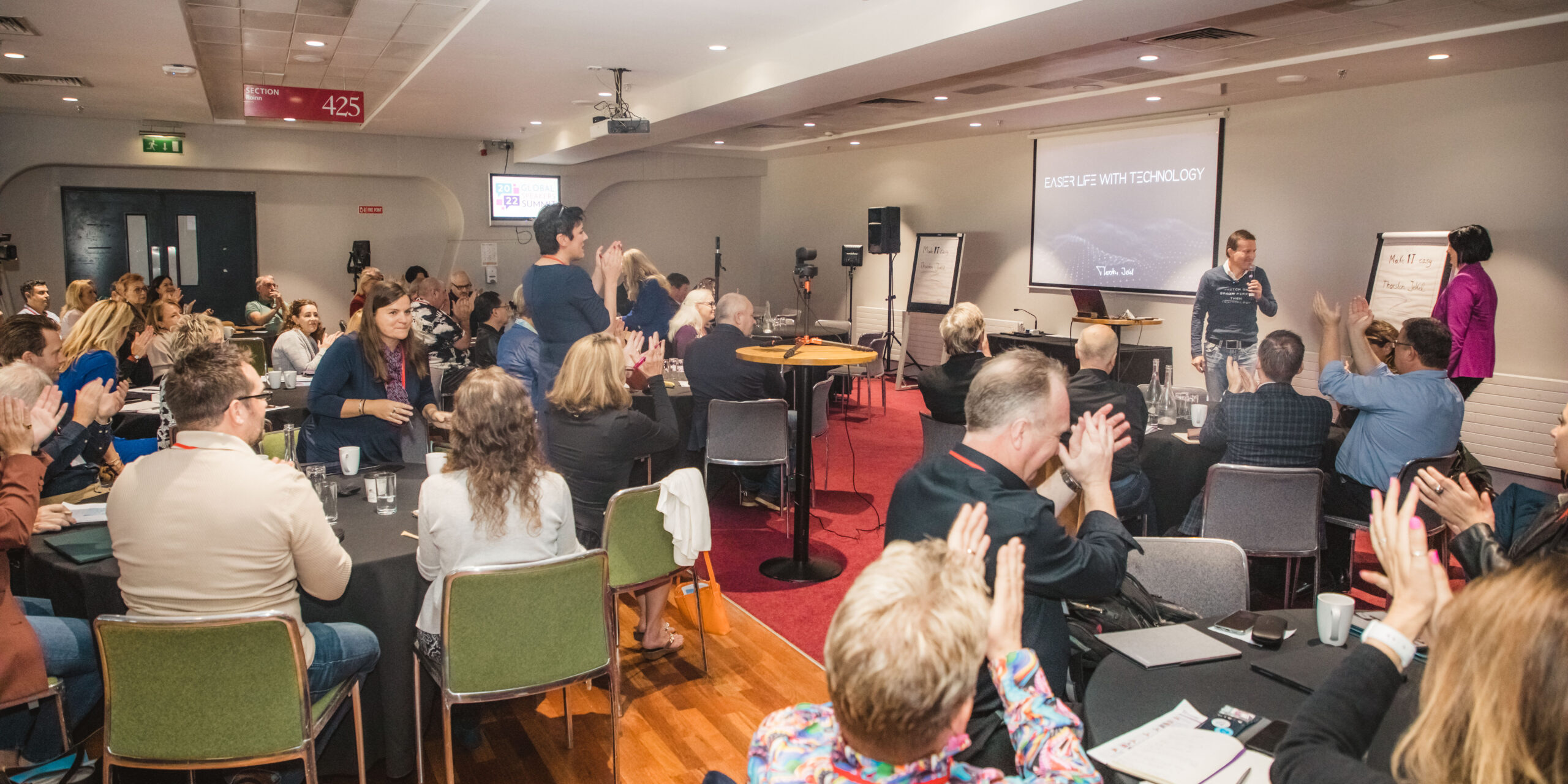
The beginning of a speech is also crucial. If the first few minutes don’t capture the listener’s interest, it will be much harder to regain their attention. Another secret is not to overwhelm the audience. Even very interesting information is hard to take in if there’s too much of it and it’s delivered without pauses. That’s why a good speech isn’t a competition to see who can say the most words. Sometimes a single clear idea that people will remember after the event is more valuable than an hour-long complex lecture.
From Ancient Orators to Modern TED Talks
Public speaking has changed significantly over the past millennia, but the fundamentals have remained the same. In ancient Greece, an orator had to persuade people without a presentation, a projector, or a microphone. Their main tools were their voice, arguments, memory, and the ability to hold the audience’s attention. Today, speakers have far more resources at their disposal. They can use videos, graphics, presentations, interactive polls, and even virtual reality.
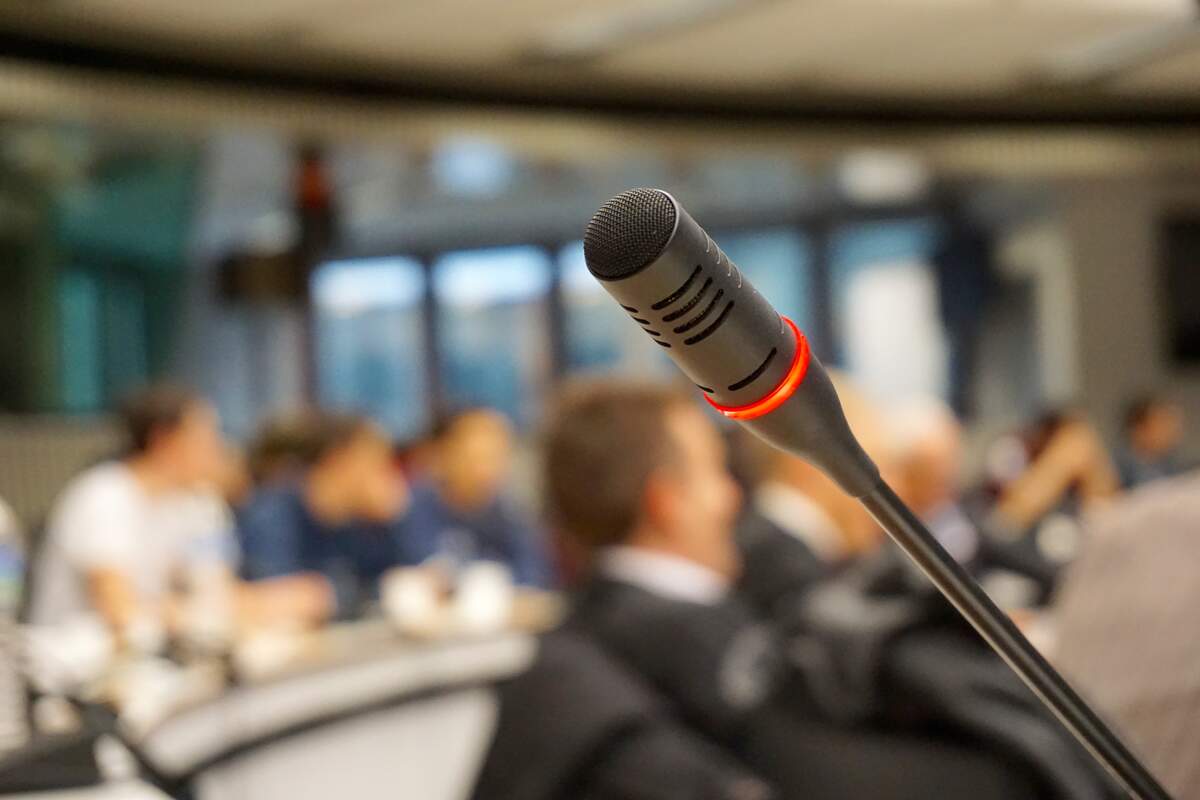
Public speaking has long since moved beyond the stage. People speak to audiences at universities, in offices, in conference rooms, on television, in podcasts, and during live broadcasts. Popular formats like TED Talks hold a special place, where experts and people with interesting experiences try to convey one important idea in a relatively short amount of time. Social media has further transformed the profession. Now, a speaker can address not just hundreds of people in a hall, but thousands or even millions of viewers through a smartphone screen.
Interesting Facts About Public Speaking
Rhetoric has a history stretching back thousands of years. Its systematic study is primarily associated with Ancient Greece, where the ability to speak publicly was an important part of social life.
Aristotle wrote *Rhetoric*. In this work, he described the principles of persuasive speech, which became the foundation for the further development of the art of public speaking.
Ancient Greek and Roman orators practiced regularly. Public speaking was viewed as a skill to be developed, rather than a magical talent that one either has or does not have.
Stage fright is very common. According to Psychology Today, about a quarter of people report a fear of public speaking.
A professional speaker is not necessarily a motivational speaker. This category can include teachers, scholars, business experts, consultants, coaches, and other professionals for whom speaking in front of an audience is part of their job.
Words can change people’s behavior. A public speech can not only convey information but also persuade an audience or motivate them to take specific actions.
How Professional Speaker Day Is Celebrated
There are no specific mandatory traditions associated with this day. Since it is an unofficial date, everyone can celebrate it however they like. One option is to attend a lecture, seminar, or conference. This allows you not only to listen to an experienced speaker but also to observe how they engage with the audience. Another option is to watch a good public speaking performance online. Afterward, you can pay attention to how the speaker begins their speech, where they pause, how they use stories, and how they conclude their presentation.

For those who are afraid of speaking in front of people themselves, this day can be an opportunity to finally give it a try. You don’t have to take the big stage right away. You can start with a short speech in front of friends, colleagues, or a small group. It’s also helpful to record yourself on video. When watching the recording, you often notice things you don’t pick up on during the actual speech: a pace that’s too fast, repeated words, unnecessary movements, or a monotonous tone. And on this day, we can simply thank professional speakers. After all, a good presentation often involves much more work than the audience sees.
How to Overcome Stage Fright
Completely getting rid of stage fright isn’t necessarily the main goal. It’s much more helpful to learn how to manage it. First and foremost, you should know your material well. This doesn’t mean memorizing the entire text word for word. It’s better to understand the logic of the speech and remember the main points. It’s helpful to rehearse out loud. Reading the text silently doesn’t have the same effect as an actual speech, so it’s important to go over the material aloud several times.

You can start with small audiences. Gradually increasing the number of listeners allows you to get used to the situation without feeling overwhelmed. Don’t try to speak perfectly. Even professional speakers may pause, forget a word, or stumble a bit. The audience often reacts to such moments much more calmly than it seems to the person on stage. The most important thing is to think not only about yourself but also about your listeners. If a speaker focuses on how the audience will benefit, it’s easier for them to stop constantly worrying about their own nerves.
Why Professional Speaker Day Is Important
In a world where information is constantly growing, the ability to explain it simply has become especially valuable. A good speaker can take a complex topic and make it understandable to people without specialized knowledge. They can help the audience see a problem from a different perspective, teach a new skill, or simply inspire change. This applies not only to large conferences. We constantly speak in front of others—during job interviews, work meetings, training sessions, presentations, and even everyday conversations.
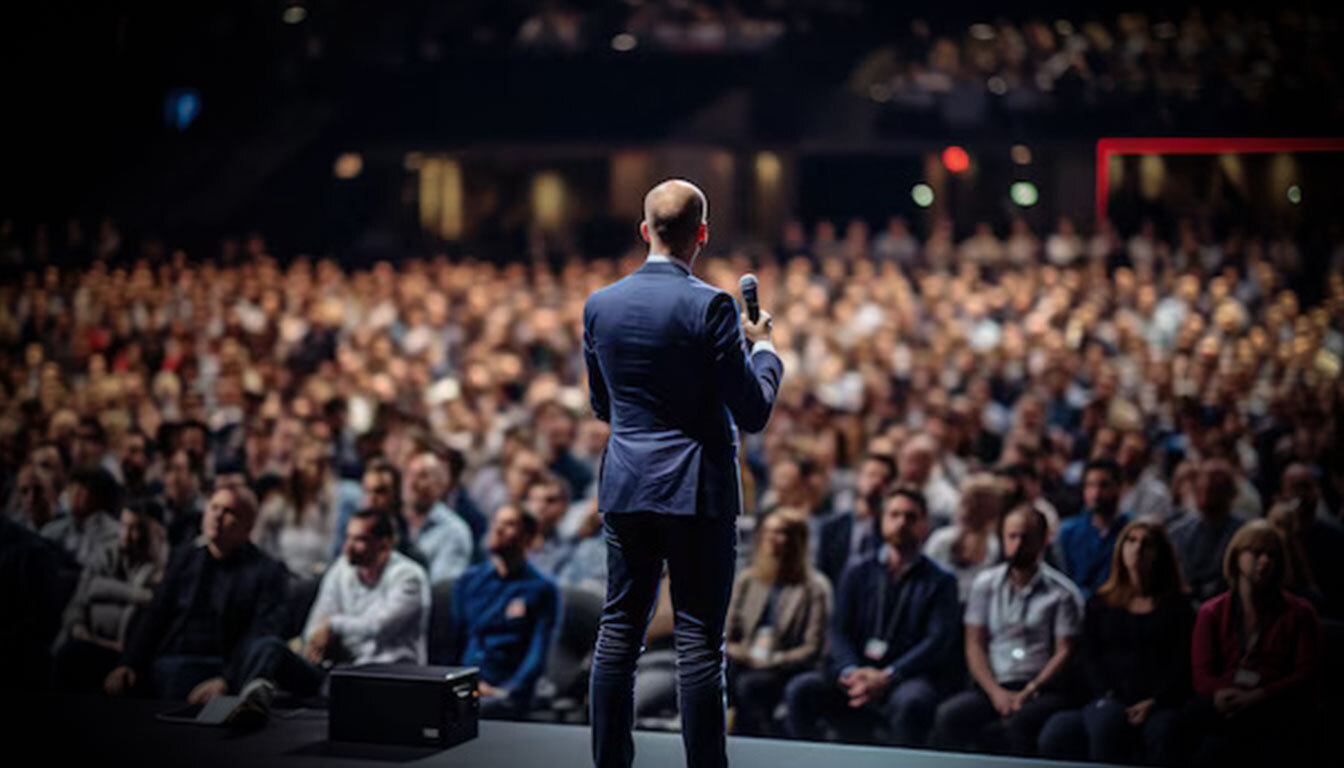
That’s why public speaking skills are useful far beyond just those who work professionally on stage. Professional Speaker Day also reminds us of a simple truth: the ability to speak doesn’t necessarily mean the ability to be heard. A good speech requires substance, preparation, clear language, and a connection with the audience. Sometimes, a single well-delivered speech can truly stay with someone for years.
What You Can Do on August 7
On August 7, you can congratulate a professional speaker, teacher, lecturer, or anyone who’s good at explaining complex ideas. You can watch a speech by a well-known orator and pay attention not only to their words but also to their delivery.
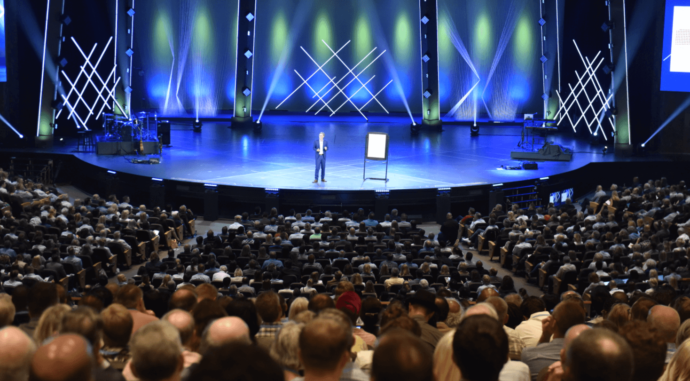
You can try recording a short video yourself on a topic you’re knowledgeable about. Not for social media or for publication—just for practice. You can attend a lecture or training session, and afterward, think about which idea stuck with you the most. Or you can make it even simpler—share something new with someone that you’ve learned yourself. After all, that’s the foundation of the speaking profession: knowing something important and being able to convey that knowledge to others.
Key Facts About Professional Speaker Day
When: August 7, 2026.
Name: Professional Speakers Day.
Status: unofficial thematic date.
Who is celebrated: professional speakers, lecturers, teachers, trainers, hosts, experts, and others who regularly speak in front of an audience.
Main Idea: To celebrate the power of the spoken word and the people who educate, inform, persuade, and motivate others.
Historical roots of the profession: Ancient Greece and Rome, where the art of public speaking became an important part of rhetoric and public life.

Professional Speaker Day is a good opportunity to reflect on just how powerfully words can influence people. They can clarify what seemed unclear, convince someone of the importance of a particular idea, or simply give a person a new perspective on something familiar. And perhaps the best way to celebrate this day is not just to listen to others, but to finally find the courage to speak up yourself.


