
The U.S. Reveals Details of the Agreement on the Strait of Hormuz — WP
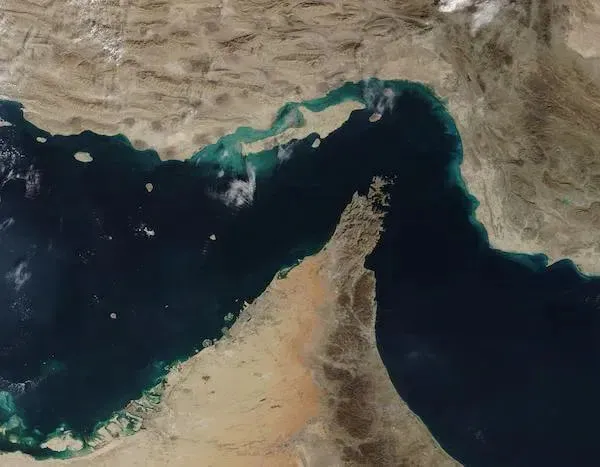
The temporary routes through the Strait of Hormuz, agreed upon as part of the arrangement between Iran and Oman, will not require additional permits, payments, or fees. This was stated by a U.S. official.
At the same time, officials in Tehran emphasized that this agreement does not mean the automatic resumption of full-scale operation of the waterway.
“Any temporary routes will be unimpeded—that is, without any permits or approvals, and without fees or charges,” the U.S. official told the newspaper.
“The Strait of Hormuz is an international waterway, and neither party controls the shipping lanes or the ability to pass through them,” he noted.
The day before, Iran stated that an agreement with Oman regarding the Strait of Hormuz was “in its final stages.” However, the agreement will not lead to the automatic restoration of the waterway’s operation, said Iranian Deputy Foreign Minister Kazem Garibabadi.
Under the proposed agreement, temporary routes near the Iranian island of Larak in the Strait of Hormuz and through Omani territorial waters will be closed.
Part of the new corridors for inbound and outbound shipping will pass through Iranian waters, marking a departure from the decades-old system under which commercial vessels sailed through Omani waters, Garibabadi said.
According to Garibabadi, the proposed route will initially operate for two to four months, and possibly longer. Its implementation will require a separate decision by Iran’s top leadership.
This was reported by The Washington Post.
Traffic through the Strait of Hormuz has once again come to a near standstill.
In addition, the U.S. military struck the vessel Touska, which was flying the Iranian flag and attempting to pass through the Strait of Hormuz despite the blockade.
Recall that Israeli Prime Minister Benjamin Netanyahu does not consider the war with Iran to be over.
Official Tehran refused to participate in the second round of peace talks with the United States, which were to take place in Islamabad.
Iran rejected Trump’s claims regarding the transfer of uranium to the U.S. and accused him of manipulation.


