
The Guardian: ICE Forced-Fed a Kurdish Asylum Seeker in the U.S.
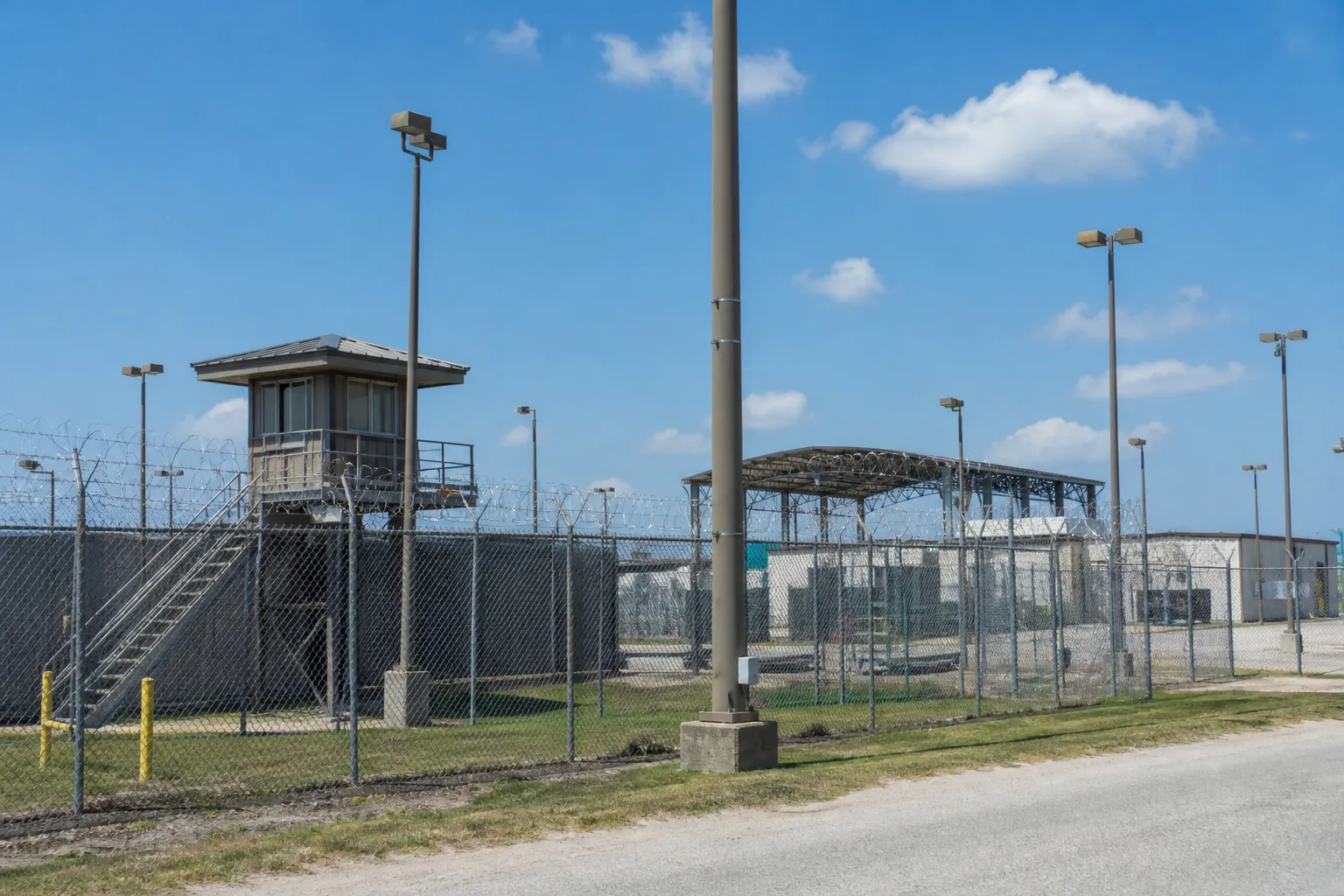
According to an investigation by The Guardian, U.S. Immigration and Customs Enforcement (ICE) force-fed Kurdish filmmaker and asylum seeker Gabar Choli for nearly eight months. He went on a hunger strike to demand better detention conditions and a resolution to his immigration case.
Choli, 40, began his hunger strike on March 24, 2025, while being held at the Desert View Annex detention center in California, according to court documents. He was subsequently transferred to the privately operated Port Isabel facility in Texas, ostensibly to receive higher-level medical care, and placed in a medical isolation cell.
On May 23, 2025, ICE and the U.S. Attorney’s Office for the Southern District of Texas asked the court for a second time to authorize forced medical procedures, including tube feeding. The following day, Federal Judge Rolando Olvera granted the motion without hearing from Choli. According to the case file, the man did not have an attorney during these proceedings, and the judge denied his request for a public defender, citing the absence of such a guarantee in civil cases.
For more breaking news, follow the UA.News Telegram channel.
Choli told The Guardian that guards restrained him, tied his hands and feet, and took him to the medical unit. There, he said, medical staff inserted a tube through his nose and throat and administered a nutritional solution; sometimes these procedures were performed twice a day. He also reported injuries to his nose and throat, stomach problems, damage to his esophagus, and psychological consequences. The publication notes that some details of his account remain unconfirmed, as many court documents are classified, and the facility’s medical staff did not respond to journalists’ inquiries.
In court documents, ICE stated that a social worker at the facility acknowledged that Choli was acting of his own free will. At the same time, the agency told the court that his condition posed a health risk and that his hunger strike could threaten order and security at the facility.
A spokesperson for the U.S. Department of Homeland Security told The Guardian that ICE respects a person’s right to refuse treatment when appropriate, but may ask a court to authorize medical intervention in cases of risk of death, irreversible harm to health, or on other legal or operational grounds. Dr. Chanel Diaz, who reviewed the available court documents, stated that the described actions could likely constitute torture. According to the publication’s sources at DHS, between January 2025 and August 4, 2026, ICE obtained court orders for the forced treatment of 18 hunger strikers.


