
Tinubu urges faster rollout of CNG transport in Nigeria — Premium Times Nigeria
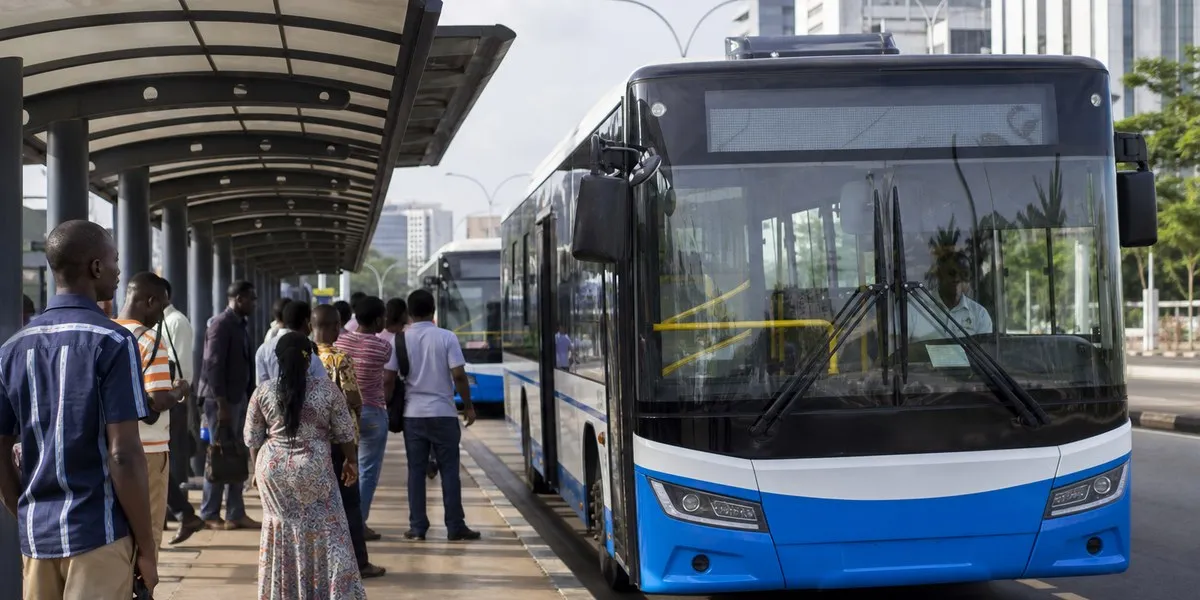
Nigerian President Bola Tinubu called on state authorities to accelerate the rollout of compressed natural gas (CNG) transport to reduce travel costs for passengers. According to Premium Times Nigeria, the federal and state governments aim to ensure a noticeable reduction in transport fares starting October 1.
Affordable transport program
Tinubu said that following a meeting with the governors of the 36 states on August 27, a committee was established to implement the National CNG Affordable Transport Programme. It is chaired by Governor Abdulrahman Abdulrazaq. The committee is to identify priority transport corridors, necessary measures and infrastructure.
According to the president, disruptions in global energy supplies are putting pressure on petrol and diesel prices and increasing transport costs. He said that Nigeria cannot control the situation on global energy markets, but as a gas-rich country it can reduce such dependence. Tinubu also opposed a return to petrol subsidies, which, he said, had cost the country trillions of naira.
More current news is available on the UA.News Telegram channel Telegram.
Fares and infrastructure
According to figures cited by Tinubu, in Borno State, travel on CNG and electric transport costs between 50 and 100 naira on routes where commercial carriers charge between 300 and 600 naira. In Kaduna State, 100 CNG buses carried passengers free of charge on major routes and transported about 3.2 million people in their first year, saving them more than 3.5 billion naira.
The president also mentioned a reduction in the fare between Lagos and Ibadan from about 8,000 to 3,200 naira after CNG buses were launched in Oyo State. In Adamawa, fares on transport powered by alternative energy sources fell by up to 50%, he said, while in Enugu, the cost of travel on the Enugu–Nsukka route declined from 2,500 to 1,500 naira.
Tinubu said that more than 120,000 vehicles in the country have already been converted to CNG. More than 400 certified conversion centers and over 90 CNG filling stations are also operating. The federal government, he said, will continue expanding infrastructure, vehicle conversion capacity and access to CNG.


