
Trump Identified a Moment That Could Change the Course of the War with Iran
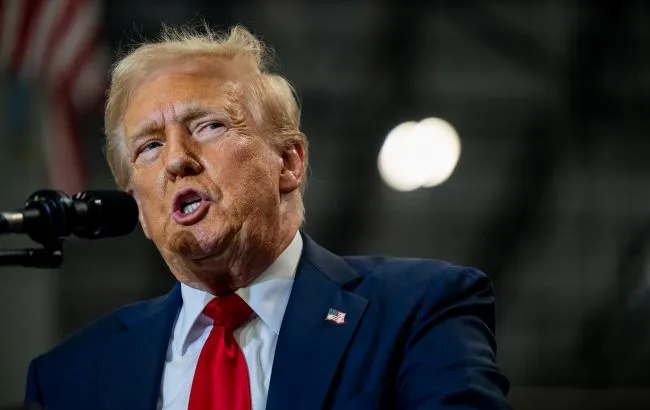
U.S. President Donald Trump stated that he is nearing an important decision regarding further actions against Iran. According to him, Washington may resume large-scale military operations or seek another path to end the conflict. At the same time, U.S. troops will remain in the Middle East at a level sufficient for a possible resumption of hostilities.
U.S. President Donald Trump stated that he is currently facing one of the key decisions regarding the war with Iran. According to Trump, the choice is between a new large-scale military operation against Iran and another way to end the conflict. “I have an important decision to make. Do I want to intervene and destroy them [the Iranian regime], or not? This is an important decision. Anything could happen to me,” said the U.S. president.
Trump did not specify exactly when he might announce his decision. He also declined to say whether he would do so before or after the U.S. midterm elections.
Trump Will Speak with Gulf State Leaders
Before deciding on his next steps, Trump plans to discuss the situation with the leaders of six Gulf states. The meeting is scheduled to take place in New York during the UN General Assembly. Representatives from Saudi Arabia, the United Arab Emirates, Qatar, Bahrain, Kuwait, and Oman will participate.
Trump explained that he wants to hear the position of the countries in the region before making further decisions. “I want to find out where they stand and how they’re doing. We’ve always cared deeply about them,” the U.S. president said.
For the Gulf states, the war has direct consequences. The hostilities have caused problems with oil and gas exports, and some countries in the region have also been targeted by Iranian attacks. That is why their stance is crucial for Washington’s future strategy. Axios notes that as early as August, Trump had ruled out the possibility of new large-scale strikes, in part due to Saudi Arabia’s and Qatar’s fears of potential Iranian attacks on energy infrastructure.
The U.S. will maintain its military presence
Despite the pause in large-scale combat operations, the U.S. has no plans to scale back its military presence in the region. According to U.S. officials, Trump and U.S. Secretary of Defense Pete Hagset have instructed the military to maintain the necessary level of forces in the Middle East through the end of 2026.
This is necessary so that the U.S. military can act quickly if hostilities with Iran resume. In other words, Washington is leaving itself the option to transition from the current lull to a new military operation without having to fully redeploy forces from scratch. The issue of military presence is particularly important due to the situation surrounding the Strait of Hormuz. A significant portion of the world’s maritime oil and gas shipments pass through the strait, so any serious escalation in the region could affect not only the countries of the Middle East but also global energy markets.
Trump Is Satisfied with the Naval Blockade
Separately, Trump spoke about the U.S. naval blockade of Iran. He stated that it has prevented Tehran from resuming normal oil exports. “Since we began the blockade, not a single ship has entered Iran. They tried, and we sank them,” said the U.S. president. According to Trump, economic pressure remains one of the key levers of influence over Iran.
He had previously stated that Washington is trying to apply pressure on the Iranian economy rather than immediately resorting to a large-scale military operation. In August, Trump said that the U.S. was engaged in negotiations with Tehran, though he did not describe them as full-fledged. At the same time, Washington was also considering military options. In late August, Axios reported that Trump and his advisers were discussing the possibility of limited strikes against Iranian capabilities in the Strait of Hormuz. At that time, no final decision had been made regarding such a plan.
Tehran Continues Contacts with Washington
Despite the military standoff, contacts between the U.S. and Iran are continuing. Trump stated that representatives from Tehran are in direct contact with Washington. According to him, the Iranian side still wants to reach an agreement. This is an important point, as the current situation is not limited to preparations for a new military operation. The U.S. is simultaneously maintaining military pressure while keeping the diplomatic channel open.
Previously, negotiations on a possible end to the conflict involved Oman and other mediators. One of the main issues remained the situation regarding shipping through the Strait of Hormuz.
What’s Next
The next important step will be Trump’s meeting with representatives of the six Persian Gulf countries during the UN General Assembly. Following these talks, Washington may decide on its future strategy toward Iran. It could involve continuing pressure and negotiations or a return to larger-scale military action.
Trump has not yet announced a final decision. At the same time, the U.S. is maintaining its military presence in the region, and the White House is simultaneously working on a plan for the future situation regarding Iran. Thus, Washington is currently keeping two options open—diplomatic and military. Trump’s final decision will determine whether the current lull will continue or whether the U.S. will resume large-scale military operations against Iran. He spoke about this in an interview with Axios.
Iraqi Prime Minister Ali Faleh al-Zaidi will visit the U.S. next week, where he will participate in the UN General Assembly and meet with U.S. President Donald Trump.


