
Nearly one million adults in Berlin cannot vote due to lack of citizenship
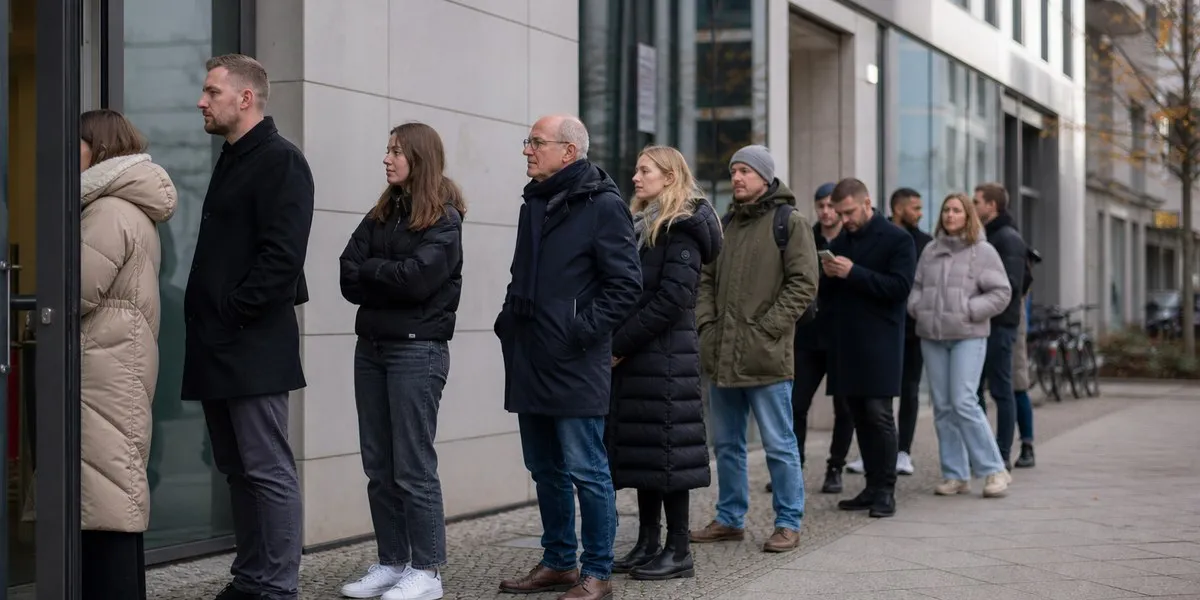
In Berlin, Germany, around 976,000 adult residents will not be able to vote in the elections on September 20 because they do not have German citizenship. This is approximately one quarter of the capital's population of 3.9 million people, Deutsche Welle English reports.
The number of adult city residents without voting rights has doubled since 2011. The upcoming elections have the status of elections to the parliament of the federal state, as Berlin is one of Germany's 16 states. In such elections, voting rights are more restricted than at the municipal level.
Citizens of other European Union countries can vote in municipal elections in Berlin. At the same time, these elections determine the authorities in individual city districts, and their political influence is limited.
Symbolic vote in Mitte
Stefanie Remlinger, the Green Party head of the Mitte district, organized a symbolic vote for residents without German citizenship. According to her, people from 170 countries live in the district. Of Mitte's 365,000 residents, about 135,000 adults do not have German citizenship.
More current news is available on the UA.News Telegram channel Telegram.
Participants in the initiative were offered the opportunity to vote at 15 polling stations over two weeks in early September. The aim of the campaign is to draw attention to the issue of voting rights for everyone. Remlinger expected that only a few hundred people would take part in the symbolic vote.
Citizenship as a path to voting rights
Egyptian software developer Abdu Tawik, who has lived in Berlin for seven years, said he is dissatisfied with the work of the city authorities but cannot influence changes to it. He mentioned, in particular, cuts to kindergartens and German-language courses, which, he said, directly affect him.
Remlinger believes that a more accessible path to full political participation is simplifying the acquisition of German citizenship. Last year, the government of Chancellor Friedrich Merz abolished the expedited citizenship procedure introduced under Olaf Scholz after three years of residence, but retained the option to apply after five years of residence. In 2025, around 39,000 people were naturalized in Berlin — 17,000 more than in 2024.


