
Traces of human processing of gomphotheres found in Chile 13,000 years ago — Live Science
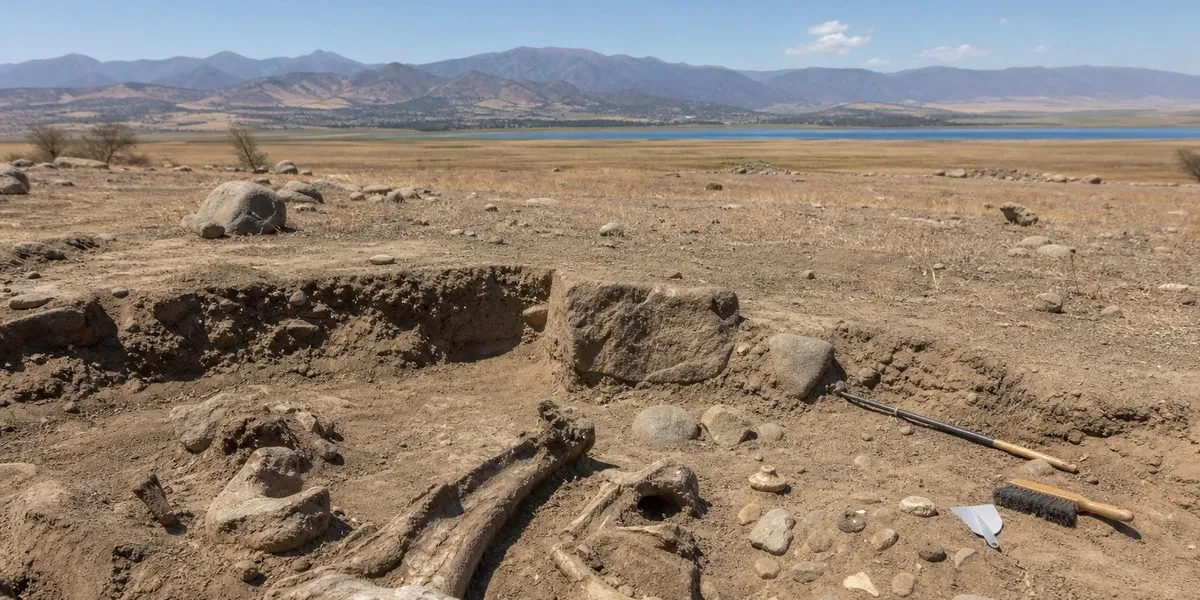
In the basin of the ancient Tagua Tagua Lake in central Chile, archaeologists have discovered bones of extinct tusked mammals bearing traces of processing, as well as stone tools dating back 12,000 to 13,000 years. The finds indicate that ancient people killed and butchered these animals on the lakeshore.
Bones with cut marks
As Live Science reports, excavations in the lake basin have continued for the past two years. Researchers found a substantial concentration of megafauna remains and stone tools.
Several gomphothere bones bear distinct cut marks. Gomphotheres are an extinct group of tusked mammals related to modern elephants. Such marks indicate that ancient people processed the animals’ carcasses directly at the site.
More current news is available on the UA.News Telegram channel Telegram.
Evidence of early settlement
The dating of the bones and artifacts places them at approximately 12,000 to 13,000 years ago. This adds to evidence of the early settlement of southern South America by hunter-gatherers who repeatedly visited the shores of the ancient lake.
The oldest confirmed archaeological site in South America is considered to be Monte Verde in Chile, which is about 14,500 years old. Other early sites include Huaca Prieta in Peru and Arroyo Seco in Argentina, which are approximately 14,000 years old.
Previously, remains of extinct American horses and deer species were found in the Tagua Tagua basin. Some of these bones also showed cut marks and evidence of fire exposure, which is associated with food preparation. After fieldwork is completed, the team will analyze sediment samples and the recovered remains to more precisely determine when people lived in this area and find out how they killed, processed, and consumed animals.




