
In Ghana, climate risks called a challenge for peacebuilding — MyJoyOnline
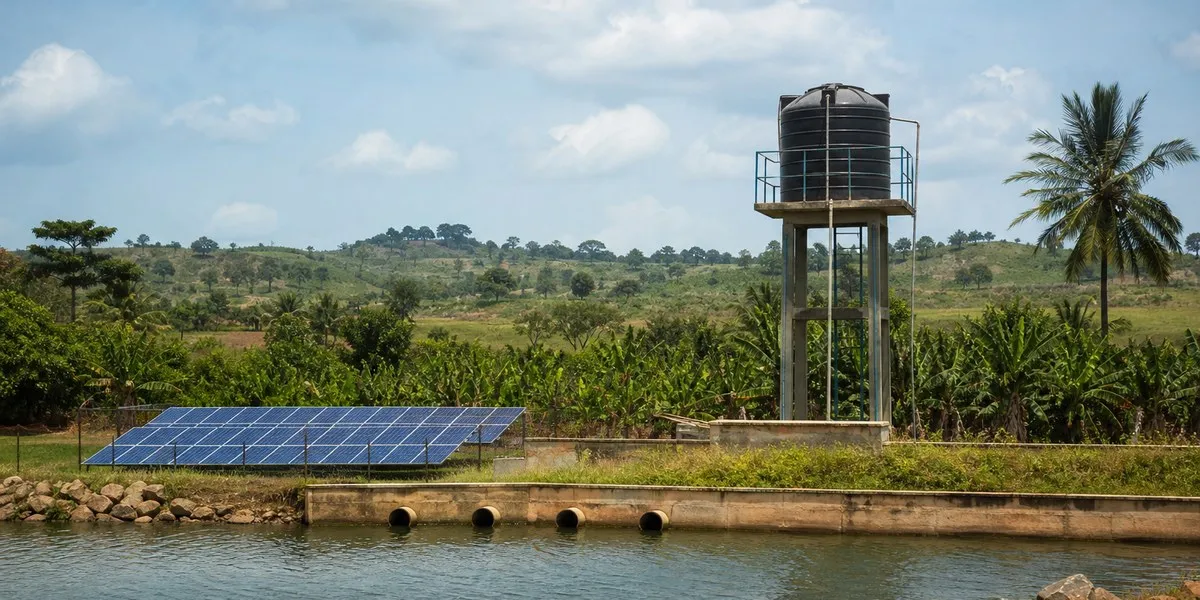
In Ghana, MyJoyOnline drew attention to the link between climate change, access to resources and community resilience. Droughts, floods, declining harvests and water shortages directly affect people’s livelihoods, food prices, migration and stability in communities.
Climate change does not cause conflicts on its own, but in places where tensions already exist, competition for land, water and food can make their resolution more difficult. The article’s authors note that conflict prevention has traditionally relied on diplomacy, political negotiations and security institutions, but lasting stability also depends on managing the resources people need every day.
Water and food
The article pays particular attention to water resources. Rivers, lakes and groundwater cross state borders, while agriculture, industry and households depend on reliable water supplies. At the same time, competition for water does not necessarily have to develop into confrontation: effective agreements on shared resources can encourage cooperation between countries.
More current news is available on the UA.News Telegram channel Telegram.
Extreme weather events can also disrupt agricultural production, reduce household incomes and raise food prices. Communities with limited resources have fewer opportunities to cope with such shocks. The displacement of people due to environmental or economic hardships creates additional pressure, as the communities receiving them may face growing needs for housing, jobs and public services.
Preventing crises
The article emphasizes that the link between climate and security creates not only risks but also opportunities for cooperation. Governments can work together on water resource management, climate-resilient agriculture, renewable energy and infrastructure. Such initiatives can protect livelihoods and create incentives for cross-border interaction.
The authors call for peacebuilding to become more preventive: governments and international organizations should identify vulnerabilities before they grow into crises, while local communities should participate in decisions concerning resources. At the same time, the private sector can invest in resilient infrastructure, clean energy and sustainable agricultural practices.


