
Ghana urged to assess GoldBod by protection of communities and environment — MyJoyOnline
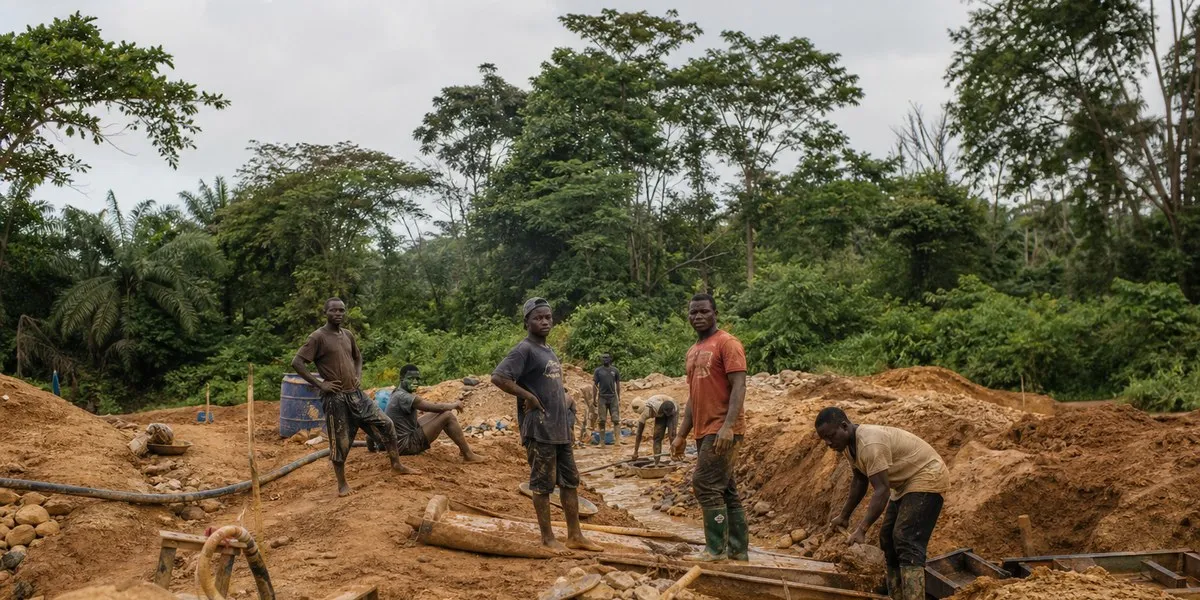
In Ghana, an opinion column calls for GoldBod’s work to be assessed not only by gold trade indicators, but also by occupational safety, the condition of rivers and land, and the well-being of communities in mining areas. This was reported by MyJoyOnline in an article by Dr. Selorm Awumey.
Gold control and traceability
The author believes that GoldBod can help the country retain a larger share of the value of its natural resources, strengthen oversight of gold trade, and reduce illegal activity. In his view, responsible sourcing, traceability of gold’s origin, and the formalization of artisanal and small-scale mining should contribute to this.
The column notes that gold mining is an important source of income for many rural families where formal employment is scarce. According to the author, the aim of reforms should not be to deprive prospectors of their earnings, but to create safer, legal, and more beneficial working conditions for local residents.
More current news is available on the UA.News Telegram channel Telegram.
Risks to people and nature
Poorly managed mining, the author assesses, can expose workers and residents of nearby areas to dust, toxic chemicals, hazardous pits, and contaminated water. It can also put pressure on farms, streams, and local infrastructure.
The author points out that deforestation and pollution of waterways affect not only mining areas, but also agriculture, fishing, biodiversity, and households’ access to water. He describes the galamsey problem not only as a law enforcement issue, but also as an issue of employment, governance, and development.
In Awumey’s view, GoldBod’s effectiveness should be measured by practical changes: improved safety for prospectors, water protection, land restoration, fewer opportunities for illegal and destructive mining, and better living conditions in mining communities.




