
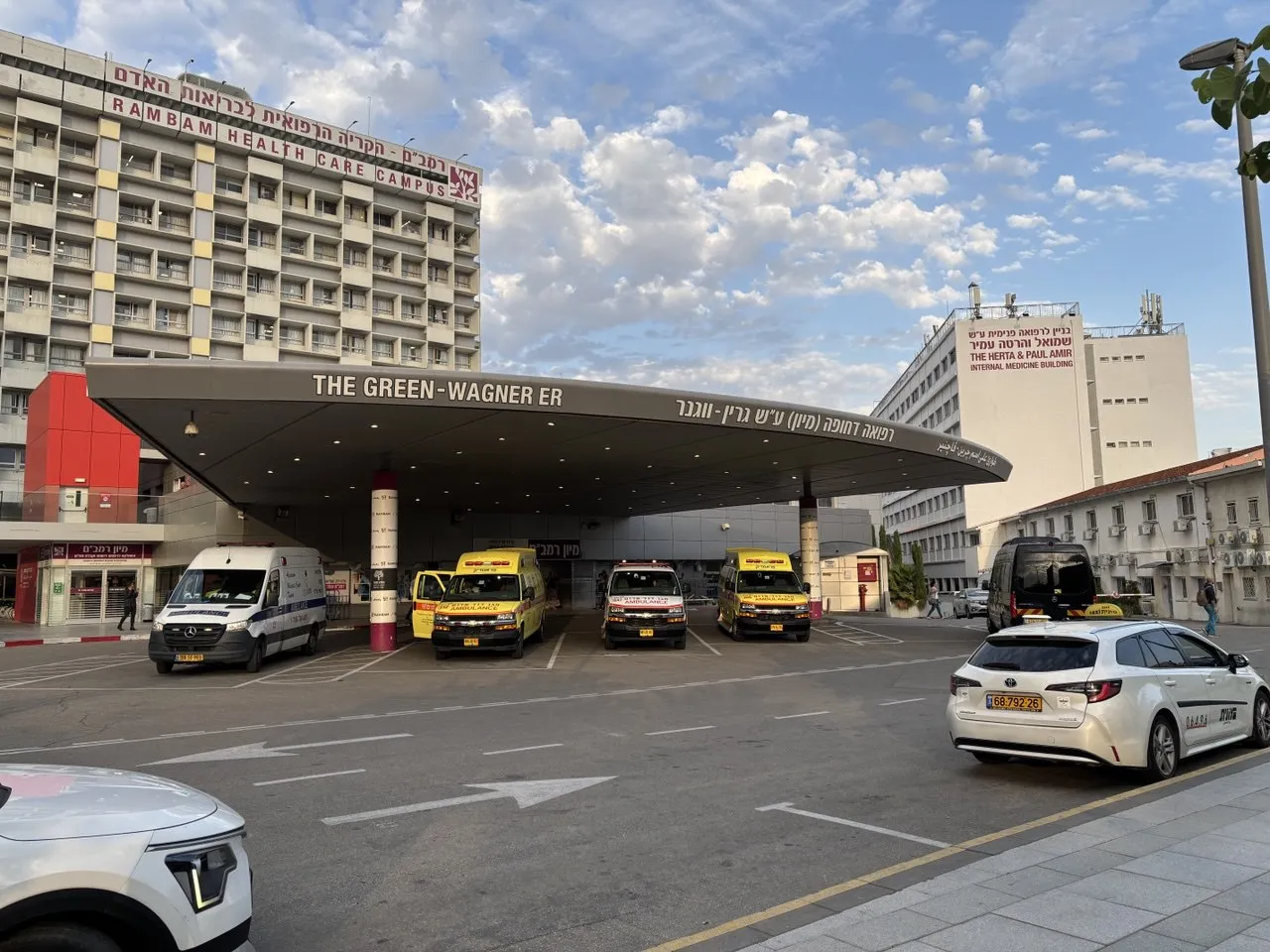
In Israel, ahead of a potential new war, several large hospitals have begun operating underground, where departments have long been established. The Ministry of Health has announced the highest level of readiness for medical facilities.
A few months ago, a UA.News journalist visited one of these facilities in Haifa. This is an underground hospital that treats both civilians and military personnel and cannot stop operating even during active hostilities.
Safety in the design
The Rambam Medical Centre in Haifa – the largest public hospital in northern Israel – has buildings dating back to 1888 as well as more modern structures. The main building of the centre was constructed in the 1970s, built with the consideration that Lebanon, located 30–40 kilometres away, at the time did not possess powerful weaponry.
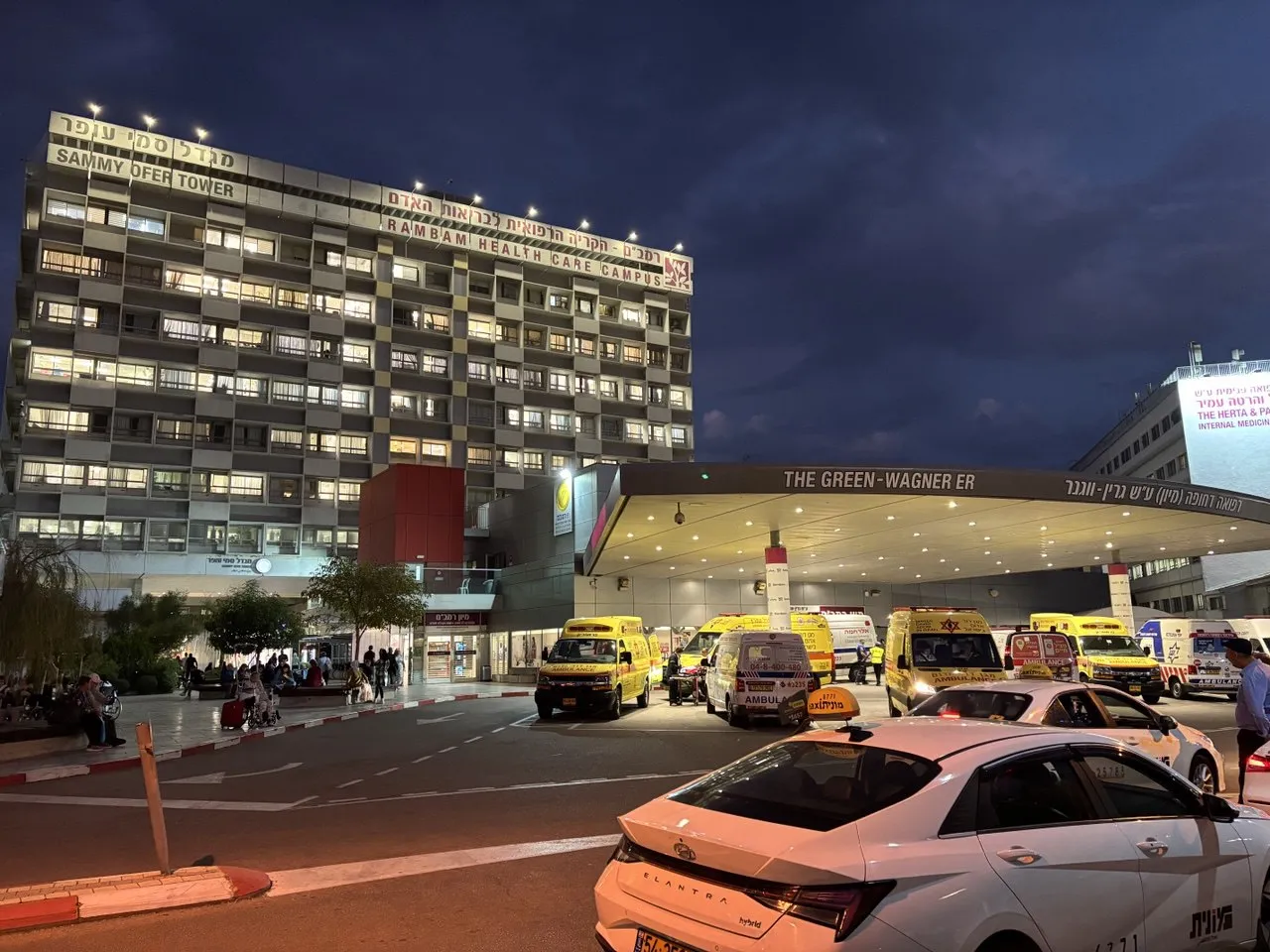
Part of the first floor, which houses the intensive care unit, can be sealed off from the outside world and from potential terrorist intrusion with massive metal doors that are locked tightly during an enemy attack. They somewhat resemble the doors installed at central metro stations in Kyiv.
As the head physician of this department, who, incidentally, is originally from Lviv, explained to us, there is a clear protocol carefully practised by all staff. In times of danger, both doctors and patients, as well as visitors, have a certain number of minutes to reach the part of the building that is sealed off by the massive doors. Signposts on the walls of the facility indicate exactly where to go.
The doors are locked from the inside, and until a signal is received from the military confirming the absence of threat, no one is allowed to open them. Even if colleagues or relatives are left on the other side.
The sealed-off department is used both in the event of a direct enemy attack and during air raids. The walls are designed to withstand several powerful blows.
Safety with today’s challenges in mind
Over the years, it has become evident that Israel’s enemies are capable not of just two or three strikes but of carrying out massive attacks with more precise weapons. The Rambam Medical Centre building may not withstand such attacks.
After the Second Lebanon War in 2006, when Haifa came under intensive rocket fire and it became clear that ordinary medical facilities were too vulnerable, the centre’s management decided to petition the authorities for the creation of underground departments. These would allow patients to be quickly evacuated from above-ground wards while simultaneously continuing to accept the wounded and perform urgent operations without interruption.
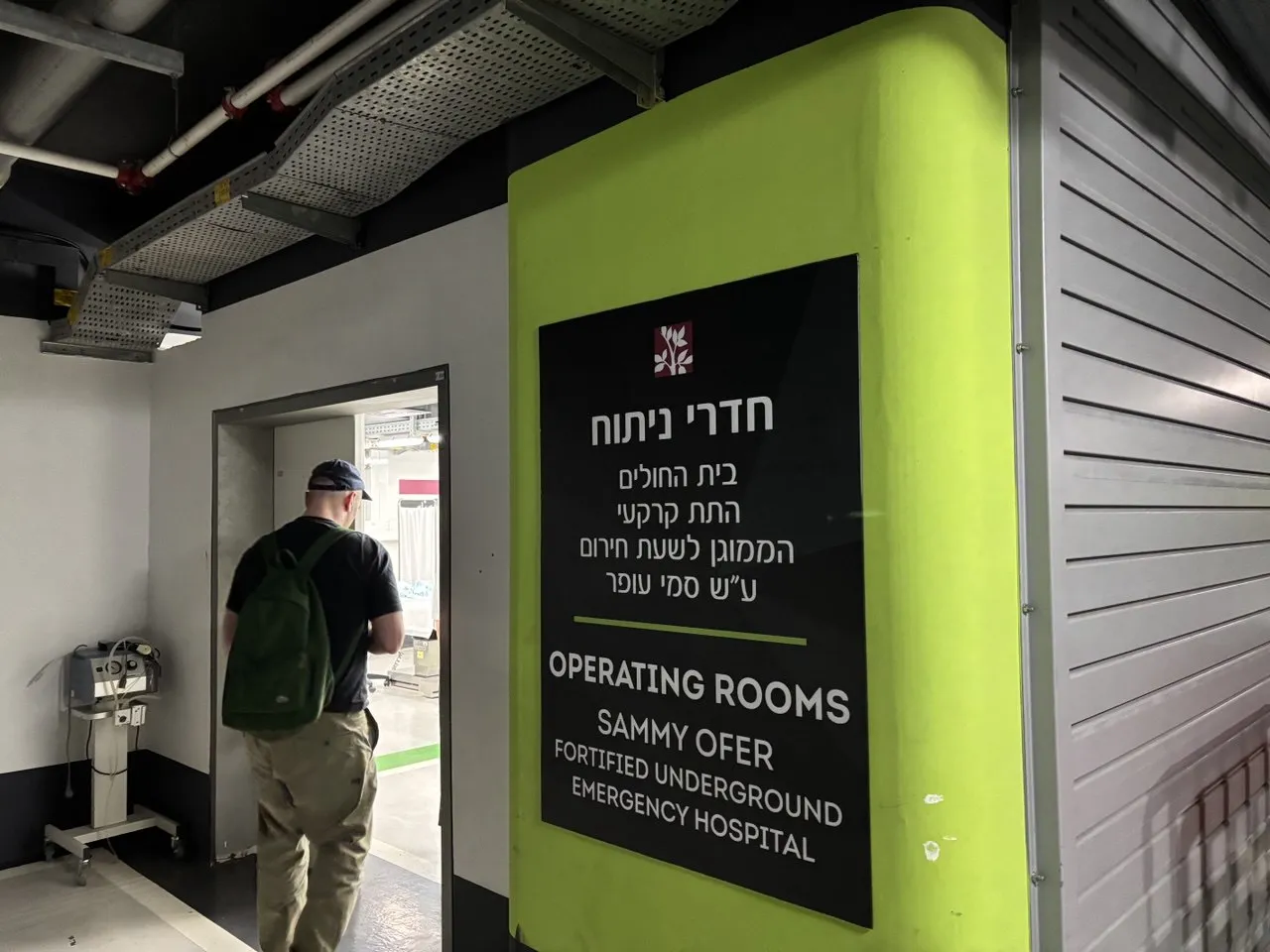
According to representatives of the medical centre, it took several years to approve the project and secure the budget, but they did obtain the necessary funding of several million dollars. The project was developed with the possibility of powerful rocket attacks, chemical, or biological threats in mind.
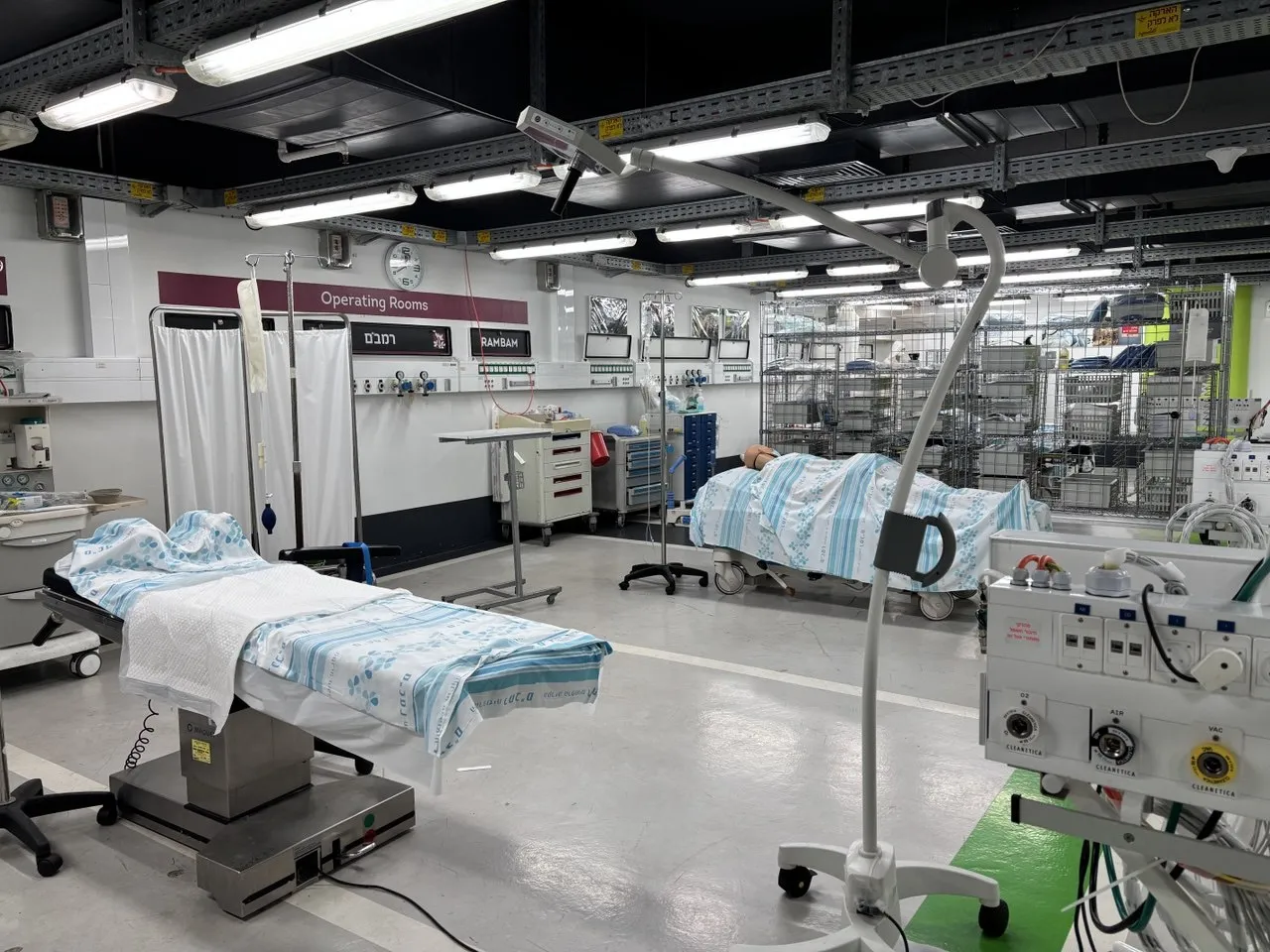
The underground facilities of the hospital are located on several levels beneath the parking area, which can quickly be converted into a full-fledged hospital with thousands of beds and all the necessary infrastructure.
Most of the allocated funds went towards installing essential utilities, including a powerful ventilation system and uninterrupted power supplies. The hospital underground has autonomous water, electricity, and oxygen supplies, as well as stockpiles sufficient for several days without external connections. About $2 million was spent on equipping the underground parking area next to the main Rambam building.
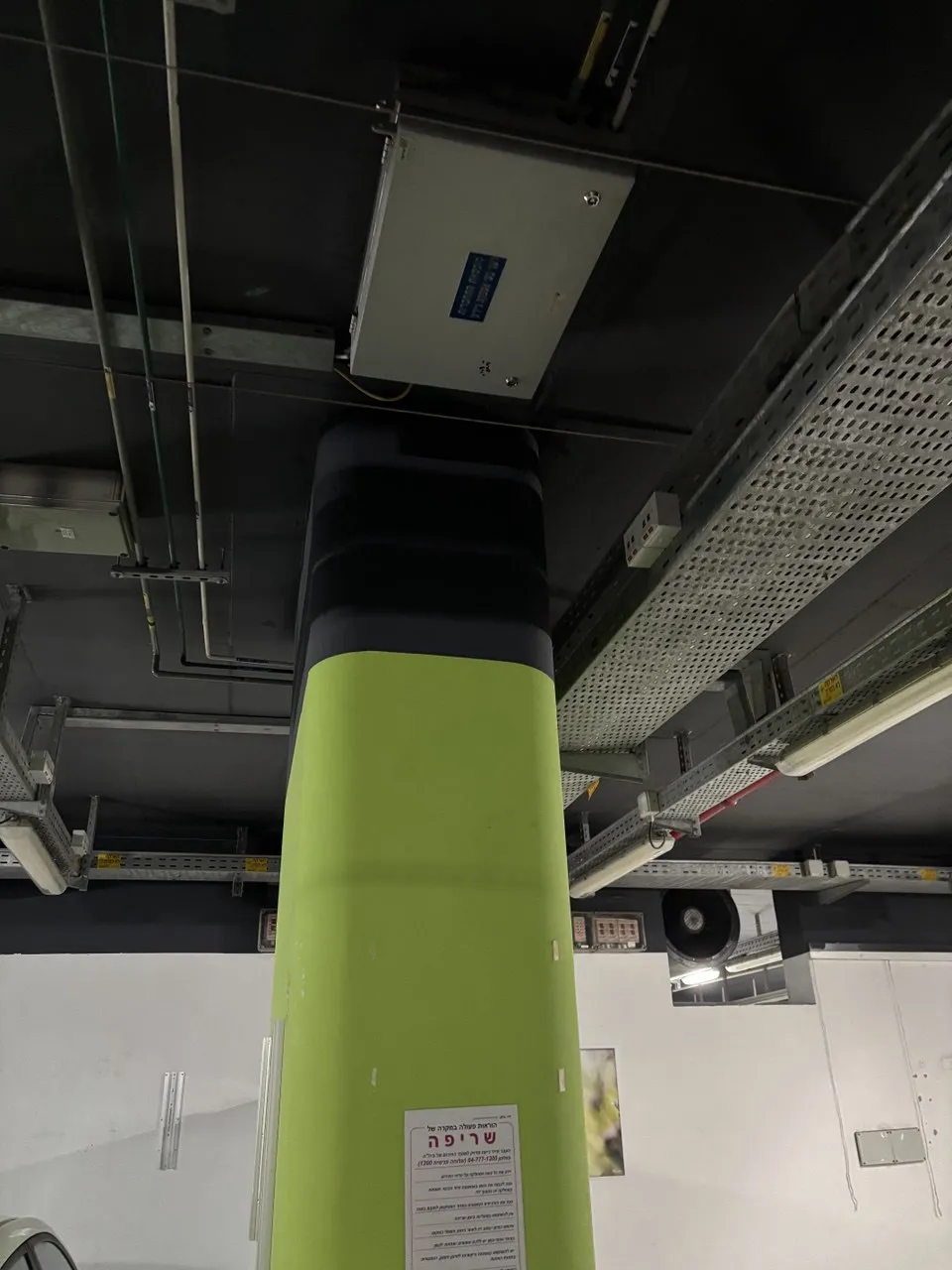
Parking spaces were transformed into patient wards. To make staying underground more comfortable than in a bare space, the ceiling, walls, and even the floor of the parking area are covered with special material. The floor is comfortable to sit on.
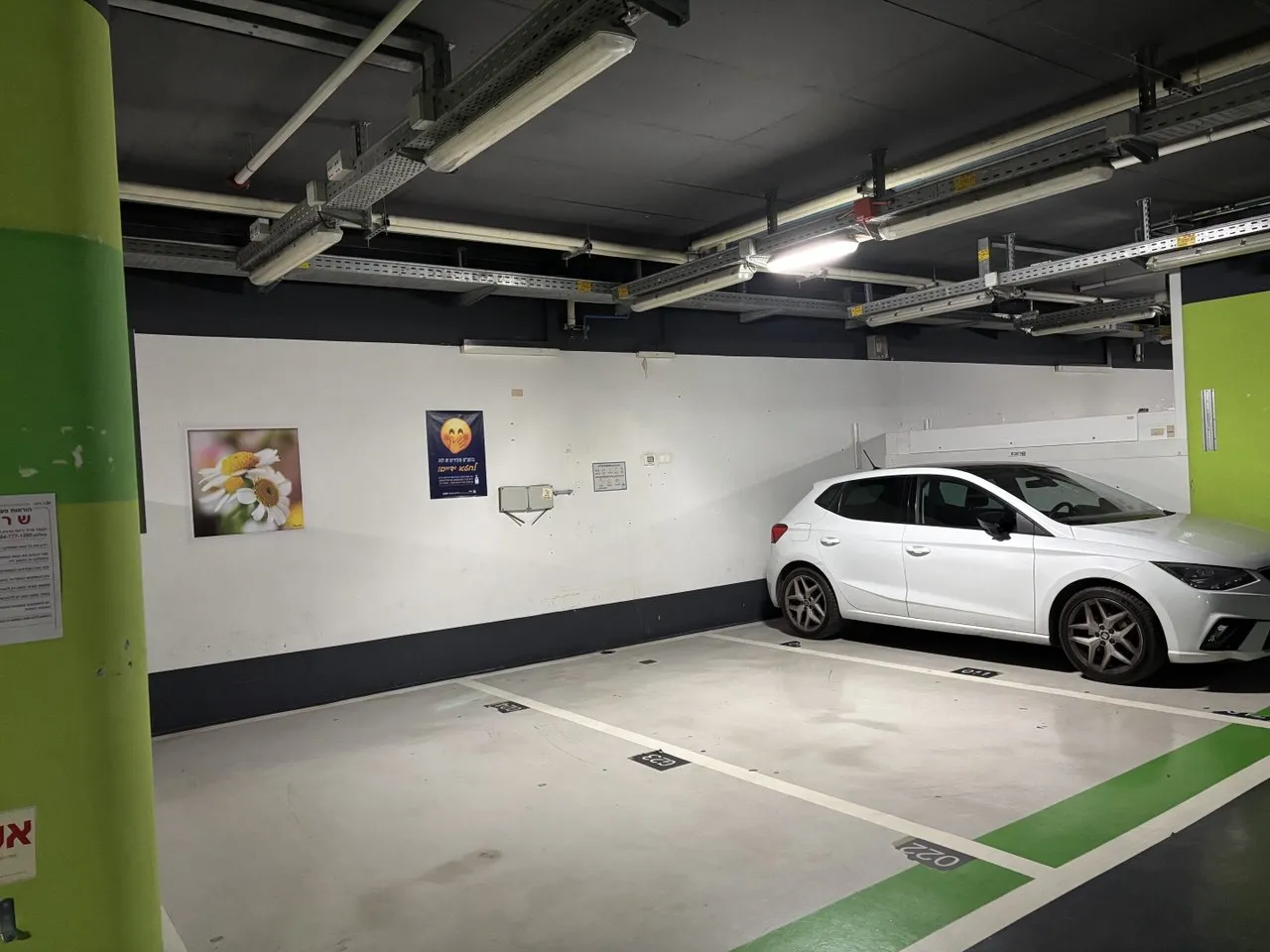
On three parking levels, more than 2,000 patient beds can be accommodated simultaneously. The facility houses intensive care wards, operating theatres, a maternity department, a dialysis unit, and others.
A separate operating theatre and intensive care unit are also established. In case of an emergency, bedridden patients are lowered on a service lift together with their beds. No transfers are needed. The equipment, if required, is also pre-lowered from above-ground buildings.
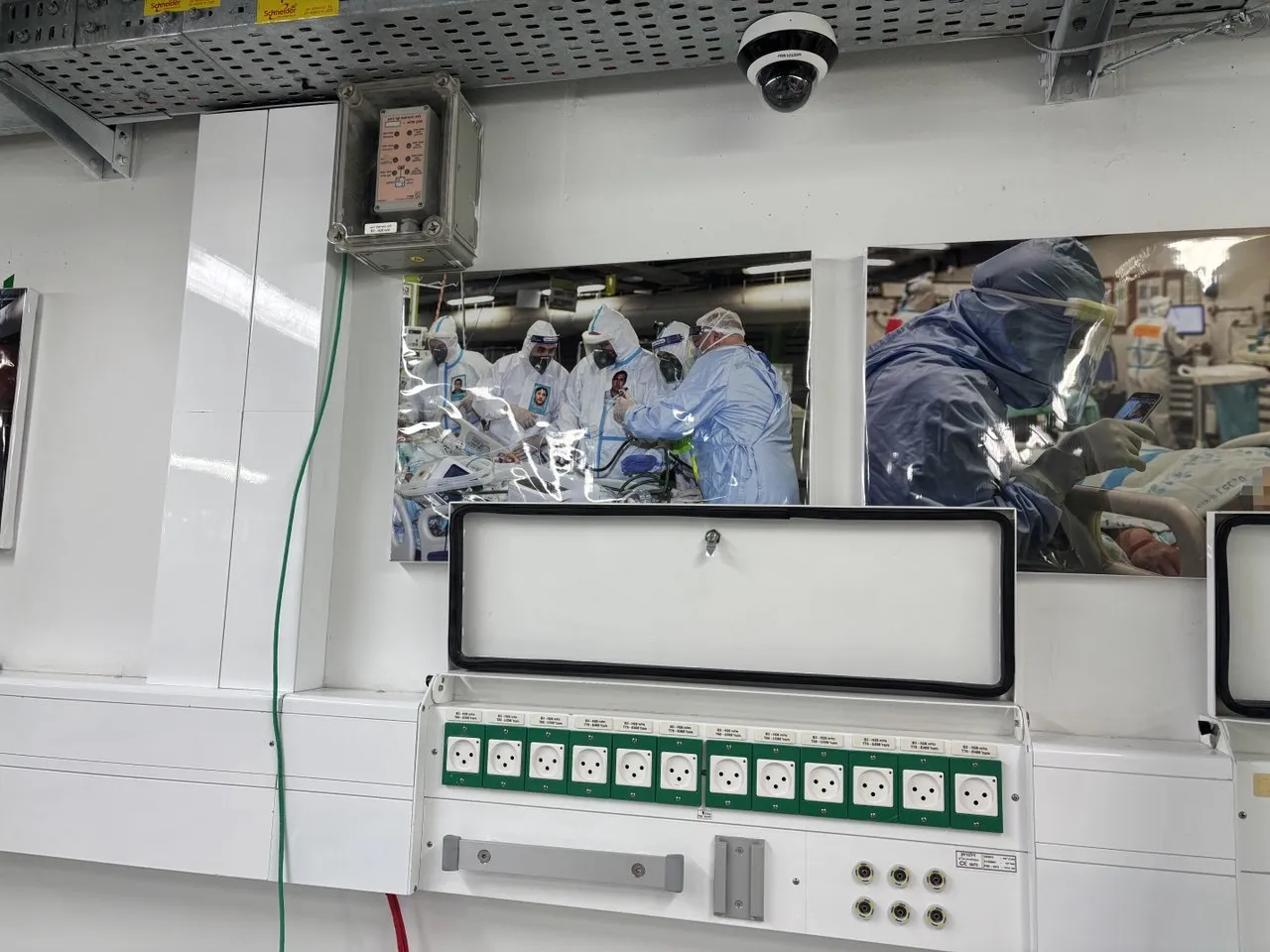
Clear protocols have been developed for Israeli doctors in case of urgent evacuation and the need to work underground. Training sessions are held every few months to ensure that, if necessary, the team functions as a single coordinated mechanism.
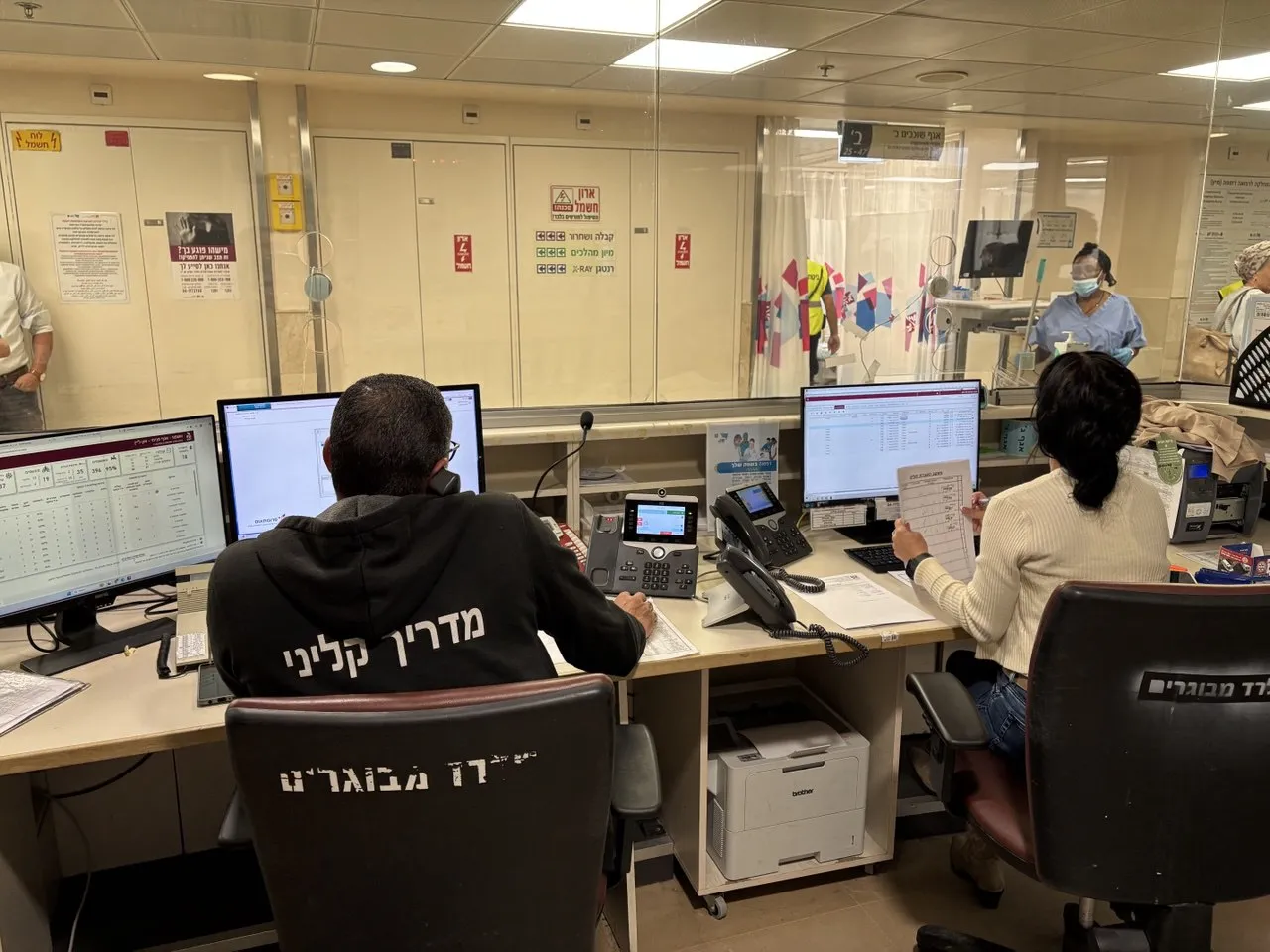
An information centre has also been established in the underground facility, similar to the one on the first floor “above ground” in the emergency department. Both “control centres” operate in synchrony and are ready, if needed, to replace each other without any loss of information.
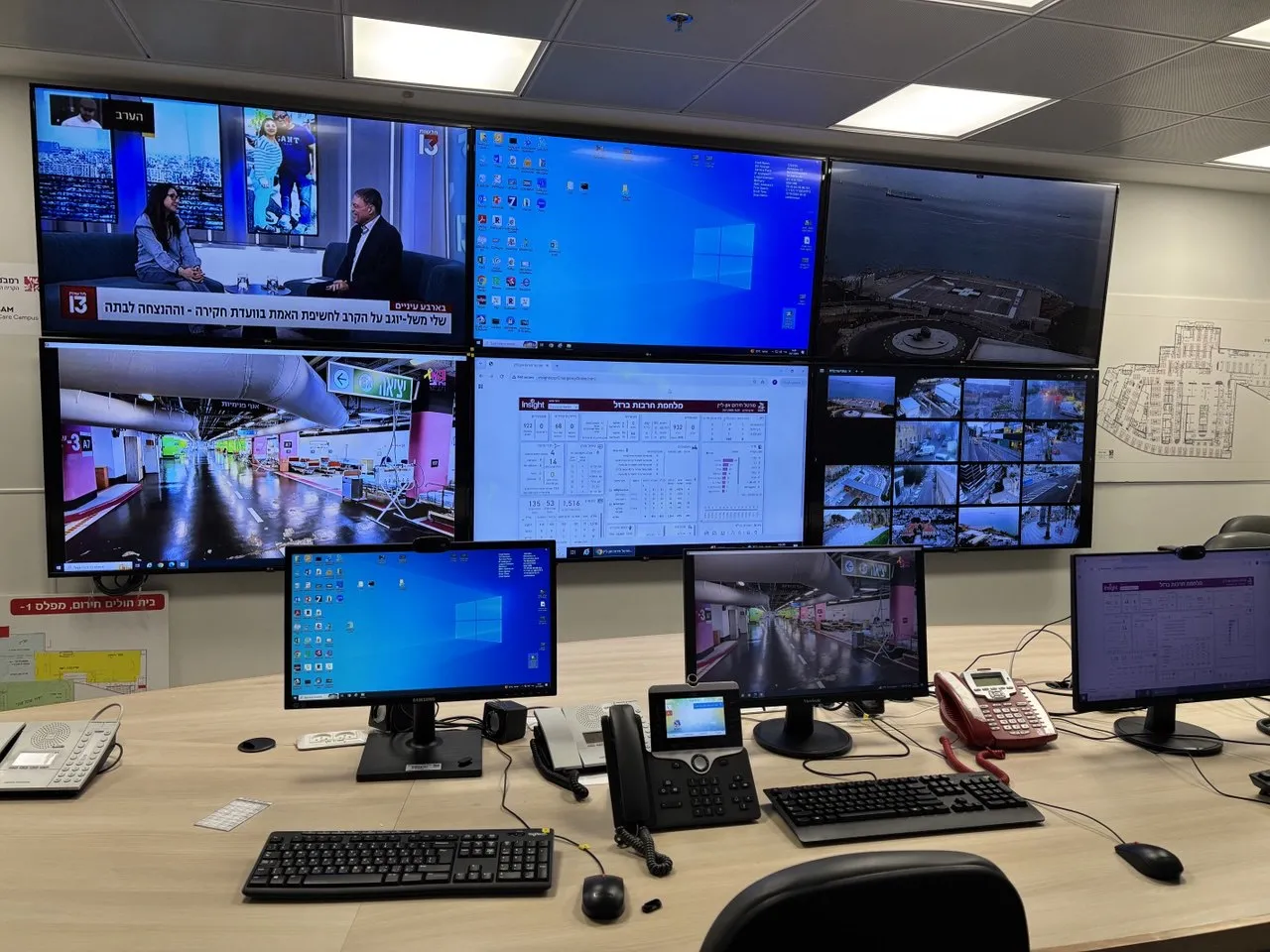
“We understand that we live surrounded by enemies and need to adapt to this. We are very pleased that we have managed to implement this unique medical facility, built as a protected structure to operate in emergencies, including military conflicts,” stated a Rambam representative.
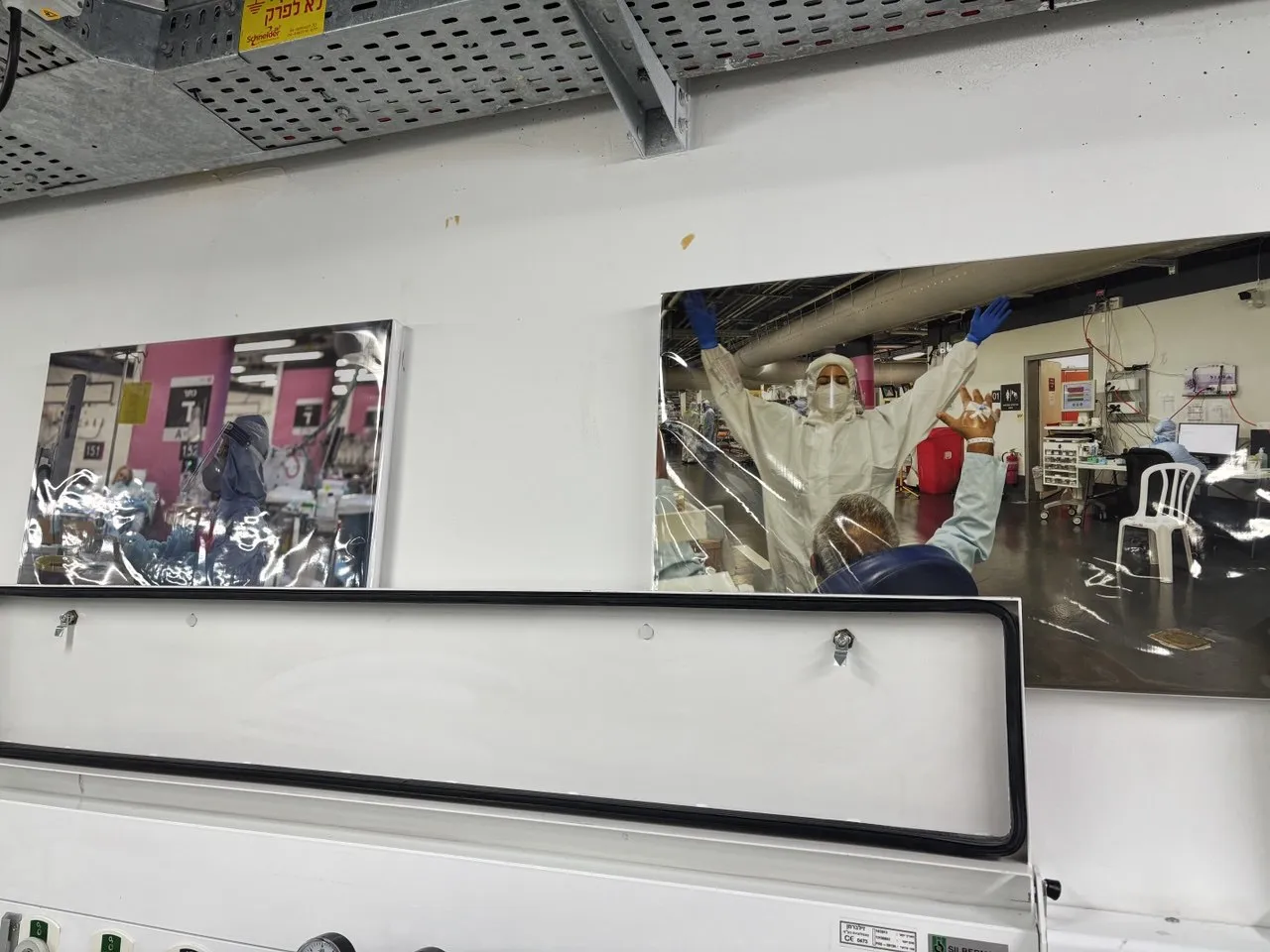
At various times, the underground facilities of the Rambam Medical Centre in Haifa have already been used in practice. For example, during the COVID-19 pandemic, wards were set up here to accommodate a large number of infected patients, ensuring their isolation from others.
In 2024–2025, during periods of military threat, certain departments and medical personnel were relocated here for safety.
It should be recalled that in an interview with UA.News, Israel’s Minister for National Resilience at the Ministry of Finance, Zeev Elkin, explained why his government cannot provide Ukraine with its air defence systems.
Elkin also spoke about the specifics of evacuating Israeli citizens and how reservists rushed to defend their country when the previous war with Lebanon and Iran caught them abroad.
Iryna Kovalchuk, UA.News
This material was created with the assistance of the Ministry of Foreign Affairs of Israel and the Embassy of Israel in Ukraine.


