
The number of cases of animal cruelty has risen in Kimberley, Australia
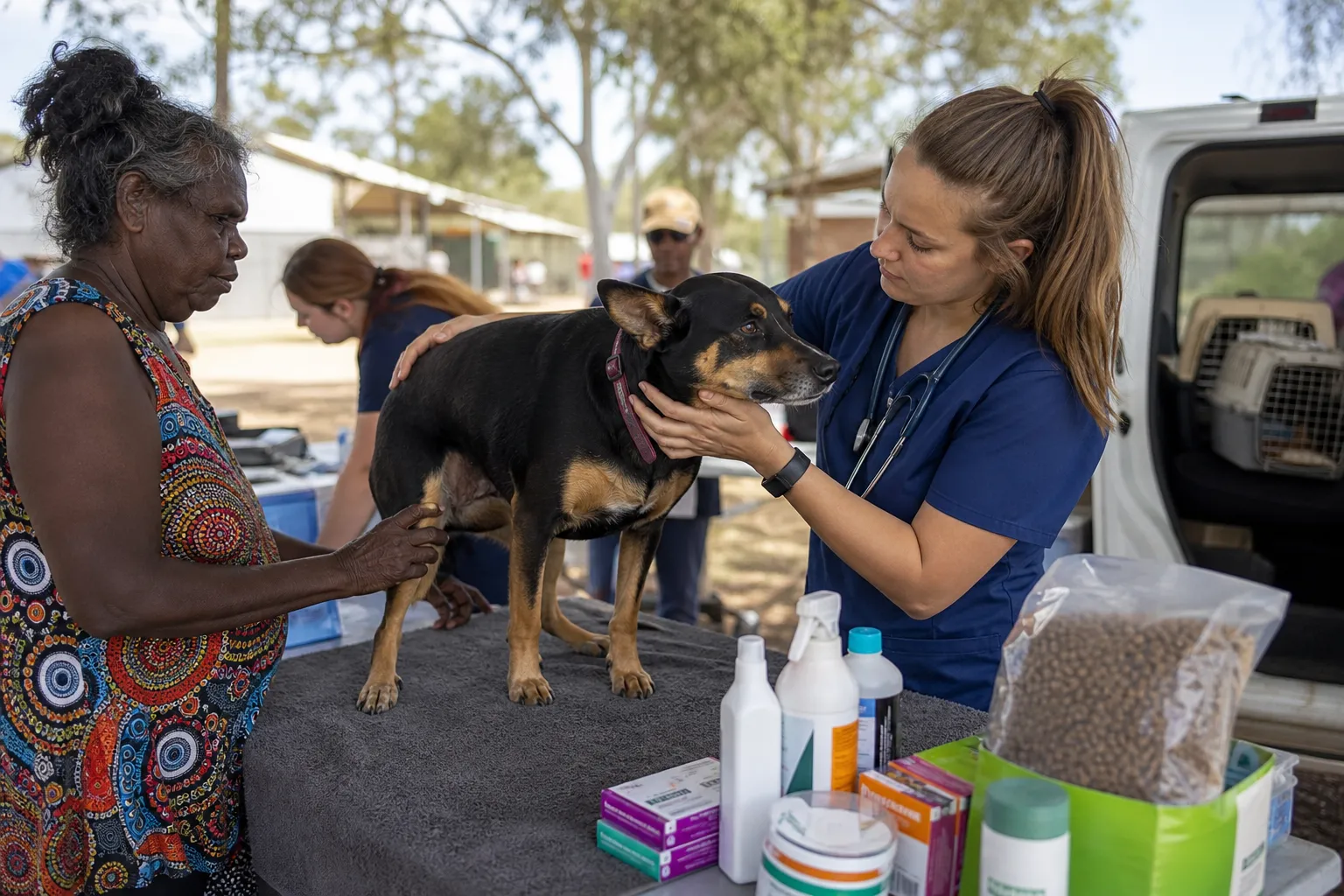
In the Kimberley region in the north of the Australian state of Western Australia, the number of animal cruelty cases rose by 23% over the past fiscal year. The number of animals from this region taken into the care of RSPCA WA has doubled, according to ABC News Australia.
RSPCA WA spokesperson Louise Row stated that in many cases, inadequate animal care is likely linked to owners’ financial difficulties amid the rising cost of living. She noted that the organization is receiving emaciated animals that have been underfed, as well as animals with chronic skin conditions due to a lack of parasite treatment. Some of these health issues could have been addressed earlier with proper veterinary care.
In response to the rising number of cases, RSPCA WA is holding community outreach days in Broome and Derby. There, they offer free pet health checkups, microchipping, food, and treatments for fleas and worms. Rowe emphasized that the organization relies on reports from residents about possible cases of animal cruelty, as some such cases may go unreported.
For more breaking news, follow the UA.News Telegram channel.
Saving Animals From Euthanasia (SAFE), the only rescue organization in Brum, has also noted an increase in the number of abandoned animals and cases where owners are giving them up. SAFE coordinator Sonya Debenham noted that the number of stray animals and those roaming the streets has not changed significantly, but it is becoming increasingly difficult for people to care for their pets. SAFE may have anywhere from 70 to 120 animals in its care at any given time, and the organization’s main challenge is finding foster homes for them.
RSPCA WA appointed an inspector in the Kimberley in 2022, when the region had one of the highest rates of animal cruelty in the state. However, the position was eliminated due to safety risks for the sole inspector. Instead, the organization uses a model in which its staff travel to the region as needed and, in urgent cases, collaborate with local residents.


