
Chinese archaeologists prepare for first field project in South America
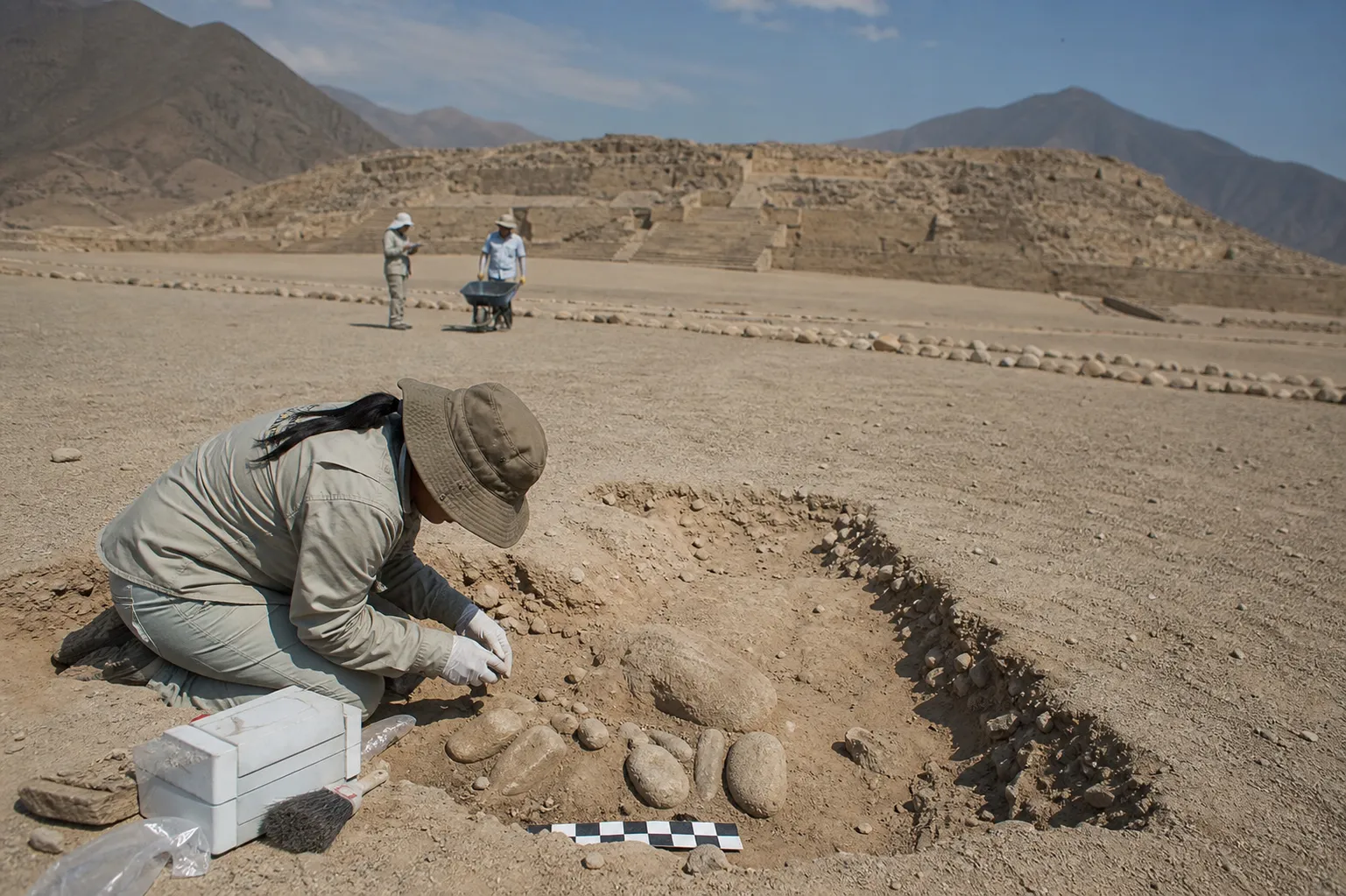
Chinese archaeologists are preparing to launch their first field project in South America together with Peruvian colleagues. The research will be conducted in the Caral archaeological zone in Peru, home to the oldest known urban center in the Americas, the South China Morning Post reports.
China's and Peru's national scientific institutions signed a cooperation agreement in the city of Supe. At the first stage, the joint team will conduct field surveys in the Chancay-Huaral and Supe river basins, as well as study key sites — the Sacred City of Caral and the coastal settlement of Aspero.
Excavations and heritage protection
According to Jia Xiaobin of the Institute of Archaeology at the Chinese Academy of Social Sciences, the cooperation will include field surveys and excavations, the use of modern technologies in archaeology, cultural heritage protection, and researcher training. The Peruvian team is led by the Ministry of Culture and the National University of San Marcos. It is also expected to use Chinese experience in archaeological technologies and cultural heritage preservation.
More current news is available on the UA.News Telegram channel Telegram.
Comparison of ancient societies
The Chinese team will seek primary archaeological data on the early civilizations of the Americas for comparative studies of ancient societies in the Pacific region. A statement by the Institute of Archaeology at the Chinese Academy of Social Sciences said that the archaeological community considers Chinese civilizations and the civilizations of the Americas to share a common ancestor. It also noted similarities between ancient Chinese and Peruvian societies in astronomical observations and spiritual beliefs.
The Caral civilization emerged about 5,000 years ago in what is now Peru and existed for more than a thousand years. Its population built large settlements and monumental structures before pottery became widespread in the region. The partners further plan to expand their research to the Andean highlands to study the remains of the Inca civilization and compare ancient societies in China and South America.


