
Nagoya searches for missing American blue-eyed dolls — The Japan Times
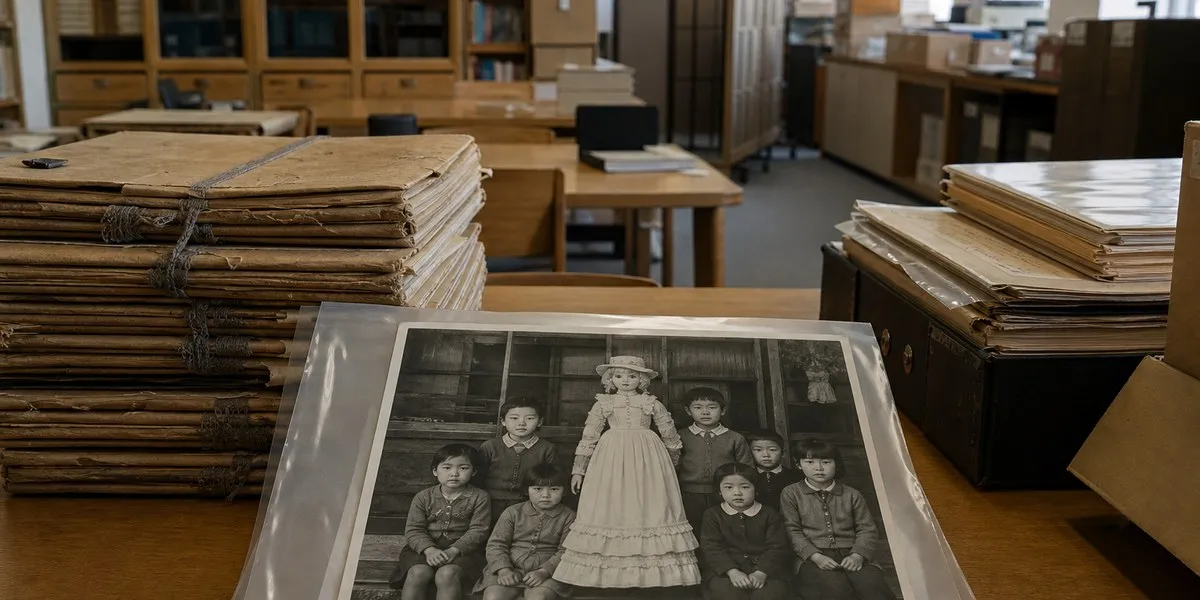
In Nagoya, Japan, none of the 101 American dolls believed to have been distributed in the city in 1927 as part of a Japanese-American gift exchange have yet been found. Around 340 such dolls, known as blue-eyed dolls, have been discovered across the country, including nine in Aichi Prefecture, The Japan Times reports.
Searches in school archives
Tomoko Ishikawa, an 87-year-old former teacher living in Nagoya, is trying to determine the fate of the missing dolls. She sent emails to all elementary schools and kindergartens that may have received such gifts. If institutions reported the possible existence of historical materials, the researcher traveled there and examined old documents together with staff.
One of the dolls is believed to have been sent to the predecessor of Osu Elementary School. The school holds a photograph showing children performing a welcoming dance in front of a doll in Western clothing, placed next to traditional Japanese hina dolls. The caption identifies it as a blue-eyed doll, but the doll itself has disappeared. The archival materials also include a Japanese translation of a letter from the United States.
More current news is available on the UA.News Telegram channel Telegram.
Ishikawa believes that the existence of the documents may mean that someone tried to preserve the doll. However, its whereabouts remain unknown.
An exchange to improve relations
In 1927, American missionary Sidney Lewis Gulick and Japanese industrialist Eiichi Shibusawa facilitated a doll exchange intended to improve relations between the two countries. The United States sent about 12,000 dolls to Japan, where they were distributed to schools and kindergartens. In response, Japan gave the United States 58 traditional Japanese dolls.
The exchange took place amid worsening relations after the United States adopted the revised Immigration Act of 1924, which effectively banned immigration from Japan. After the war between Japan and the United States began in 1941, newspapers and radio stations called for American gifts to be destroyed as dolls of an enemy country. Some may also have been lost during air raids by U.S. forces.


