
In Nigeria, teenagers mine tin to pay for schooling — Premium Times Nigeria
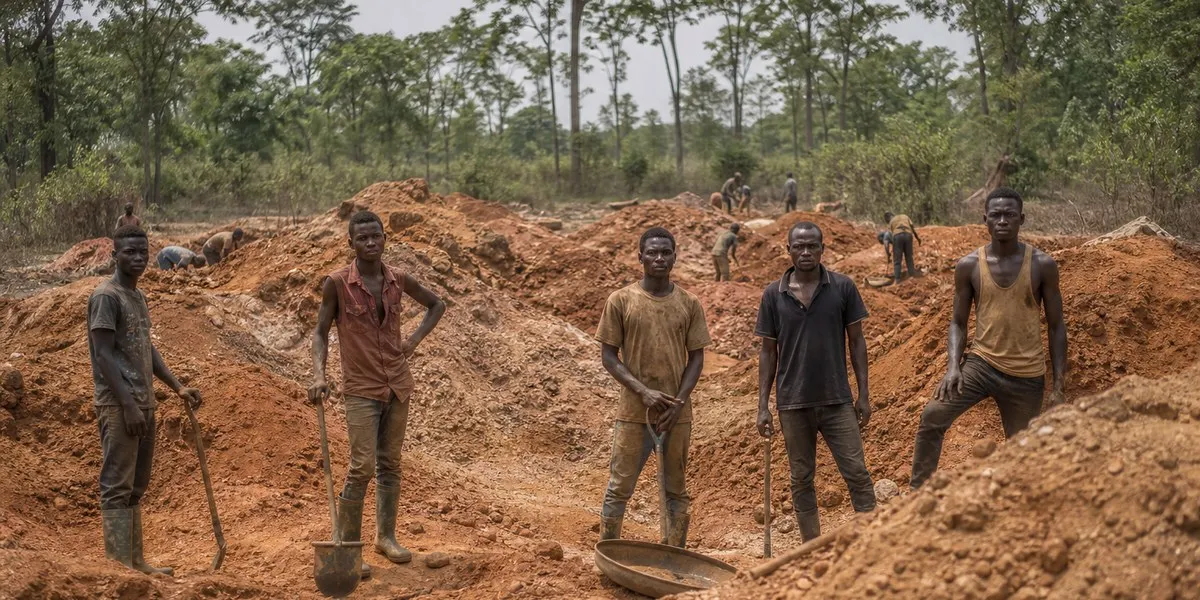
In Nigeria’s Plateau State, teenagers work in unsupported pits at artisanal mining sites, trying to earn money to pay for their education. As Premium Times Nigeria reports, 16-year-old Abdullahi Garba and his 14-year-old brother Sule dig soil in a forest behind the New Government House building near New Rayfield in the city of Jos, looking for traces of tin. According to Abdullahi, the brothers want to return to school but do not have the money to pay tuition.
Work instead of education
In parts of Plateau State, artisanal mining has become a source of income for young people who previously survived on casual work, small-scale trade and low-paid labour. The exact number of young people in this sector is difficult to establish, as much of the activity takes place informally.
Mining mill owner Hajara Dawu said the mining sector enables thousands of young residents of the state to support themselves and their families. Mill operator Joseph Samuel said he receives 5,000 naira daily as a food allowance and earns between 50,000 and 150,000 naira per week.
State education representatives link the spread of mining to the problem of children not attending school. Sunday Amuna, chairman of the Plateau State Universal Basic Education Board, called mining one of the reasons why school-age children drop out of education. During a campaign in July, it was reported that the share of out-of-school children in the state stood at 23.2%, while the dropout rate exceeded 28%.
More current news is available on the UA.News Telegram channel Telegram.
Risks at mining sites
At the site in New Rayfield, teenagers work with simple tools near deep, unstable excavations without visible safety infrastructure. The risks include collapses, toxic gases, dangerous mine shafts and abandoned workings.
According to police, at least 37 miners died in February at an informal mining site in Kampani-Zurak in Wase District due to an accumulation of toxic gases underground. In August, seven miners were reportedly killed when a pit collapsed in Kassa, in Barkin Ladi District.
Nigeria’s Minister of Solid Minerals Development Dele Alake said after the Kassa tragedy that there are more than 4,000 abandoned mining pits in Plateau State. The Nigeria Extractive Industries Transparency Initiative also cited estimates of between 1,100 and 4,000 abandoned tin and columbite mines near Jos, as well as more than a thousand bodies of water on the sites of old mines.
Philip Jakpor, founder of the Renevlyn Development Initiative, called for children involved in mining to be regarded as vulnerable people rather than criminals. In his view, addressing the problem requires fighting poverty and unemployment, developing communities in mining areas, access to education and safer employment opportunities.




