
In Germany, the AfD re-elected its leaders at its convention
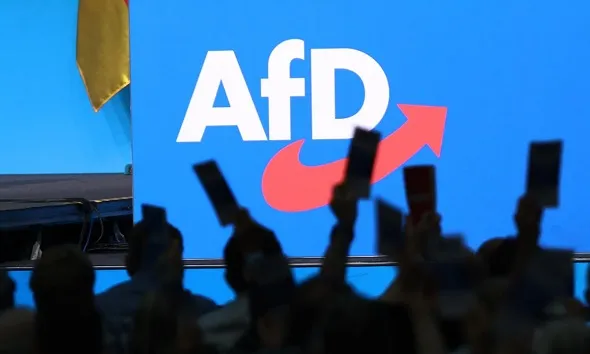
In Germany, the far-right party “Alternative for Germany” held a convention and re-elected Alice Weidel and Tino Chrupalla as its co-leaders, retaining the current leadership without changes. The vote showed significant, though not unanimous, support for both politicians, reflecting both stability within the party and certain internal fluctuations. Despite expectations of possible changes, the delegates effectively reaffirmed the party’s previous course.
The “Alternative for Germany” (AfD), which remains one of the most controversial political forces in the country due to its far-right positions, held its regular national convention in Erfurt, where the main issue was the re-election of the leadership. Following the vote, delegates once again backed the incumbent co-leaders—Tino Chrupalla and Alice Weidel—effectively leaving the party’s leadership unchanged.
Tino Hrupalla received over 70% of the vote, which is significantly less than in the previous vote two years ago, when his result was higher. Experts interpret this result as a sign of growing internal party competition or caution on the part of some delegates, although it remains sufficient for a confident re-election. Alisa Weidel, for her part, received over 81% of the vote, indicating a more stable position within the party.
Tino Chrupalla has led the AfD since 2019, and Alice Weidel became co-leader in 2022; since then, they have formed the party’s key political duo. Their re-election effectively solidifies the current course of the political force, which continues to actively influence public discourse in Germany, despite criticism from other political camps.
The Erfurt convention itself showed that the AfD is currently prioritizing leadership stability, avoiding drastic personnel changes. At the same time, the voting results show that there is a certain balance among various influential groups within the party, which may manifest itself in future political decisions. This was reported by Tagesschau.
The German Foreign Ministry summoned the Chinese ambassador following media reports about possible training of Russian military personnel on Chinese territory. Officials in Berlin stated that any support that helps Russia continue the war against Ukraine also poses a threat to Europe’s security.


