
In Germany, the record-breaking heat wave did not trigger a new wave of climate protests
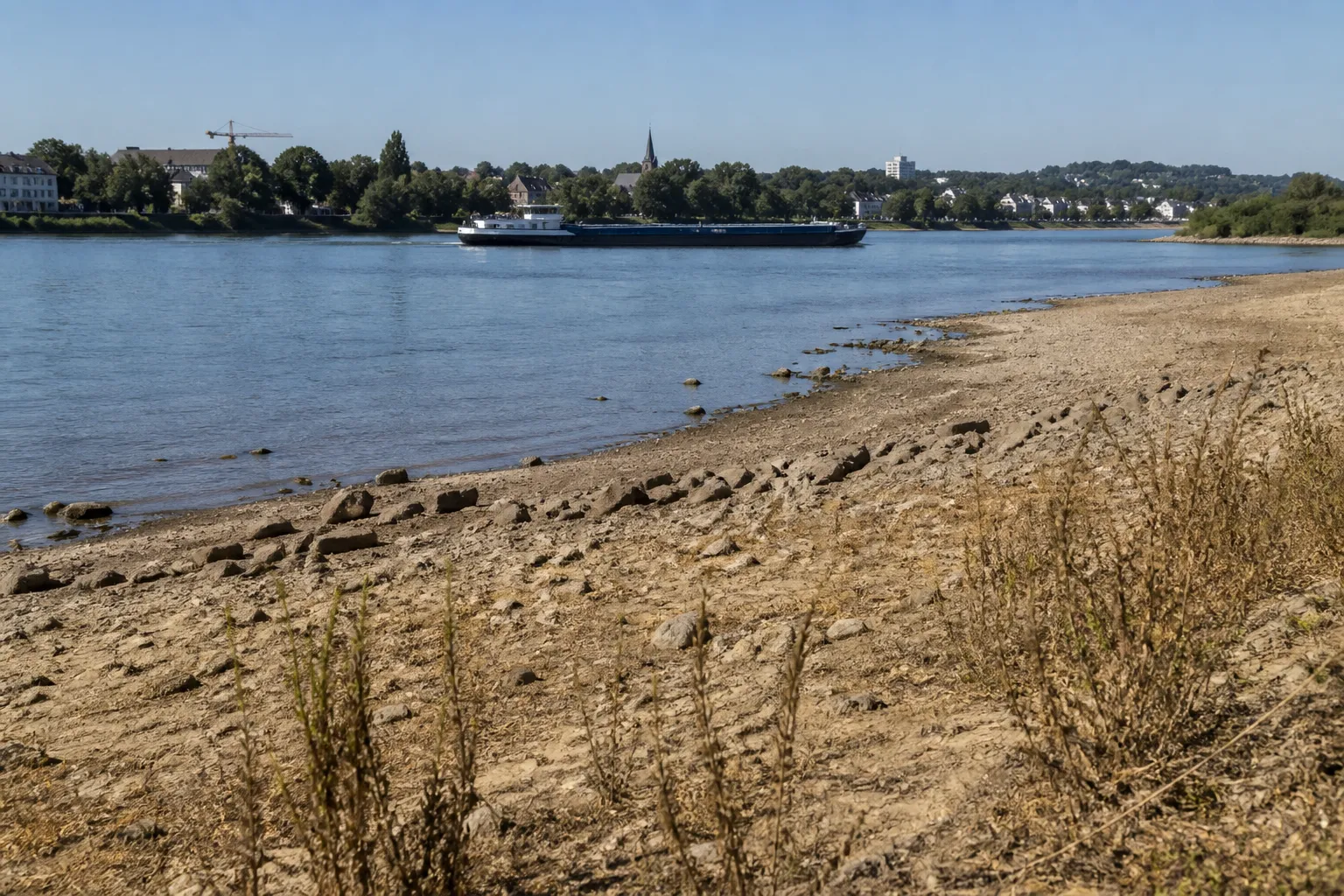
In Germany, despite a scorching summer, drought, wildfires, and 12,500 heat-related deaths since the beginning of 2026, there has been no new large-scale surge in protests calling for more active climate policy. According to Deutsche Welle, only a few hundred people took part in a rally outside the Federal Chancellery in Berlin. In 2019, before the COVID-19 pandemic, climate demonstrations drew hundreds of thousands of participants.
Fridays for Future activists accuse the federal government of failing to implement effective long-term solutions. Linda Kastrup, a spokesperson for the movement’s German chapter, criticized proposals to deepen the Rhine and ease Sunday restrictions on trucks, calling them a short-term response to the consequences of the climate crisis. According to her, after posting a video on social media, she received about 2,000 hateful comments in a short period of time.
Lars Werner, an activist with the “Last Generation” movement, stated that several years ago he had warned about the possibility of the Rhine drying up during hot summers and the economic consequences of this. The movement suspended its protests two years ago due to hostility toward activists, fines, and prison sentences.
For more breaking news, follow the UA.News Telegram channel.
According to a study by the Bertelsmann Foundation, 80% of Germans are concerned about climate change, and more than half support increasing government spending on climate protection. At the same time, this has not led to mass street protests.
Sebastian Gauß, a political scientist at the University of Bremen, attributes the climate movement’s reduced visibility to competition for public attention in the wake of the COVID-19 pandemic, the war in Ukraine, and economic challenges. He also pointed to the emergence of political forces that oppose climate restrictions and noted that large-scale movements have been partially replaced by numerous local groups that are less visible to the general public.
German Environment Minister Carsten Schneider of the Social Democratic Party is proposing amendments to the Basic Law to make protection against heatwaves a shared responsibility of the federal government, the states, and municipalities. His coalition partners from the CDU/CSU bloc have raised legal concerns. Under the Paris Agreement and Germany’s national climate protection law, Germany is required to achieve climate neutrality by 2045.


