
Germany studies traditional architecture of the UAE, Oman and Algeria
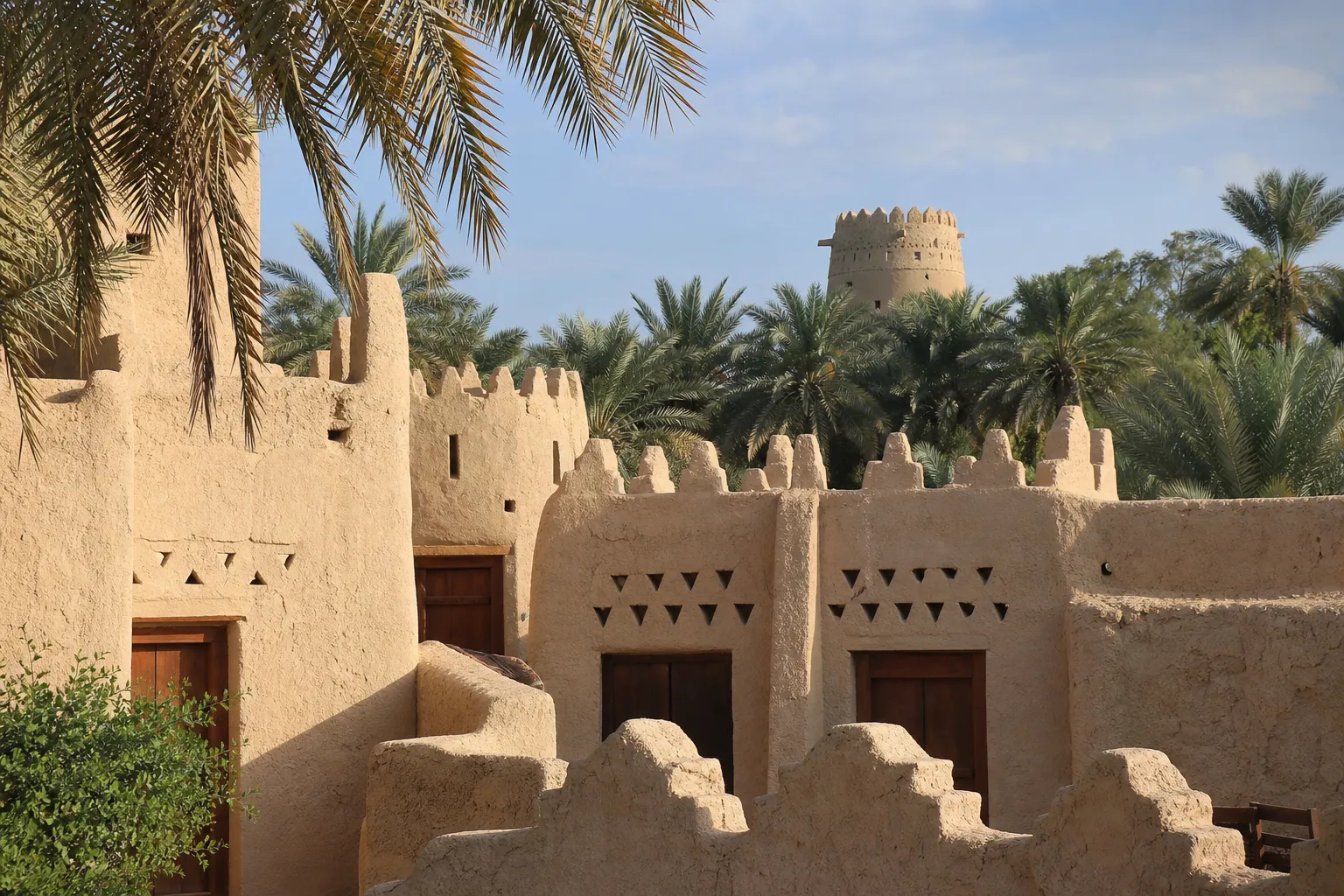
German and Arab researchers are studying the traditional architecture of the United Arab Emirates, Oman and Algeria to analyze its energy efficiency and the potential for applying climate-adapted solutions. Particular attention is being paid to the natural cooling of houses built from stone, coral stone and mud brick.
The project is funded by the Arab-German Young Academy of Sciences and Humanities, which receives funding from the German government. Its participants are to analyze traditional Arab architectural solutions and their energy efficiency, The National reports.
Natural cooling
Traditional houses in the UAE were adapted to the heat through local materials and planning. In particular, coral stone absorbs less heat, while wind towers known as barjeels provided natural ventilation. These approaches combined Arab, Indian and Persian architectural traditions.
The Al Ain oasis is an example of climate-adapted development. The use of mud brick there as one of the oldest construction technologies became part of the application through which the UAE first received UNESCO World Heritage status in 2010. The organization described the site as a symbol of people's ability to settle and adapt to the harsh desert environment.
More current news is available on the UA.News Telegram channel Telegram.
Building codes and local materials
One of the study's organizers, Dawood Al-Ansari, founder of Oman's Shaheen Institute and a professor at the Technical University of Berlin, said that architects in the region seek to use local materials and traditional planning. At the same time, such solutions may not comply with current municipal building codes, which, he said, are largely copied from British standards.
Germany has a similar passive house concept, which historically focused on retaining heat in winter. However, as summer heatwaves become increasingly extreme, the costs of cooling homes are also rising. Al-Ansari believes that traditional Omani limestone can help block outside heat and keep buildings cool inside.
The study's results are planned to be presented next month in Muscat at a meeting of researchers from Germany, the UAE and other countries. After the presentation, participants will discuss the possibility of integrating traditional climate-adapted architecture into building codes.


