
First wild beaver kits in more than 500 years born in Norfolk
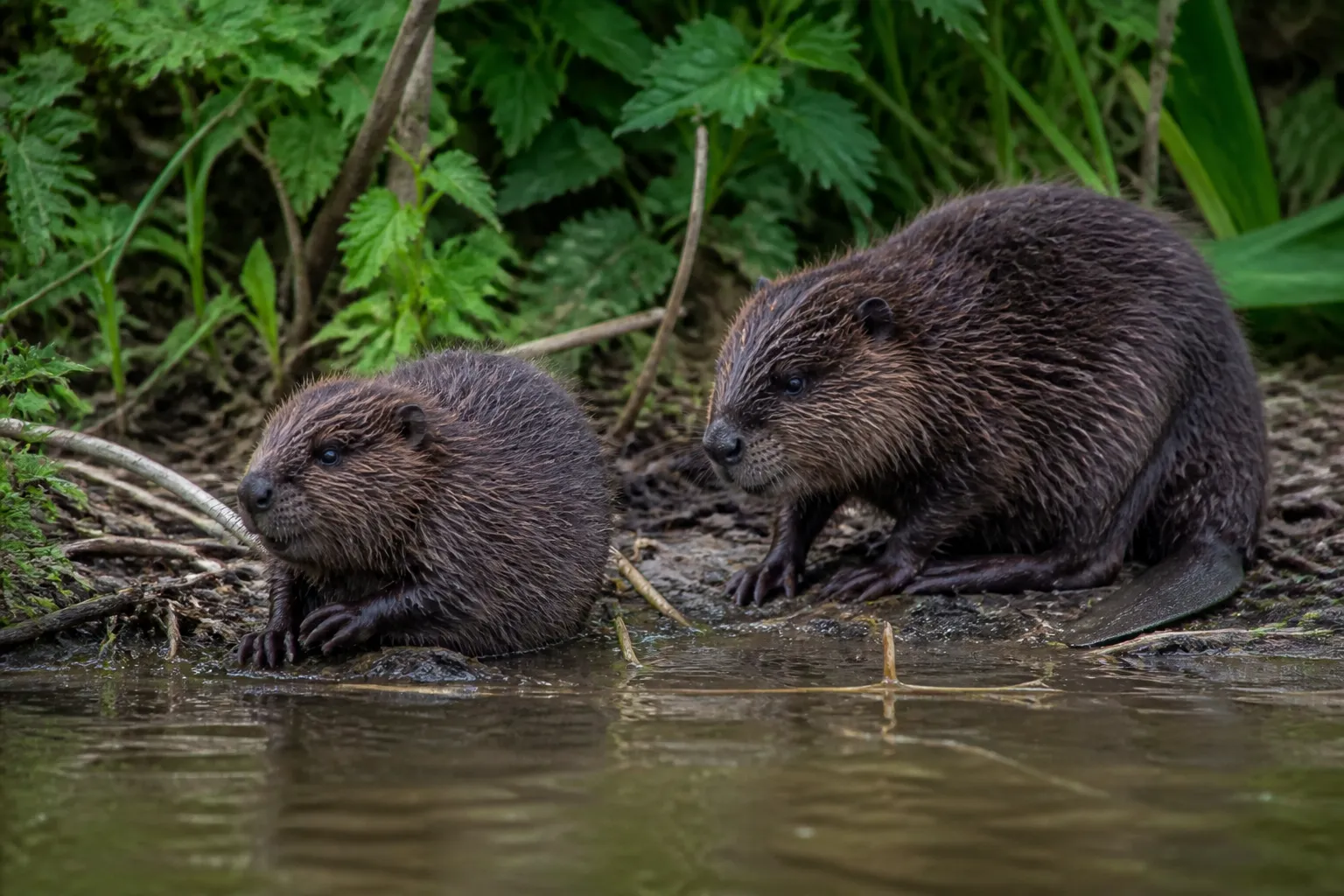
Two wild beaver kits have been born at Pensthorpe Nature Reserve near Fakenham in Norfolk, the first in the region in more than 500 years. They are the offspring of two beavers that appeared at the reserve in December and built a lodge on the River Wensum, The Guardian reports.
The adult pair became the first recorded wild beavers in Norfolk since the beginning of the 16th century. At that time, the local species in England was exterminated through hunting. The origin of these animals has still not been established: the nearest known population of wild beavers lives more than 130 miles from the reserve, on the River Stour in Kent.
Beaver kits captured by camera traps
According to reserve manager Richard Spowage, the kits are probably about three months old. Staff initially saw one young animal next to an adult beaver in camera-trap footage, and spotted the second kit in later footage.
More current news is available on the UA.News Telegram channel Telegram.
The kits eat willow and water mint. They are already learning to dive and slap their tails on the water’s surface, creating a loud sound to deter predators. Video footage also captured an adult beaver slapping its tail on the water during an encounter with an otter.
Population is planned to be expanded
The appearance of offspring creates a problem for further breeding, as one family will not provide sufficient genetic diversity. The reserve has begun fundraising to apply to the government advisory body Natural England for permission to legally release other wild beavers into the Wensum, which feeds the Norfolk Broads water system.
Some people suggest that the adult pair may have been illegally released by conservation activists, but there is no evidence of this, and the animals’ origin remains a mystery. Pensthorpe’s management does not support this practice. For now, the beavers’ impact on the reserve is described as minimal: they have not built dams, but are partially clearing trees and creating narrow side channels. These shallow channels are used by, among others, tits, mallards, foxes, otters and roe deer.


