
DNA barcoding helps study insects in Pakistan — Dawn
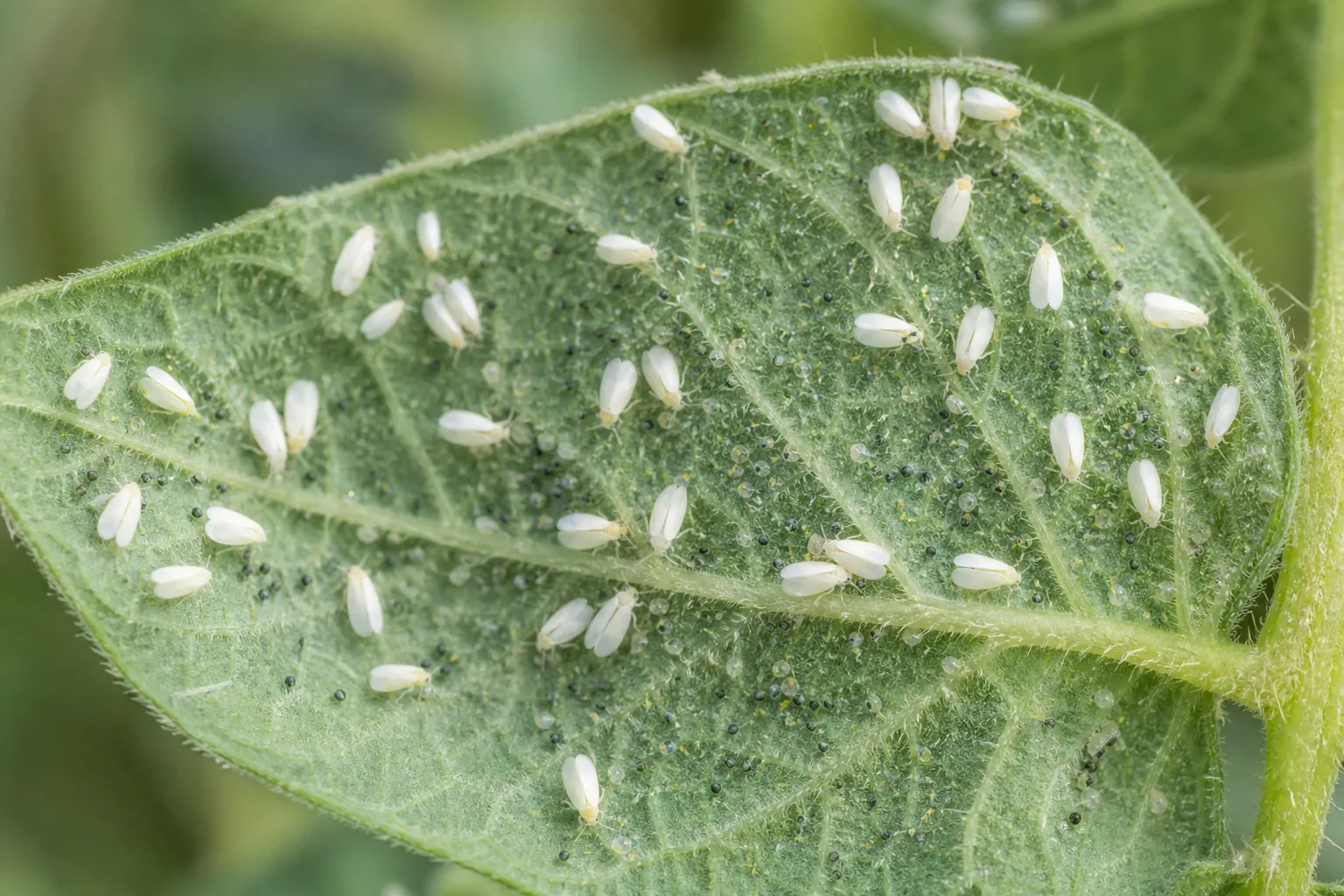
In Pakistan, researchers are using DNA barcoding, genomic databases and bioinformatics to identify insects that are difficult to determine accurately by external features alone. As Dawn reports, this approach makes it possible to detect genetic differences between visually similar species, including agricultural pests.
During a national insect biodiversity study, for which material was collected at 1,858 locations in 2010–2019, scientists obtained 50,592 DNA barcode records. Of these, 49,363 records were assigned to 6,590 Barcode Index Numbers (BINs), codes used by the Barcode of Life Data System to group genetically similar specimens.
Only 21% of BINs could be matched to species that already had names in global databases. At the time of the analysis, 59% of BINs were registered in BOLD only from specimens from Pakistan. This does not mean that the respective insects do not occur in other countries, as Pakistan and neighboring states have been studied unevenly.
Genetic differences among pests
DNA analysis is particularly important for studying agricultural pests. The whitefly Bemisia tabaci may appear externally to be a single species, but scientists know of a complex of closely related and visually similar groups. They differ in their ability to spread plant viruses and in their response to insecticides.
In one study in the provinces of Punjab and Sindh, whitefly specimens were collected at 255 sites. An analysis of 173 records assigned the material to 15 BINs, made it possible to identify several likely species and revealed a previously unknown genetic group labeled Pakistan.
More current news is available on the UA.News Telegram channel Telegram.
Another study compared the complete genome of the Asia II 1 whitefly with the reference genome of MEAM1, an invasive biotype of Bemisia tabaci capable of transmitting crop viruses and rapidly developing resistance to chemical agents. Researchers recorded approximately 2.33 million single-nucleotide differences in DNA and 202,479 insertions and deletions. They also identified variants in 14 genes previously linked to potential insecticide resistance.
Results are verified in the field
Bioinformatics helps narrow the search for genetic variants that require further study, but by itself it does not prove an insect's resistance to a specific insecticide. A separate study of whiteflies from five districts of Punjab, conducted in 2017–2019, showed that the response depended on the collection site and the insecticide tested.
Genetic methods are also used to study the pink bollworm Pectinophora gossypiella, another dangerous cotton pest. Researchers compared populations using thousands of genetic markers, including specimens from Punjab and Sindh. Another study, based on data from 17 districts of Punjab, laboratory observations and temperature models, assessed how pest infestations may change in the future. Such assessments may be affected by weather, crop variety, sowing time and plant protection.
To advance research in Pakistan, genetic data are proposed to be combined with carefully identified and curated specimens, information on the place and time of collection, and the host plant or animal. Fieldwork, taxonomy and laboratory experiments remain necessary to verify the results of DNA analysis.


