
Gatherings banned in Pakistan’s Punjab until September 17
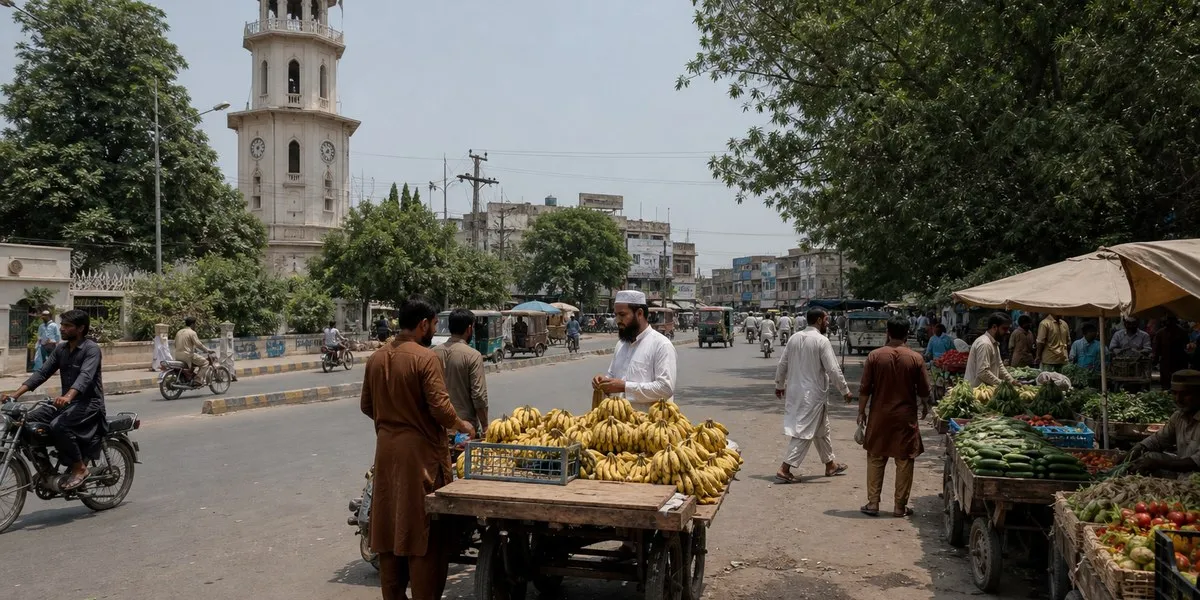
Authorities in Pakistan’s Punjab province have imposed restrictions on gatherings until September 17 due to numerous reports of possible terrorist activities. The decision took effect on September 13 and applies across the province, Dawn reports.
What restrictions were introduced
According to a statement by Punjab’s home department, the restrictions were imposed under Article 144 of the Criminal Procedure Code. Processions and gatherings of five or more people are prohibited in public places, on roads, highways and open spaces.
Inciting people to participate in unlawful gatherings is also prohibited. Exceptions are provided for wedding ceremonies, funeral prayers, prayers in mosques and other places of worship, courts and official state events.
Authorities also separately banned carrying, displaying or brandishing weapons in public places. This restriction does not apply to law enforcement, intelligence and security personnel while performing their official duties.
More current news is available on the UA.News Telegram channel Telegram.
Reports of threats
The home department said law enforcement and intelligence agencies had received information about a serious and imminent threat to public order, lives and property in Punjab. According to the department, terrorist organizations and hostile intelligence structures may be preparing attacks during large public gatherings.
The document listed suicide attacks, the use of vehicle-borne explosives and targeted killings among possible methods of attack. Punjab police leadership, the counterterrorism department, a special police branch and the administrations of several districts requested urgent preventive measures.
Jamaat-e-Islami has been holding sit-in protests for nearly a month against the fuel levy in Lahore, Peshawar, Karachi and dozens of other locations across the country. Its leader, Hafiz Naeemur Rehman, warned that the party would march to Islamabad on September 20 if the government does not abolish the levy.


