
Dugong numbers in Australia’s Gulf of Carpentaria may have halved
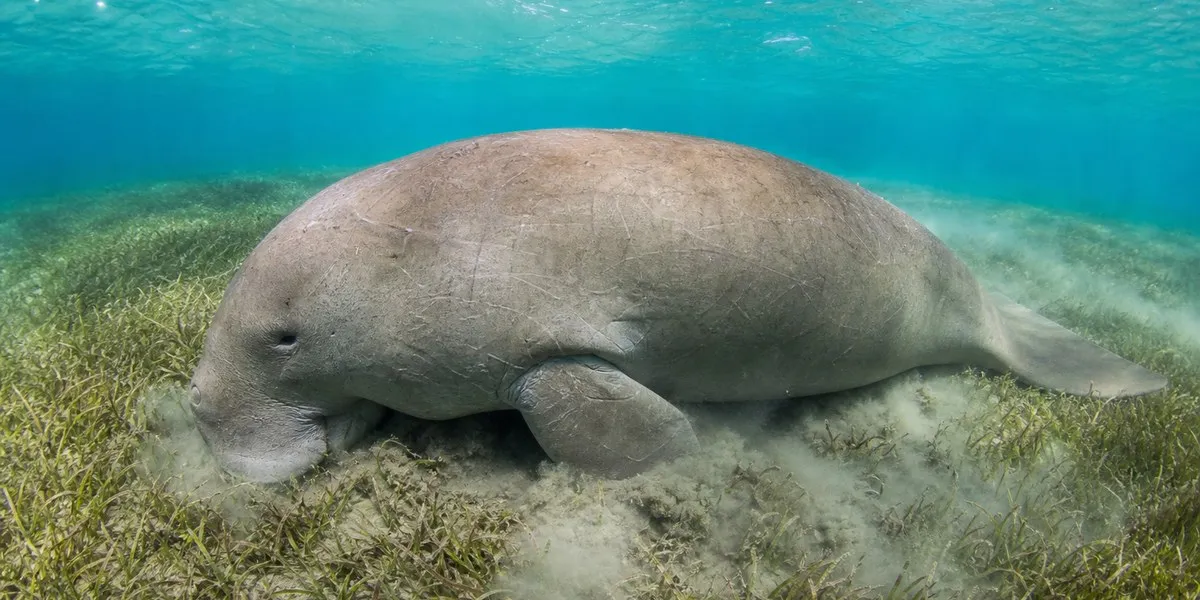
In Australia, the number of dugongs in the Gulf of Carpentaria may have fallen by approximately half, according to aerial surveys — from 10,000 in 2007 to 5,000 in 2025. The fishing industry and Indigenous community leaders are urging authorities to fund further research into the causes of this decline and possible measures to protect the species, ABC News Australia reports.
The study was conducted by researchers from James Cook University and Charles Darwin University together with Indigenous ranger groups. The surveys indicated a significant decline in the number of dugongs in Queensland waters, while the population in the Northern Territory appears stable, according to these data.
Possible reasons for the decline
Scientists suggest that floods and storms, which cover seagrass meadows — the main food source for dugongs — with silt, may have affected the animals’ numbers. Other possible factors they named include entanglement in gill nets, boat collisions and marine debris.
Some ranger groups called for a complete ban on the use of gill nets in the gulf. They propose expanding restrictions introduced by Queensland in five areas in 2024, as well as accelerating a full ban in the Northern Territory, which is currently due to take effect by the end of 2027.
More current news is available on the UA.News Telegram channel Telegram.
Queensland Seafood Industry Association chief executive David Bobberman rejected accusations that commercial fishers were responsible for the decline in dugong numbers. He said there was a need for a clear strategy to restore the species and called for research into the condition of seagrass, traditional hunting and boat collisions as well.
Hunting and further research
Bobberman also raised the issue of illegal hunting and the sale of dugong meat. At the same time, Roper Gulf Regional Council mayor and Robinson River traditional owner Tony Jack said traditional hunting does not affect the population decline, as communities regulate it seasonally and conduct it for ceremonies and special occasions. Mapoon Aboriginal Shire Council mayor Ronaldo Guivarra also does not consider local traditional hunting to be the cause of the decline, but suggested that poaching could be a problem.
Queensland’s Department of the Environment said it had received no reports over the past 12 months of illegal dugong killings or sales of their meat in the Gulf of Carpentaria. Northern Territory Police said there were no active investigations into illegal trade in such meat.
The governments of Queensland and the Northern Territory said they support dugong conservation, monitoring and research. Northern Territory authorities also said they will soon expand Limmen Bight Marine Park, which will protect one of the region’s largest and most diverse seagrass systems.


