
In South Africa, columnist proposes alternative to full fynbos restoration in Lower Tokai
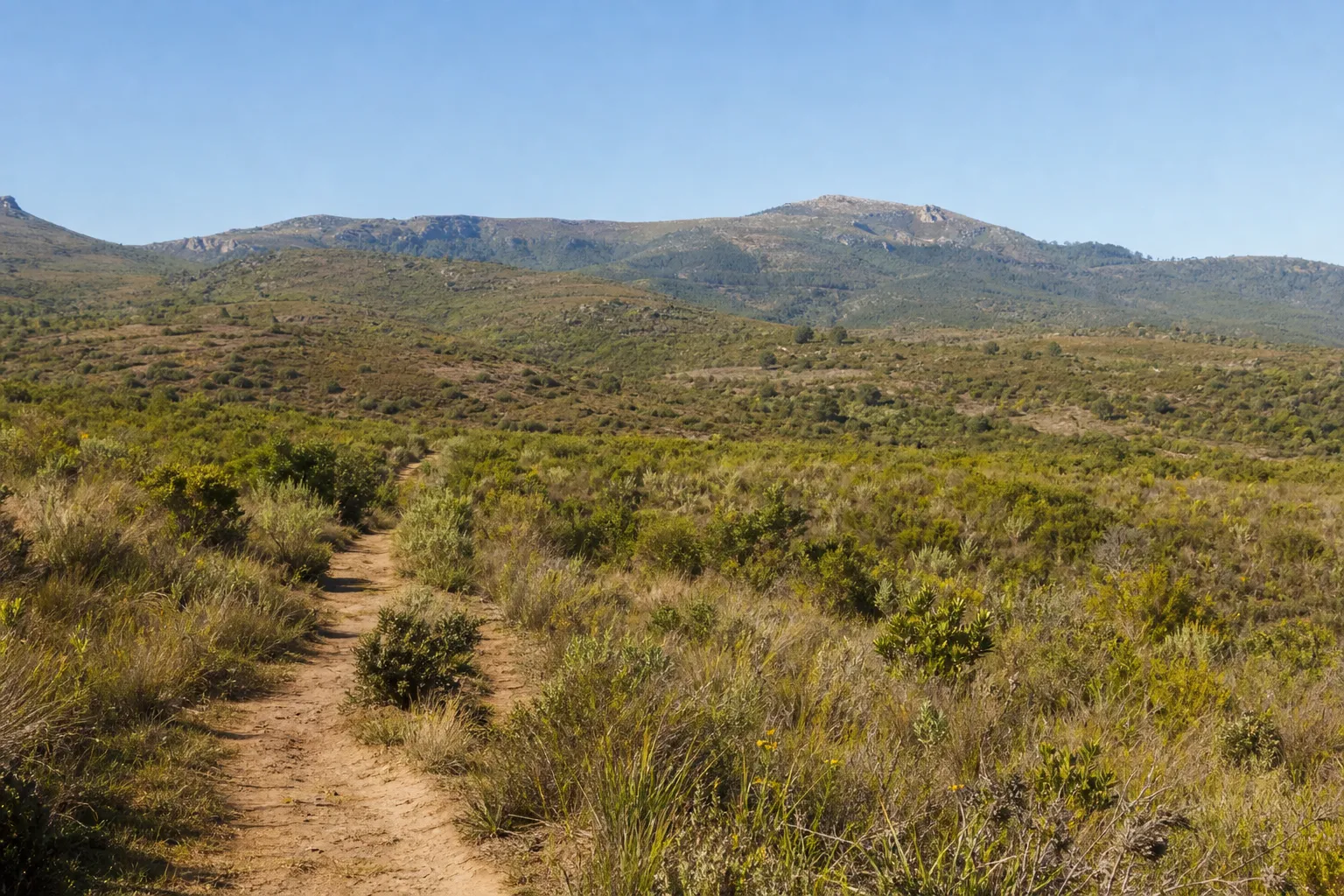
In Lower Tokai, South Africa, a columnist proposed creating a specialized garden of rare species instead of fully restoring the original fynbos, while preserving a substantial area for shaded recreation. In his view, restoring intact Cape Flats Sand Fynbos could take from 100 to 200 years and would require intensive burns every 10–15 years.
As Daily Maverick reports, the column disputes the assessment of vegetation recovery rates at the site of a former pine plantation. At the author's request, Parkscape commissioned consultant Doug Euston-Brown to survey the site and compare the results with a list of 622 species circulated by Friends of Tokai Park. According to the author, 445 species, or 71% of the list, could not be confirmed either during the survey or through iNaturalist.
Soil and vegetation conditions
The author believes that Lower Tokai's soils have changed due to centuries of forestry and agricultural use, including nutrient inputs. He notes that fynbos is a nutrient-sensitive heathland type, while road infrastructure, air pollution and proximity to dense urban development may intensify this impact.
More current news is available on the UA.News Telegram channel Telegram.
As examples, the author cites the extensive spread of grasses after fire, the dominance of short-lived fire species and the presence of plants he considers indicators of elevated nutrient levels. In his view, this distinguishes the site's current condition from undisturbed sand fynbos, which he observed at the Pella research site in the early 1980s.
Proposal and site inspection
The author does not deny that certain ecological processes operate in some restored areas. He mentions that Professor Dave Richardson referred to a peer-reviewed 2024 study on the activity of seed banks, pollination and seed dispersal. At the same time, the columnist argues that such processes in individual zones do not confirm the restoration of the entire area to the original composition of plant communities.
The author proposed that the South African National Biodiversity Institute and SANParks jointly create a garden for rare and endangered Cape Flats Sand Fynbos species. More extensive restoration, in his view, could be carried out west of Orpen Road, farther from residential development. He also called on all parties to conduct a joint on-site inspection of Lower Tokai.


