
In the US, temporary funding stalls about 10% of Space Force programs
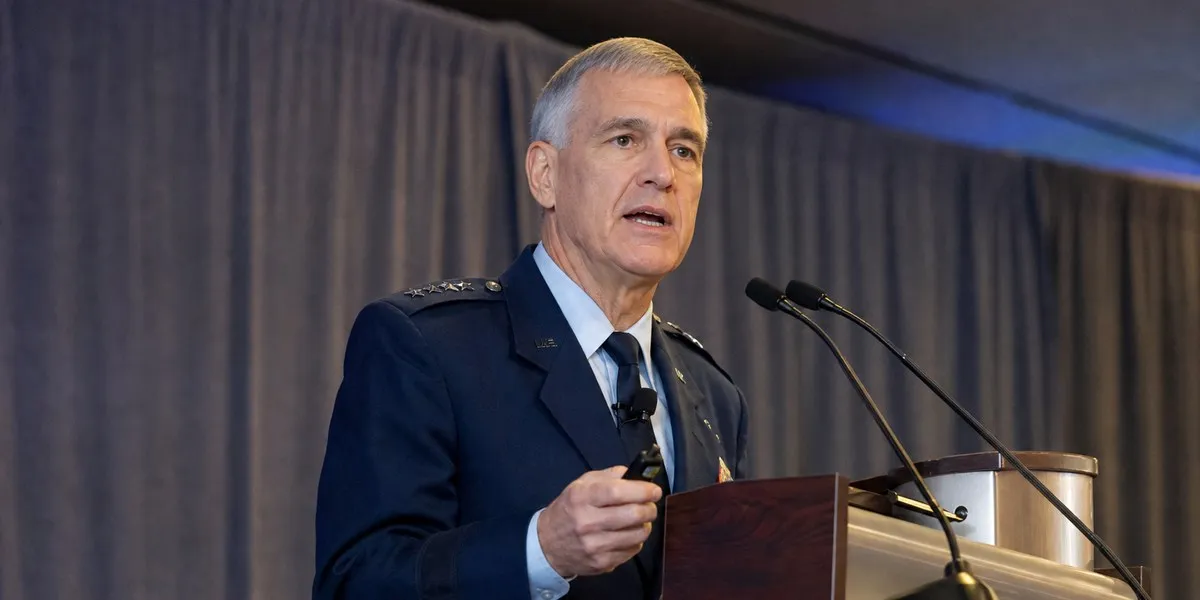
In National Harbor, Maryland, US Chief of Space Operations Gen. Douglas Schiess said that temporary federal government funding through mid-December will not allow progress on about 10% of planned US Space Force programs. He said this at the Air & Space Forces Association conference, Breaking Defense reports.
According to Schiess, approximately 90% of Space Force programs are linked to last year's projects, so they can continue under temporary funding. At the same time, about 10% of planned activities require a new appropriations law or a special exception approved by the US Congress.
Delay to new programs
The general stressed that the absence of a full budget will slow the service's work, while threats, in his assessment, are not diminishing. Chief Master Sergeant of the Space Force John Bentivegna noted that new areas such as space control and space superiority did not previously exist. To carry out these missions, the service needs to advance procurement procedures and obtain the necessary systems.
More current news is available on the UA.News Telegram channel Telegram.
The US Space Force, created seven years ago, is requesting $71.2 billion for fiscal year 2027, while $40 billion was approved for fiscal year 2026. By the end of the decade, service leadership aims to approximately double its workforce to about 20,000 Guardians and civilian employees.
Orbital weapons
During his first major address in office, Schiess named the development of Guardians' professional culture, the arming and development of the Space Force, and the large-scale integration of its capabilities as priorities. He also repeated US Air Force Secretary Troy Meink's statement that the Space Force has space-control weapons in orbit.
Schiess said that Guardians already operate orbital weapons capable of protecting joint forces from attacks using space assets. According to him, disclosing information about such capabilities has a deterrent effect. He also said that military leaders had openly discussed what they consider concerning behavior by Russia and China, including capabilities to capture other satellites and alter their orbits.


