
Victoria chooses tree of the year from nine finalists — ABC News Australia
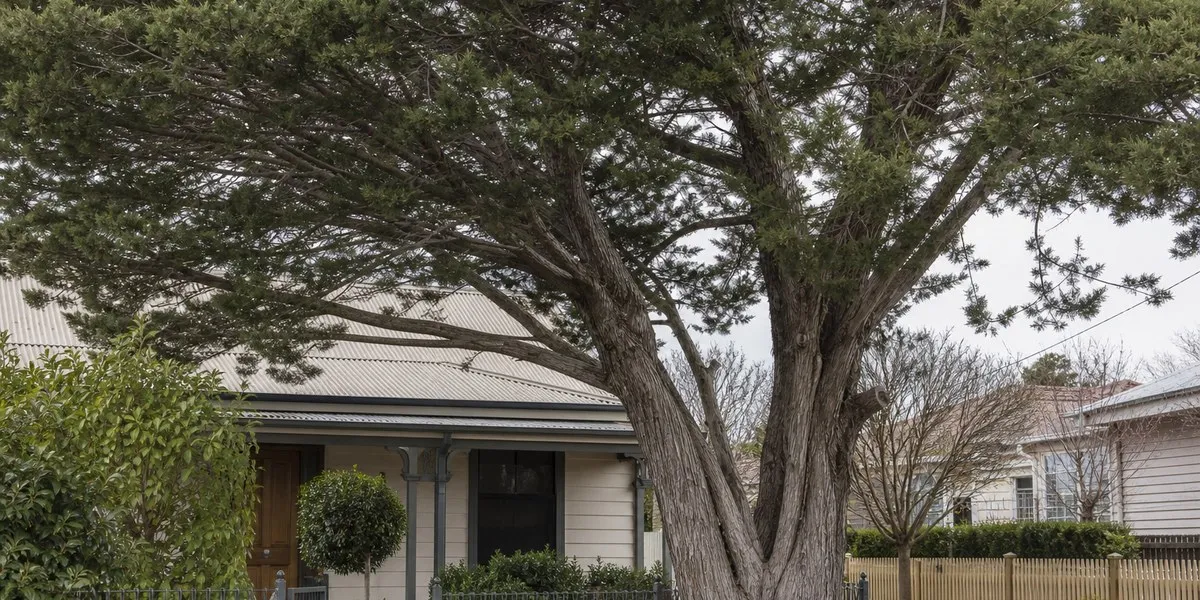
Public voting is opening in the Australian state of Victoria to select the winner of the Victorian Tree of the Year 2026 competition, run by National Trust Victoria. Nine trees have reached the final, including a bunya pine from the town of Maldon in the central part of the state, ABC News Australia reports.
Bunya pine from Maldon
The bunya pine grows in the front yard of local resident Cathy Whiteman. According to her, the tree is a prominent landmark on the street: she advises people to look for her house when they see the large tree.
At the same time, Whiteman said caring for the pine comes with difficulties. It bears fruit once every three years and drops large cones. Whiteman said the cones she has seen weighed between 5 and 7 kilograms. During fruiting, she locks the gate with wire and does not walk beneath the branches because she considers a falling cone dangerous. She called the plant untidy but beautiful.
Bunya pines can live for up to 500 years. They were once planted quite often in Victoria's early gardens.
More current news is available on the UA.News Telegram channel Telegram.
Other finalists
Another finalist from the same municipality is an Indian bean tree in the Castlemaine Botanical Gardens. This garden is also home to the winner of the 2021 Victorian Tree of the Year competition.
Other contenders include a ginkgo from the Geelong Botanic Gardens, a myrtle beech from Apollo Bay, a Canary Island pine from Ballarat, a golden elm from South Yarra, a smooth-barked apple myrtle from Prahran, a sequoia forest in Warburton, and a swamp gum from Carlton North.
The trees were nominated by members of the public from National Trust Victoria's Register of Significant Trees, after which an expert committee selected the finalists. Voting opens at 9:00 on the day the article is published and will last for a month, while the winner will be announced at the end of October.
National Trust Victoria's executive manager for gardens and landscapes, Justin Buckley, said trees need protection, particularly in cities where trees of this size cannot be planted again.


