
The Russian government acknowledges that its economy is inevitably falling behind the global economy
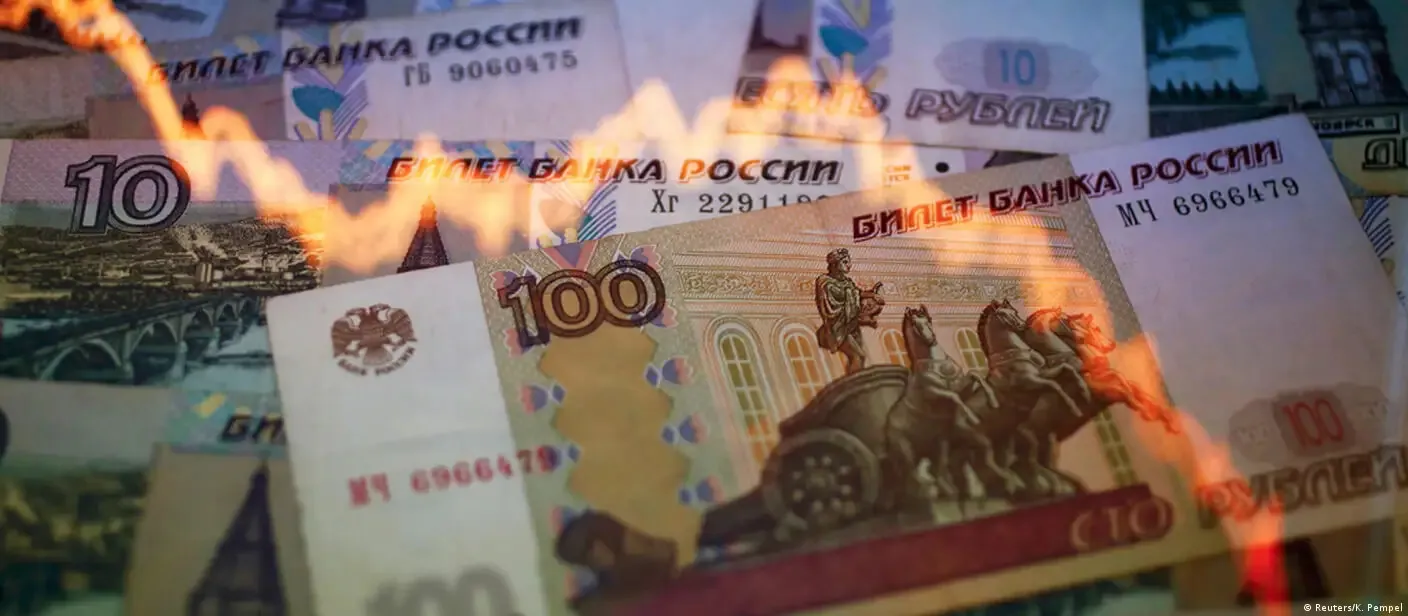
The Russian economy will continue to lag behind global indicators at least until 2030.
According to the aggressor country’s updated government forecast, the gap between Russia’s GDP growth rate and that of the rest of the world will only widen in the coming years.
Analysts at the Russian Ministry of Economic Development cite IMF data, which forecasts annual global economic growth of 3.2%.
At the same time, Russian officials acknowledge that their own GDP will grow by only 1.5% on average, indicating deep stagnation.
Even developed countries, according to experts’ forecasts, will show better growth dynamics than Russia, with growth of 1.7%.
This underscores the ineffectiveness of the current model of governance in a state-sponsored terrorist regime and the devastating impact of sanctions pressure on its internal processes.
Russia’s economic decline has been ongoing for over a decade, beginning with the annexation of Crimea.
Over the past eleven years, the global economy has grown by 40.6%, while Russia’s barely exceeded 18.7%, demonstrating a de facto decline.
The Kremlin’s ambitious plans to achieve annual growth rates of 3% remain unfulfilled.
Russian officials openly acknowledge their inability to carry out the country’s leadership’s orders due to existing restrictions and isolation from global financial markets.
“In the coming years, according to forecasts, we are unlikely to achieve 3% annual growth within the existing framework,” a representative of the Russian Ministry of Economic Development stated in a comment to the media.
The economic slowdown directly affects Russia’s ability to finance its military spending in the long term.
GDP stagnation amid inflation and a technology deficit makes the Russian economic model vulnerable to external fluctuations and domestic discontent.
The Russian government has cut its economic growth forecast for the current year by two-thirds
The Russian economy ended the first quarter of 2026 with a decline for the first time in three years


