
More than 3,000 people have died from Ebola in the Democratic Republic of the Congo
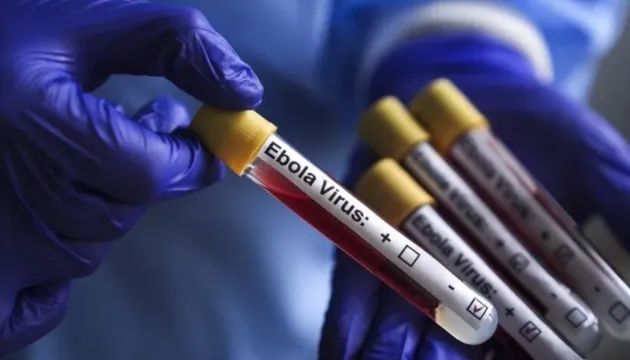
The death toll from the Ebola outbreak in the Democratic Republic of the Congo has exceeded 3,000. The country’s government reports 6,186 confirmed cases of the disease, and the epidemic has already spread to six provinces.
The Ebola outbreak in the Democratic Republic of the Congo is rapidly worsening. According to the latest government data, the death toll from the disease has risen to 3,007. A total of 6,186 cases of Ebola have been confirmed in the country. Thus, since the outbreak began, nearly half of all patients with a confirmed diagnosis have died. The outbreak is considered the largest in the history of the DRC. It continues to spread despite the efforts of local authorities, the World Health Organization, and humanitarian organizations.
The epidemic began in Ituri
The Ebola outbreak was officially declared on May 15, 2026, in Ituri Province in the northeastern part of the country. However, some health officials and experts believe the disease may have begun spreading as early as January. In other words, the first cases may have appeared several months before authorities officially declared the epidemic.
Since then, the virus has spread to six provinces. This is a particularly serious problem for the DRC, as the healthcare system operates under difficult conditions in many areas. Some regions are plagued by violence and instability, and it can be difficult for healthcare workers to safely reach patients.
Why the Outbreak Is Hard to Contain
One of the main problems remains the late detection of cases. According to WHO estimates, about 60% of Ebola deaths occur outside of healthcare facilities. This means that a significant number of people die at home or elsewhere without receiving timely medical care. As a result, healthcare workers may not be able to diagnose the patient in time, isolate them, and screen people who may have been in contact with them.
The situation is further complicated by weak epidemiological surveillance. In some areas, health services lack sufficient resources to quickly identify new cases and trace contacts. Another factor is the attitude of local communities. Resistance or mistrust among some members of the population toward healthcare workers can prevent them from seeking help in a timely manner and agreeing to necessary measures.
The insecurity in the region creates additional challenges. Due to the unstable situation, medical and humanitarian organizations are not always able to operate there as quickly and on the scale required during a major outbreak.
Which virus caused the outbreak
This time, the epidemic was caused by the Bundibugyo strain of the Ebola virus. This is an important detail, as there is currently no approved vaccine or specific treatment for this strain of the virus.
At the same time, scientists are working on several candidate vaccines. These are being developed and tested to find a way to more effectively protect people from this strain of the virus. The situation is different with the Zaire strain of Ebola. The Ervebo vaccine, which has already been approved for preventing the disease, is specifically designed to combat this strain.
Vaccination of healthcare workers has begun in the DRC
Recently, the authorities in the Democratic Republic of the Congo began vaccinating healthcare workers who are on the front lines of the fight against the epidemic. They are using the Ervebo vaccine for this purpose. It protects against the disease caused by the Zaire strain of the Ebola virus.
However, its effectiveness specifically against Bundibugyo has not yet been confirmed. Therefore, vaccination alone does not fully solve the problem under current conditions. At the same time, medical professionals are working to identify patients more quickly, isolate them, and trace people who may have come into contact with infected individuals.
Ebola remains a particularly dangerous disease
Ebola is a severe viral infection that can cause high fever, weakness, muscle pain, vomiting, and diarrhea. In severe cases, the disease leads to bleeding and organ failure. The virus can be transmitted through direct contact with the blood or other bodily fluids of an infected person or someone who has died from the disease.
That is why, during outbreaks, it is extremely important to quickly identify patients, isolate them, provide medical supervision for contacts, and safely handle the bodies of the deceased. In the case of the Democratic Republic of the Congo, these measures are difficult to implement in all areas due to the scale of the epidemic, problems with medical infrastructure, and the danger in certain parts of the country.
The death toll continues to rise
According to the latest data from the DRC government, 3,007 people have died since the start of the current Ebola outbreak, and another 6,186 have fallen ill. The epidemic has already spread to six provinces, and medical and humanitarian organizations continue to work to contain it.
However, the true scale of the problem may be even greater. If some patients do not seek medical care or die outside of medical facilities, not all cases can be immediately detected and confirmed by laboratory testing. That is why it is now crucial for experts not only to treat known patients but also to identify new cases as early as possible. For now, the situation remains challenging. The largest Ebola outbreak in the history of the DRC continues to spread, and the death toll has already exceeded three thousand. Reuters reports this, citing statistics released Wednesday by the DRC government.
A new school year has begun in the Democratic Republic of the Congo despite concerns from parents and teachers over the Ebola outbreak. The epicenter of the outbreak is Ituri Province. According to the latest government data, since mid-May, the virus has claimed the lives of 2,950 people out of 6,100 confirmed cases.


