
Keta residents in Ghana fear fare increases due to rising fuel prices — MyJoyOnline
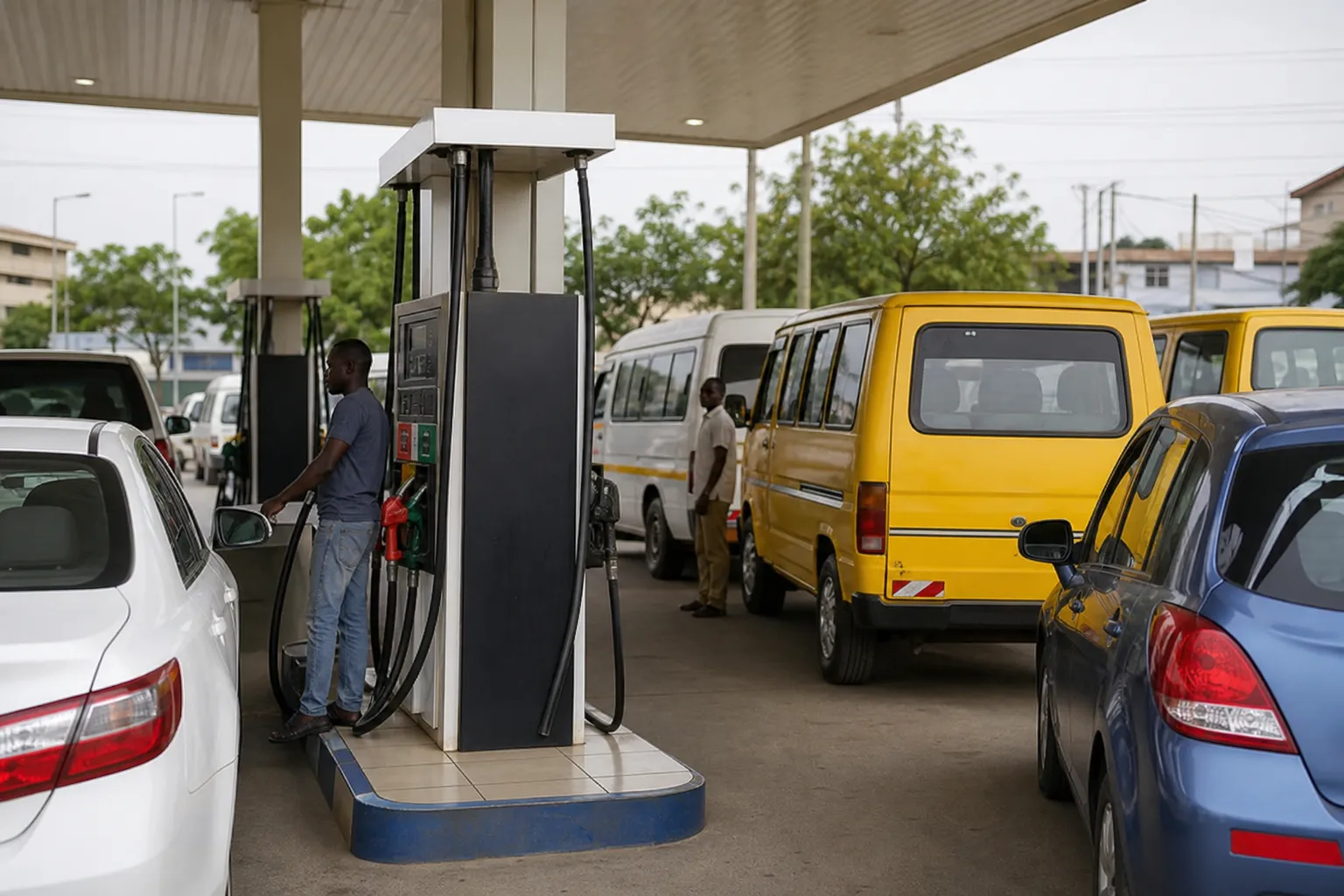
Residents of Keta in Ghana’s Volta Region reacted differently to the latest fuel price increase, which took effect on September 1. Some residents fear that it will lead to higher transport fares and put additional pressure on family budgets amid the rising cost of living, MyJoyOnline reports.
Fuel price forecasts
Ghana’s Chamber of Petroleum Consumers, COPEC, forecast that the price of petrol would rise to about 16.21 Ghanaian cedis per litre. This is about 5% higher than the previous average price of 15.43 cedis per litre.
The Chamber of Oil Marketing Companies, COMAC, expected petrol to rise by about 4.8% to 16.39 cedis per litre, while diesel fuel was expected to increase by 2.1% to 17.60 cedis per litre. At the same time, prices may vary among different companies. In particular, Star Oil kept its petrol price at 14.97 cedis per litre but raised the price of diesel from 16.47 to 16.97 cedis.
Drivers’ reaction
Local resident and commercial transport driver Raphael Hemega said that carriers are awaiting a decision from union leadership on a possible fare review. According to him, drivers do not plan to change fares independently until the Ghana Private Road Transport Union, GPRTU, and other transport associations assess actual prices at filling stations.
More current news is available on the UA.News Telegram channel Telegram.
Drivers also complained about rising prices for spare parts, lubricants, taxes, insurance and other vehicle maintenance costs. Earlier, the GPRTU suspended a planned fare increase after government intervention in the issue of diesel prices.
Factors behind the increase
According to the Ghana News Agency, industry analysts linked the increase primarily to the situation on the international oil market. The average oil price, according to their data, rose from $90.53 to $92.11 per barrel. Pressure on prices was also linked to geopolitical tensions and uncertainty over oil transportation through the Strait of Hormuz.
The increase occurred despite the recent strengthening of the Ghanaian cedi against the US dollar, which consumers had expected could restrain prices. Keta residents called on the government to expand support measures to mitigate the impact of the increase on consumers.


