
In Indonesia, soldiers' sentences softened over acid attack on activist — The Japan Times
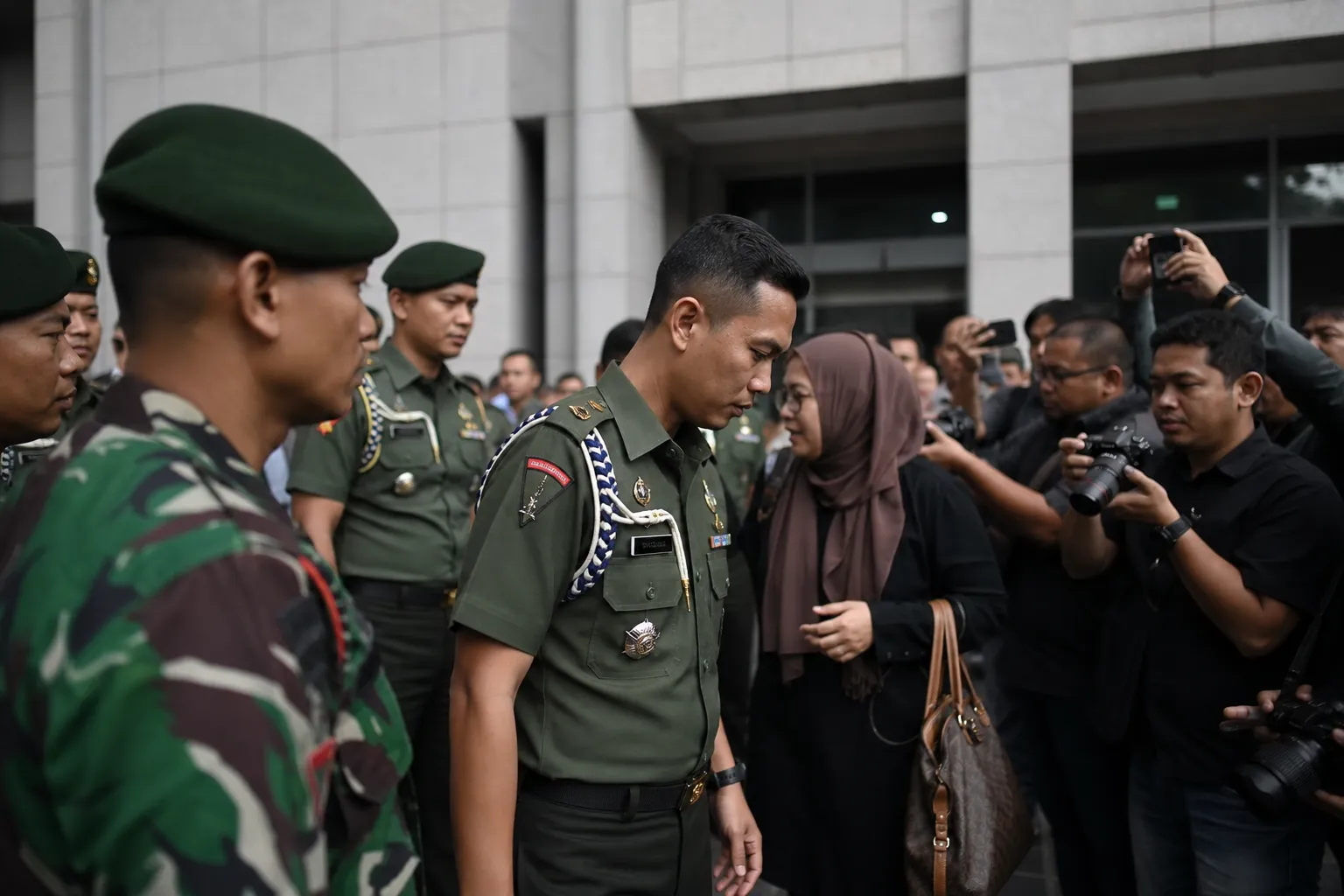
In Indonesia, a military court reduced the prison terms of two servicemen convicted over an acid attack on activist Andri Yunus and overturned the decision to discharge them from military service. A coalition of activists and lawyers condemned the appellate ruling, The Japan Times reports.
Reduced terms and overturned discharges
In June, a military court sentenced four officers from a military intelligence unit to between one and a half and three years in prison. They were found guilty of attacking the deputy coordinator of the Commission for Missing Persons and Victims of Violence, the human rights organization KontraS.
The first two defendants received the harshest sentences — three years and two and a half years in prison. They were also to be dishonorably discharged from military service. However, following an appeal, the court reduced each of their terms by six months and overturned the discharge decision. A court document dated August 20 does not state the reasons for this decision.
More current news is available on the UA.News Telegram channel Telegram.
Human rights advocates' reaction
The Democracy Advocacy Team, a coalition of activists and lawyers, said the appellate ruling showed leniency toward those convicted, failed to deliver justice for the victim, reinforced the practice of impunity and created an impression of special treatment for military personnel before the law.
In June, the court found that the officers carried out a premeditated attack in March because of Yunus' public activities. He had spoken out against the military's growing involvement in civilian affairs. The June verdict stated that the first defendant directly carried out the attack and persuaded others to participate, while the second suggested using acid.
According to the coalition, Yunus underwent numerous plastic surgeries and operations on his skin and eyes after the attack. Vision in his right eye was damaged so severely that he cannot read with it. Activists also criticized the case being heard in a military rather than civilian court.


