
Ghana calls for increased funding for inclusive education
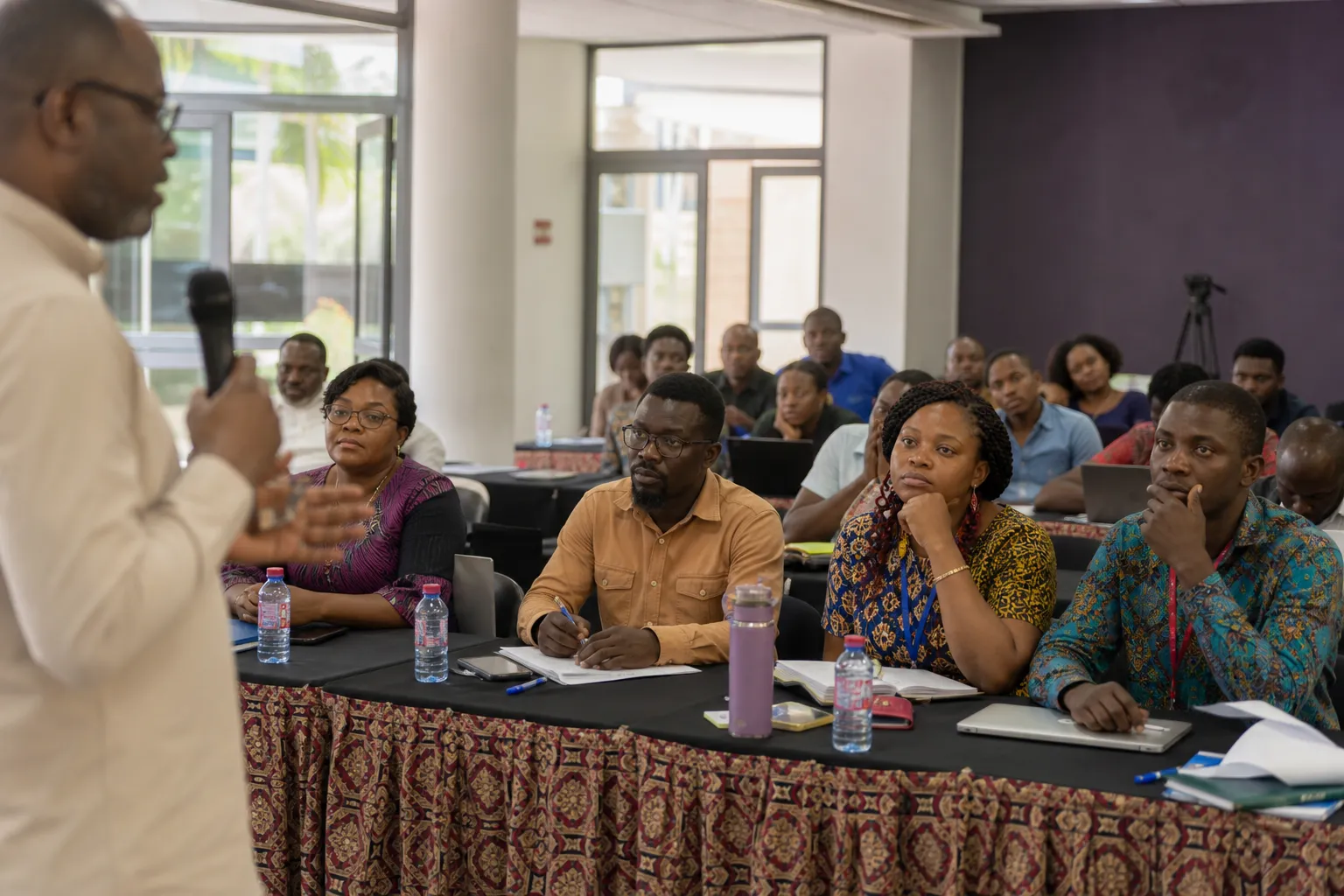
In Ghana, Richard Opoku, a representative of Chance for Childhood, and Rebecca Ekpe, vice president of the Ghana Journalists Association, called on the government to increase funding for inclusive education. They said that a lack of funds, insufficient teacher training and inaccessible school infrastructure prevent children with disabilities and special educational needs from fully studying in mainstream schools.
They spoke about this during a media seminar on disability and inclusive education held on September 8 at the British Council, MyJoyOnline reports. According to Opoku, insufficient funding is the main problem in implementing Ghana's Inclusive Education Policy, introduced by the Ministry of Education and the Ghana Education Service in 2015.
Proposal to increase spending
Opoku noted that funding for inclusive education had consistently accounted for less than 1% of the total education budget. He called for this share to be increased to at least 2%, including for teacher training and the purchase of appropriate educational materials.
More current news is available on the UA.News Telegram channel Telegram.
Ekpe also supported the proposal to increase funding. She said additional funds are needed to provide schools with learning tools, including assistive technologies that can remove barriers for children with disabilities.
Teacher training and school accessibility
According to data cited by Ekpe, more than 80% of teachers do not have the necessary training to work effectively in inclusive education. She also stated that around 80% of schools lack the necessary accessible infrastructure, including laboratories, toilets and appropriate furniture.
Ekpe said that approximately 1,700 children with severe communication impairments do not attend school. Opoku stressed the need for ongoing professional development for teachers, as well as the need to recognize and motivate teachers working with children with disabilities. Both speakers called on journalists to report responsibly on disability issues, give more space to the voices of people with disabilities themselves, and draw attention to local barriers in education.


