
Wars in Ukraine and Iran have accelerated the revolution in the field of maritime drones — Reuters
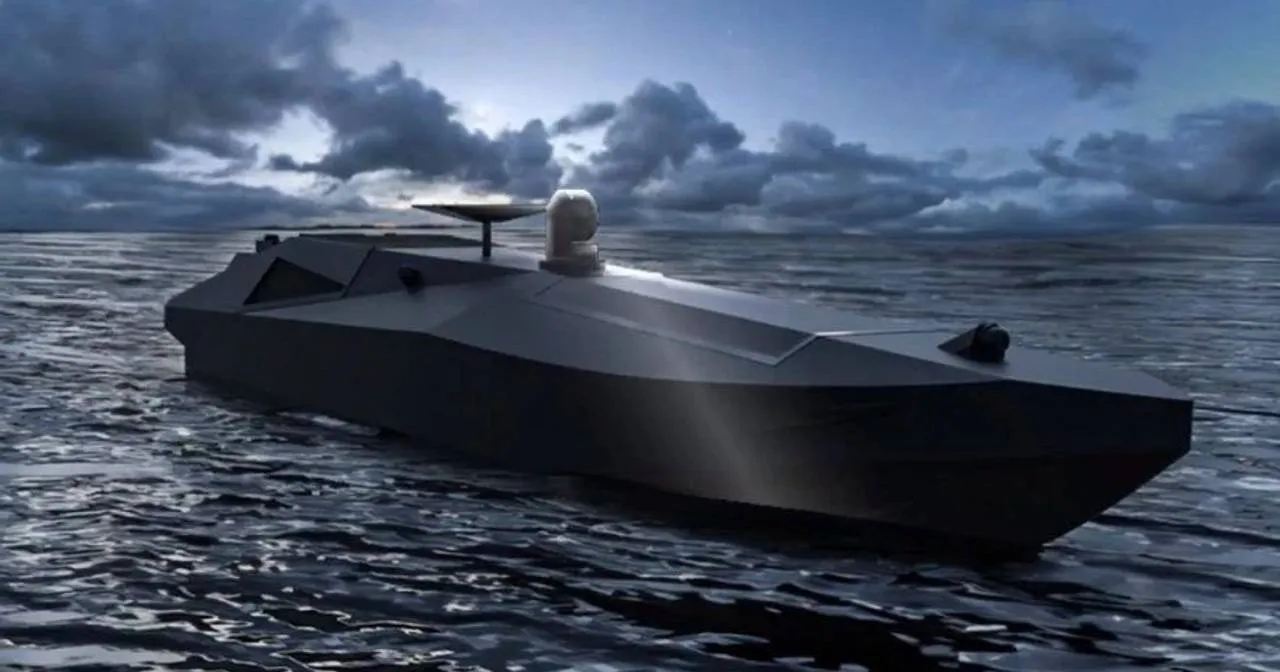
Ukraine has successfully driven the Russian Black Sea Fleet out of the surrounding waters using innovative maritime drones.
Reuters reports on this.
This experience has served as a catalyst for the world’s leading militaries, which now view such devices as the future of naval warfare.
Marine drones are becoming an increasingly popular tool of warfare due to their effectiveness and relative affordability.
The British company Kraken has already signed a contract to supply the first batch of 20 small strike drones to the Royal Navy.
In addition to the British, the U.S. Special Operations Command and the U.S. Navy have expressed interest in the technology.
Thanks to the influx of venture capital worldwide, companies specializing in autonomous maritime systems are rapidly emerging.
The industry’s production capacity is growing extremely rapidly. Kraken states that it is capable of delivering up to 500 remotely operated vehicles this year, and that this volume could double by 2027.
This expansion is made possible by strategic agreements with shipyards in Germany and the Pacific region.
The U.S. military is already actively testing similar systems, including BlackSea’s Global Autonomous Reconnaissance Craft (GARC).
U.S. Central Command has been testing unmanned platforms for most of the current decade.
Meanwhile, European countries have been honing their own technologies and skills within NATO’s specialized operational group, “Task Force X-Baltic.”
The capabilities of modern maritime drones are impressive in their diversity and combat power.
They can carry surveillance cameras, heavy machine guns, or enough explosives to destroy a large warship.
According to analysts, Iran has likely already used similar technologies during attacks on merchant ships. This is forcing defense companies to develop countermeasures, leading to another round of the technological arms race.
One of the main challenges is the creation of fully autonomous drones capable of operating without a stable communication channel.
This is critically important in conditions of active use of electronic warfare systems capable of jamming control signals.
Kraken founder Mel Chris emphasized that it is precisely the realities in Ukraine that have served as the foundation for improving drones.
He noted: “It is obvious that creating and delivering a high-quality, scalable product in a conflict zone involves certain difficulties.”
As a reminder, Russia is preparing naval drones for operations on the Dnipro River.
Ukrainian naval drones are now capable of shooting down aerial targets.


