
High prices weaken President Lula’s chances of re-election in Brazil — TimesLIVE
In Brazil, dissatisfaction with the cost of living is complicating President Luiz Inácio Lula da Silva’s campaign for a fourth presidential term. As TimesLIVE reports, polls over several months have shown Lula and Senator Flávio Bolsonaro — the son of former president Jair Bolsonaro — in nearly tied positions.
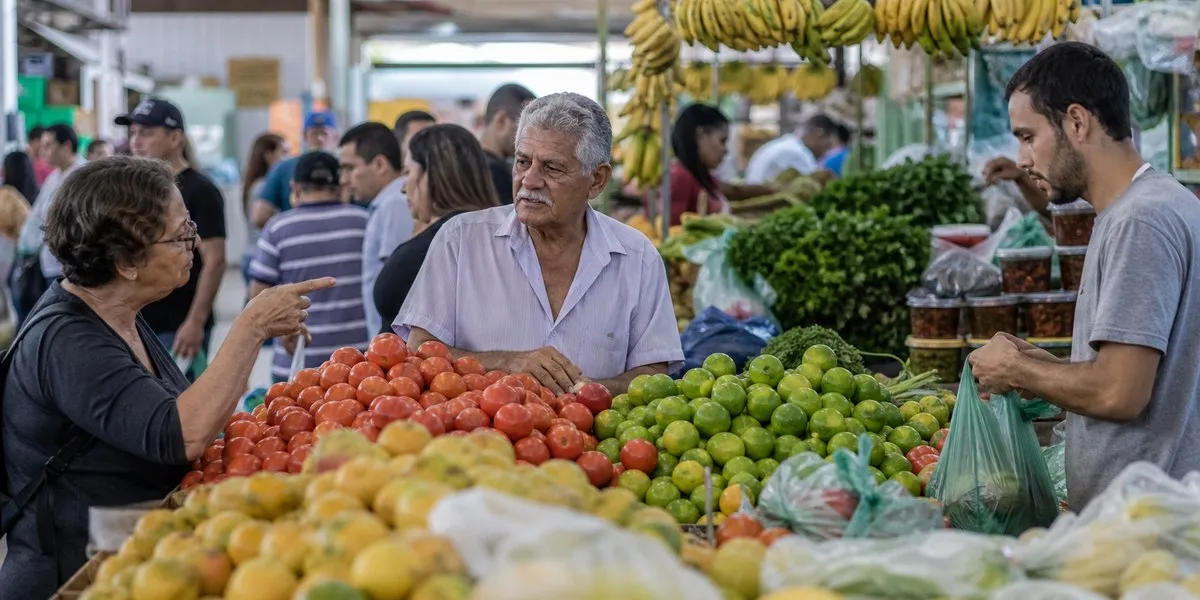
According to a Quaest poll published in September, nearly half of Brazilians believe that the state of the economy has worsened over the past year. Only 19% of respondents said it had improved. Flávio Bolsonaro has made the declining purchasing power of the population one of the central themes of his campaign and compares current supermarket prices with prices during his father’s presidency.
The gap between statistics and perceptions
Lula points to record-low unemployment, reduced inequality and easing inflation in recent months. At the same time, analysts point to a gap between macroeconomic indicators and the daily experience of families that continue to feel the effects of years of rising food prices.
More current news is available on the UA.News Telegram channel Telegram.
Although food inflation has slowed significantly, and prices even fell from June through August, they remain substantially higher than before the pandemic. Household debt servicing, excluding mortgages, reached a record 26.6% of income in June, according to central bank data. Families are also affected by expensive loans and rising spending on online betting.
Measures ahead of the vote
Two weeks before the first round, Lula announced a 15% increase in payments under a major social assistance program, which is to take effect before the second round of elections at the end of October. He also announced a decree banning online betting from October 6. According to the source, polls have not yet shown a noticeable impact of these steps on voter sentiment.
Bolsonaro promises to reduce food prices by cutting taxes, improving transport links, expanding grain storage facilities and increasing domestic fertilizer production. Lula, in turn, points to growth in agricultural production, state food reserves and expanded rural lending.




