
Vučić dissolved the Serbian parliament and called for early elections
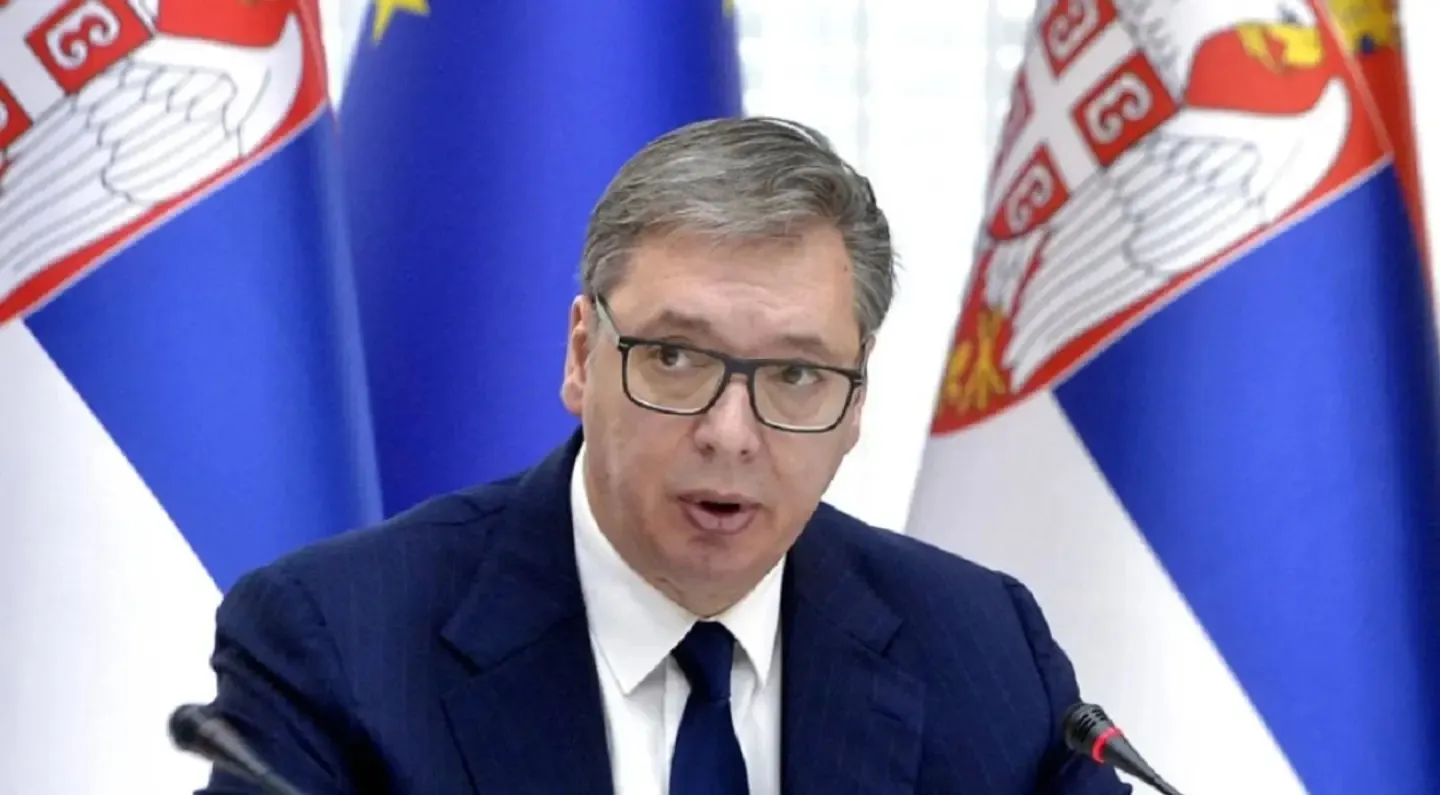
Serbian President Aleksandar Vučić dissolved parliament and called for early elections to the National Assembly on October 25. The decision was made amid ongoing student protests, anti-corruption demonstrations, and political tensions in the country.
On Wednesday, Vučić signed two decrees. With the first, he dissolved the National Assembly, and with the second, he scheduled early parliamentary elections for October 25, 2026. The next regular elections were not scheduled to take place until December 2027. Thus, Serbian voters will head to the polls more than a year earlier than planned.
Vučić explained his decision by citing the situation within the country. According to him, Serbia is experiencing significant social and political tensions, and further postponing the elections could create additional problems. The president also linked the early election to Serbia’s preparations for the EXPO-2027 international exhibition, which is set to take place in Belgrade. According to Vučić, delaying the elections could jeopardize both the country’s democratic processes and the preparations for this major international event.
Why the Protests in Serbia Are Continuing
The political crisis in Serbia has been ongoing for quite some time. One of the main causes of the large-scale protests was the collapse of a concrete canopy at the train station in Novi Sad in November 2024. The tragedy claimed the lives of 16 people. Following this, mass protests broke out across the country, which gradually evolved into a broader movement against the government.
Students were particularly active. They organized marches, blocked roads and universities, and demanded accountability for the tragedy and an investigation into possible corruption. The protests have been ongoing for nearly two years and have become one of the greatest challenges to Vučić’s government in recent times.
What the opposition accuses Vučić of
Opposition forces and protesters accuse the president and his political allies of corruption, pressuring opponents, and restricting media freedom. Opponents of the government also allege possible ties between certain government officials and organized crime.
Vucic himself and his supporters reject all these accusations. The government claims it is acting within the law and that the protests are being used to exert political pressure on the country’s leadership. Against this backdrop, the early elections are expected to reveal the true level of support for both the government and the opposition among Serbian voters.
Vucic Remains a Key Figure in Serbian Politics
Aleksandar Vučić remains one of Serbia’s most influential political figures. He has been at the center of the country’s political life for many years—first as prime minister and later as president. His Serbian Progressive Party dominates the country’s parliamentary politics. At the same time, the recent protests have significantly increased pressure on the government.
Now the battle will shift to the polling stations. Parties will have limited time to campaign and win over voters. For the opposition, this is a chance to capitalize on the dissatisfaction some segments of society feel toward the government. For Vučić, it is an opportunity to secure a new mandate of support and strengthen his position ahead of EXPO-2027.
What’s Next
Early parliamentary elections in Serbia are scheduled for October 25, 2026. By that time, the country’s political forces must have conducted their election campaigns and finalized their candidate lists. The main themes of the campaign will likely be the protests, corruption, the functioning of state institutions, and accountability for the tragedy at the Novi Sad train station.
At the same time, hosting EXPO-2027 in Belgrade remains important for Serbia. The government views the exhibition as a major international project and one of its top priorities for the coming years. Now the voters will have the final say. The results of the October vote will determine whether Vucic’s government can maintain its position amid months of protests. This was reported by N1.
The European Union and the United Kingdom have expressed outrage over the funeral of convicted war criminal Ratko Mladić, which took place in Belgrade, Serbia. Thousands of people attended Monday’s ceremony, including at least six Serbian ministers. Mladić was given a military funeral, and the service was led by the head of the Serbian Orthodox Church, according to Deutsche Welle English.
Alona Shevtsova, CEO of Sends, will moderate a C-suite panel discussion at the 17th Middle East Banking Innovation Summit (MEBIS 2026), which will take place on September 16–17 at the Jumeirah Emirates Towers in Dubai.


