
Hasakah deputy governor says SDF integration is nearing completion
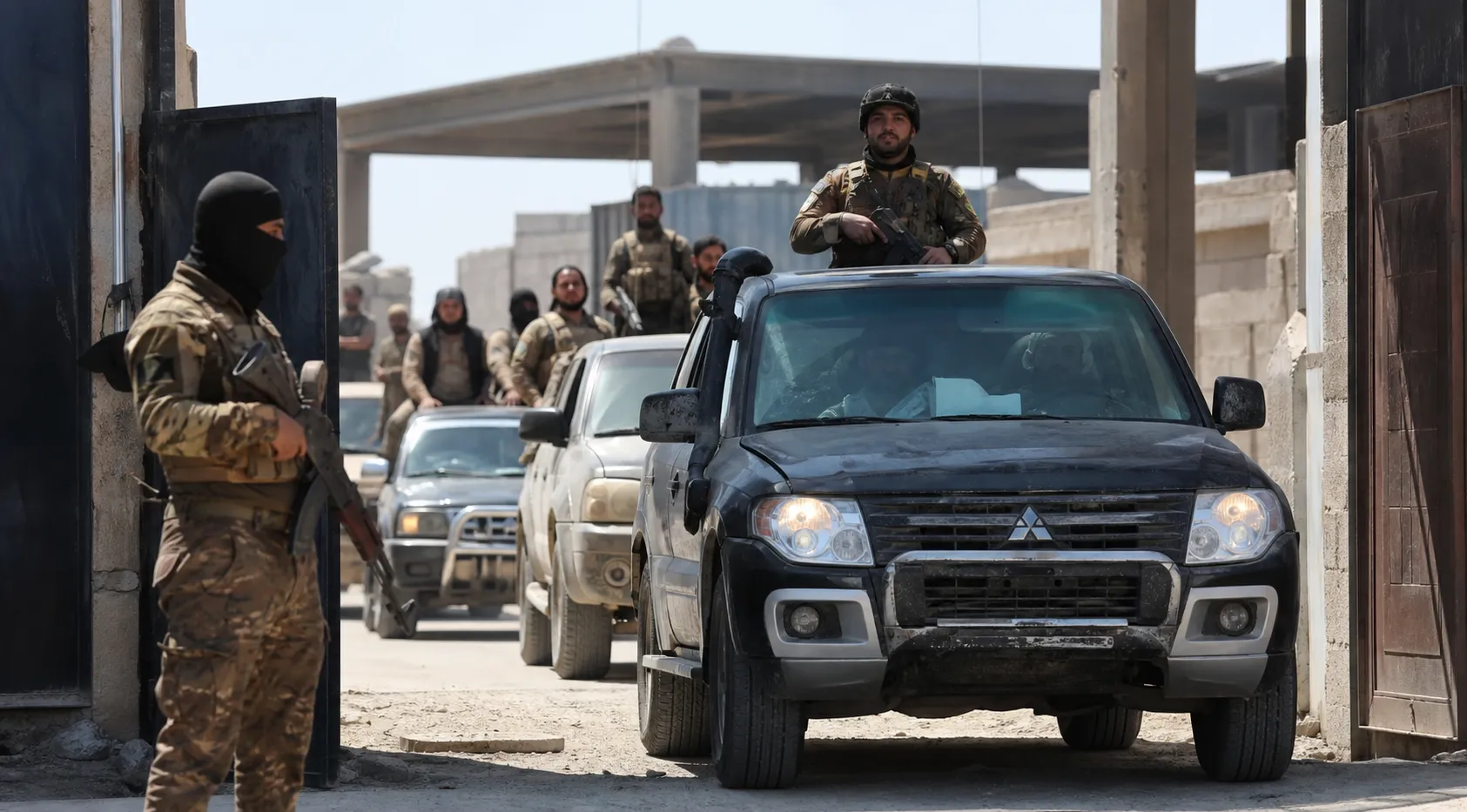
The integration of civilian, military and security structures in Syria’s Hasakah Governorate has moved from negotiations to practical implementation, Deputy Governor Ahmad al-Hilali said. He told Asharq Al-Awsat this while commenting on the implementation of the January 29, 2026 agreement between the Syrian government and the Syrian Democratic Forces (SDF).
According to al-Hilali, the security situation in Hasakah has “improved significantly,” while stability is gradually strengthening. He said the integration process is nearing completion and should proceed calmly, without provocations or tension.
Unification of institutions
The official stressed that integration is not limited to the transfer of buildings or the renaming of institutions. According to him, it involves unifying institutional powers, administrative decision-making, as well as security and military command under the auspices of the Syrian state.
According to the publication, SDF commander Mazloum Abdi announced the dissolution of the SDF and the former Kurdish autonomous administration on August 25 at the presidential palace in Damascus. After that, Asharq Al-Awsat reported, changes took place in Hasakah indicating a new stage: the restoration of state institutions’ presence, the unification of institutions and the end of administrative duplication.
More current news is available on the UA.News Telegram channel Telegram.
Al-Hilali did not provide a deadline for the full completion of integration, explaining that technical, administrative and security procedures need to be finalized. At the same time, he said that the main part of the work is already at the implementation stage.
Unresolved issues
Among the remaining issues, the deputy governor named the reorganization of personnel and the integration into Syria’s ministries of defense and interior of those who meet the established requirements. It is also necessary to regulate the status of employees of civilian structures, confirm their positions and determine mechanisms for paying the amounts due.
Other tasks concern the transfer of powers, the unification of work systems, databases and resources, as well as the handover to the state of institutions whose integration has not yet been completed. Al-Hilali called these not obstacles, but practical stages in implementing the agreements.
According to the publication, the January 29 agreement provided for a ceasefire, the gradual integration of military and civilian structures into state institutions, the transfer of border crossings, oil and gas fields, as well as the withdrawal of foreign fighters from the region.


