
In Ghana, UNU-INRA director calls on Africa to define its own green path
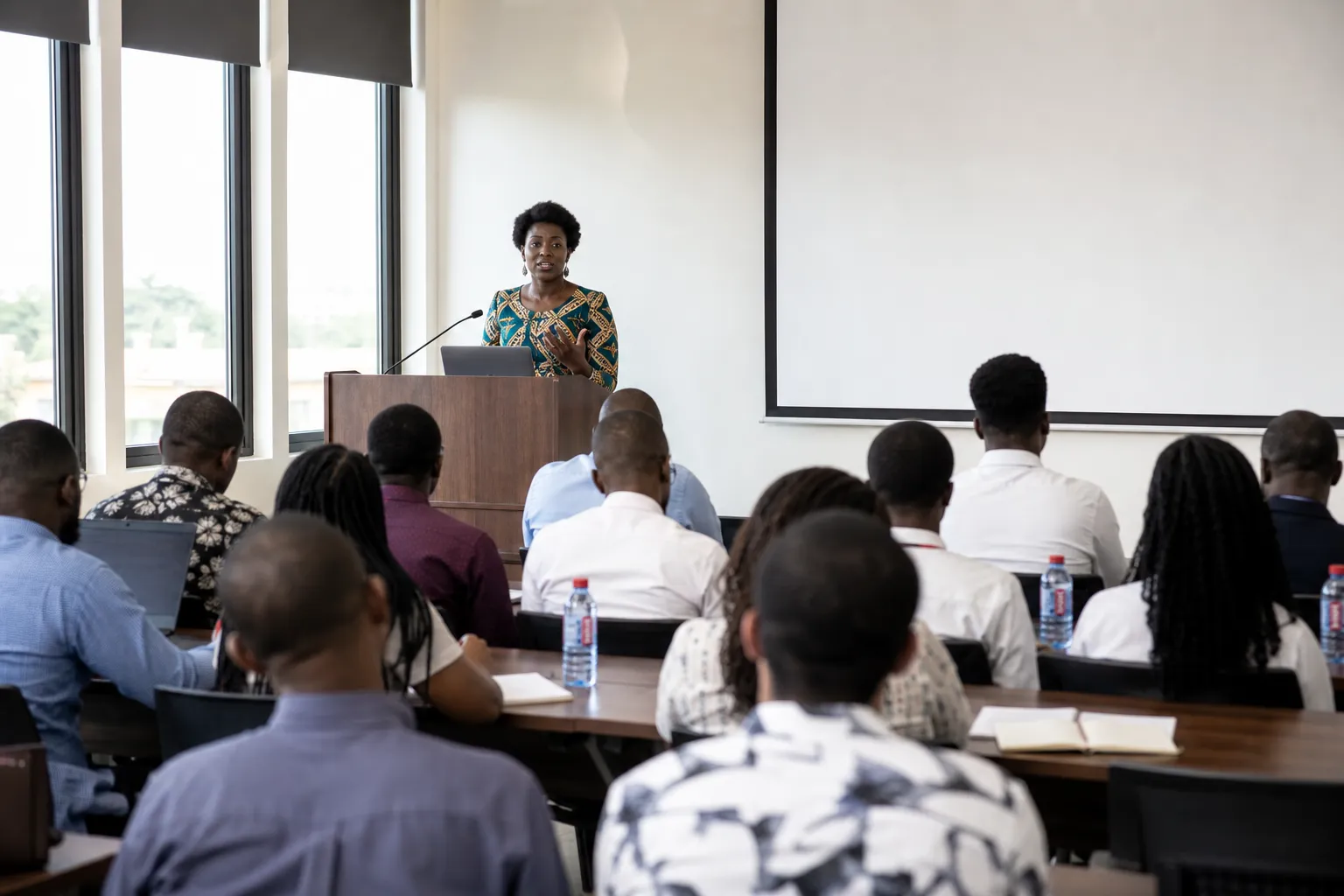
Fatima Denton, director of the United Nations University Institute for Natural Resources in Africa (UNU-INRA), said during a lecture in Accra, Ghana, that African countries should independently define their path toward a green transformation, taking into account the continent's development needs. MyJoyOnline reports.
Speaking at the eighth Kwapong Lecture Series, co-organized by UNU-INRA and the University of Ghana, Denton stressed that the green transition cannot be reduced solely to achieving net-zero emissions. According to her, around 600 million people in Africa lack access to electricity, so the continent needs to simultaneously expand energy access, create jobs, and ensure economic development.
Resources and development
Denton called for moving from rhetoric about transition alone to a long-term transformation that would correspond to the realities and aspirations of African countries. In her view, the continent's states should strategically use natural resources for inclusive growth rather than push them aside under the influence of global energy-transition narratives.
She also questioned the assumption that African countries can bypass conventional stages of development solely through new technologies. According to Denton, technological innovation does not guarantee development without strong institutions, reliable economic systems, and a solid social foundation.
More current news is available on the UA.News Telegram channel Telegram.
Contradictions of decarbonization
According to the UNU-INRA director, the move toward a low-carbon economy is accompanied by contradictions: demand for oil and gas remains high, while extraction continues in industrialized countries as well, including among major European producers. As an example of the difficult choice between development and decarbonization, she cited Mozambique's natural gas and liquefied natural gas resources.
Denton drew attention to the environmental and social costs of extracting critical minerals, the substantial water needs of green hydrogen production, and the risks posed by deep-sea mining to potentially vulnerable marine ecosystems. She also questioned whether climate finance can ensure a fair and sustainable transition if it increases the fiscal vulnerability of developing countries.
In Denton's view, carbon markets are influenced not only by market forces but also by politics and institutions. She called for African expertise and priorities to be taken into account when shaping energy and economic strategies, as well as for studying the experience of the private sector and local communities.




