
Chinese Festival Laba: Traditions and Symbolism
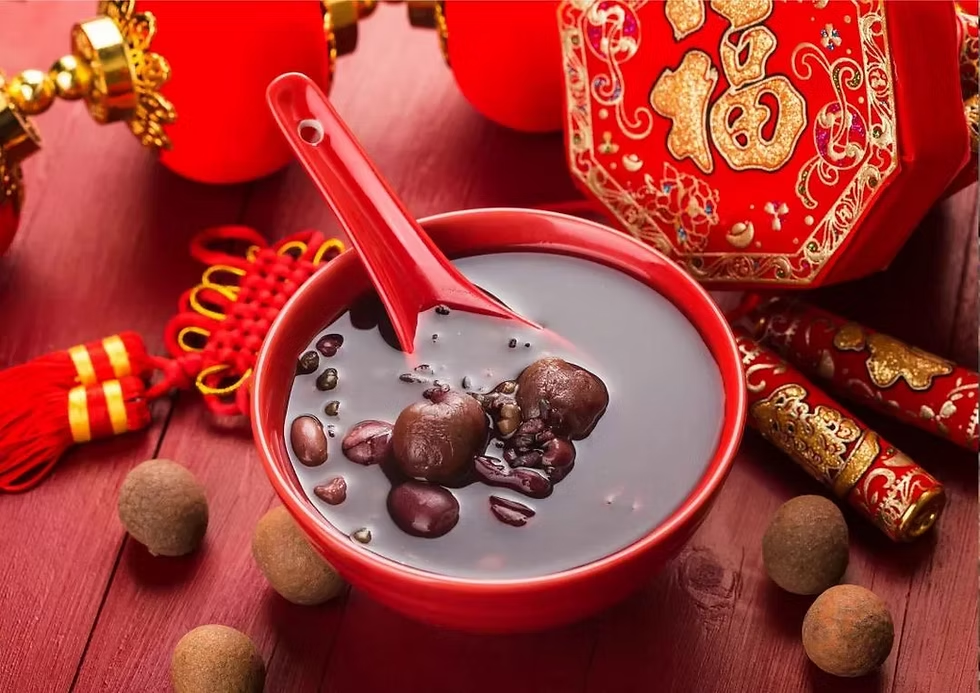
The Chinese celebrate Laba (腊八节), an ancient festival falling on the eighth day of the twelfth month according to the lunar calendar. This culturally significant event is centered around preparing Laba porridge, which was traditionally offered to the gods.
The traditional Laba porridge includes a mixture of several types of rice, beans, vegetables, meat, and dried fruits—with recipes often featuring up to 20 ingredients. The cooking begins at midnight and continues until dawn, symbolising unity and abundance.
In addition to porridge, people prepare Laba garlic (腊八蒜), marinating garlic in vinegar. This dish relates to the custom of settling debts before the New Year, as the word for “garlic” (蒜 suan) resembles the word for “to settle accounts” (算).
The Laba festival preserves ancient Chinese traditions, highlighting the importance of family unity and harmony ahead of the new year.
The festival's popularity helps maintain cultural heritage and pass it down through generations, reminding people of the value of mutual understanding and prosperity within the family.
