
Gold Surprised the Market with a Sharp Rise in Price — Reuters
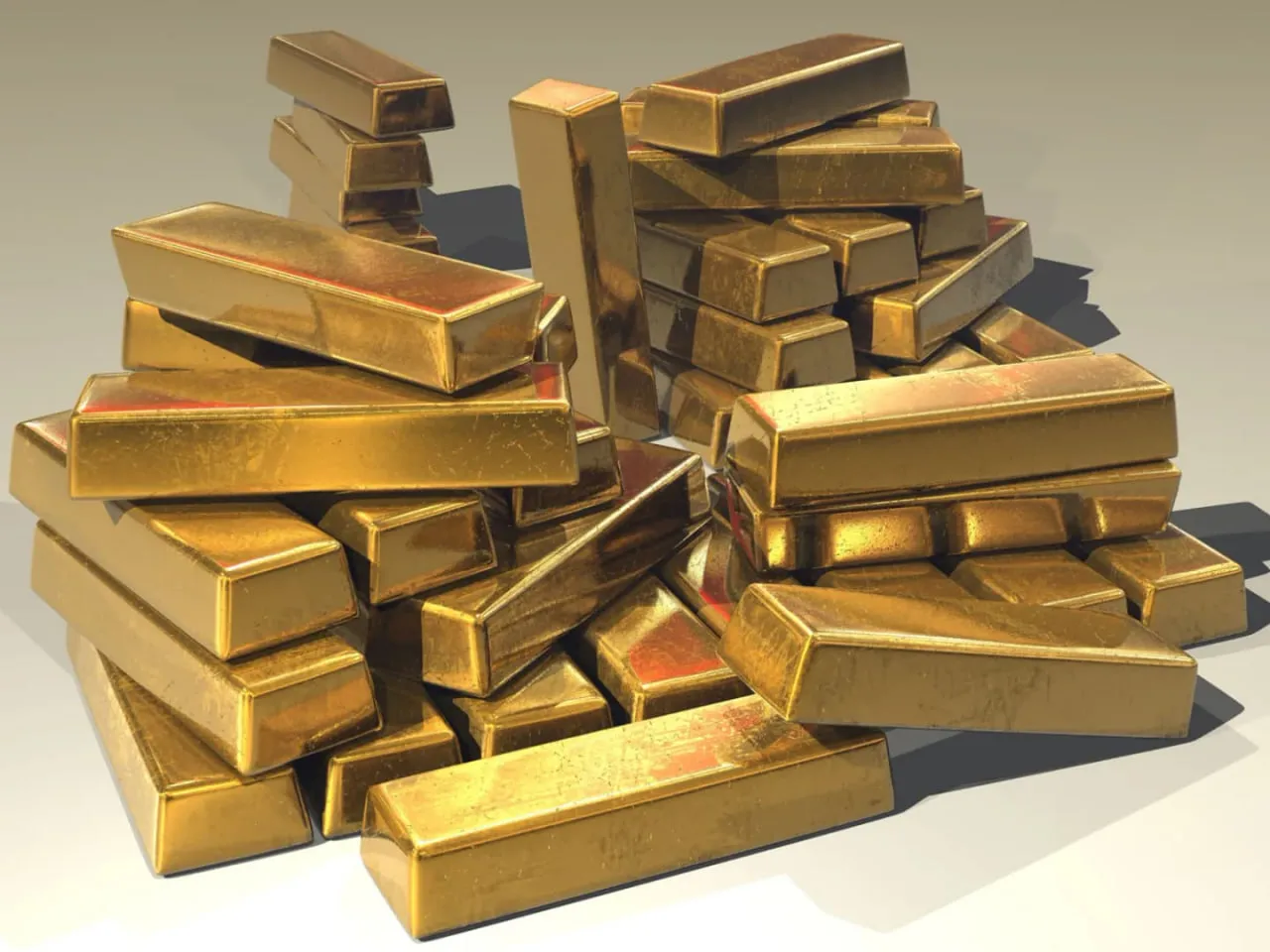
In August, the price of gold rose by approximately 9%, indicating a recovery in demand for the precious metal as a safe-haven asset. Following a recent drop from its all-time high, its price has once again approached $4,400 per ounce.
It should be noted that despite this optimistic trend, whether gold continues to strengthen or weaken in the financial market will depend on the situation in the Middle East, oil prices, and the policies of the U.S. Federal Reserve.
In August, the price of gold returned to around $4,400 per troy ounce. Prior to this, the precious metal experienced a sharp decline: after reaching a historic high of approximately $5,595 in January, its price fell below $4,000 in June.
Analysts note that over the past few weeks, gold has broken through several key technical resistance levels. There are also signs that major institutional buyers are returning to the market.
James Steel, HSBC’s chief precious metals analyst, suggested that the scale of the recent rally may indicate increased activity by central banks or sovereign wealth funds. However, there is no confirmed data on specific major buyers yet.
Why Gold Is Regaining Ground
China remains one of the factors supporting the market. In July, the People’s Bank of China increased its gold reserves by 20 metric tons, bringing the total to 2,366 metric tons. This marked the largest monthly purchase since October 2023 and extended the streak of gold reserve increases to 21 consecutive months.
Investor interest in gold exchange-traded funds is also rebounding. In July, these funds recorded about $3 billion in net inflows after two months of outflows. The total gold holdings in such funds increased to over 4,000 metric tons.
What Triggered the Drop in the Precious Metal’s Price
Despite its traditional status as a “safe haven,” gold initially dropped sharply in price after the war with Iran began. Amid market panic, investors sold assets to secure cash liquidity.
The rapid rise in oil prices created additional pressure. High energy prices heightened inflationary risks and expectations of tighter monetary policy by the U.S. Federal Reserve.
Higher interest rates and yields on U.S. Treasury bonds traditionally have a negative impact on gold, as the precious metal itself does not generate interest income.
In the second quarter, gold ETFs saw outflows of about 45 metric tons of gold, and the price of gold fell by approximately 14%, marking the largest quarterly decline since 2013.
What’s Happening with Gold on August 18
On Tuesday, August 18, gold retreated slightly after its previous rise. The spot price fell by about 0.4% to around $4,397 per ounce.
Several opposing factors are simultaneously influencing prices. On the one hand, renewed tensions surrounding Iran are boosting demand for safe-haven assets. On the other hand, it is pushing up oil prices and U.S. Treasury yields, which is putting pressure on gold.
On August 18, Brent crude was trading near $91.8 per barrel amid deteriorating prospects for a diplomatic resolution between the U.S. and Iran.
At the same time, weaker U.S. economic data has dampened expectations of another Fed rate hike. This, conversely, is a positive factor for the precious metal.
Context
Gold is considered one of the primary safe-haven assets during periods of war, financial crises, and high inflation. Investors use it to preserve capital amid sharp fluctuations in stock markets, currencies, and other assets.
However, the current conflict surrounding Iran has been an atypical example. At the start of the conflict, geopolitical tensions did not support gold; on the contrary, they triggered a sell-off. Investors needed liquidity, while the sharp rise in oil prices increased the risk of accelerating inflation and the prolonged maintenance of high interest rates in the U.S.
The situation began to change in the summer. Central banks once again stepped up their purchases of the precious metal. In the second quarter, they purchased approximately 289 metric tons of gold on a net basis, a record high for that time of year.
At the same time, total central bank purchases in the first half of the year were weaker than in previous years due to significant gold sales by certain countries. Thus, the recovery in demand cannot yet be described as uniform.
According to the World Gold Council, total global demand for gold, including over-the-counter transactions, reached approximately 2,522 metric tons in the first half of the year, up 2% from a year earlier. In monetary terms, demand reached a record high of about $380 billion.
The future market situation will largely depend on the Fed’s policy. If the central bank refrains from another rate hike or shifts to a more accommodative policy, gold could receive additional support. At the same time, another sharp rise in oil prices and inflation could once again push U.S. bond yields higher and put pressure on the precious metal.
The $4,500-per-ounce level remains technically significant for gold. Analysts view a sustained break above this level as one of the possible signals of a full-fledged return to an uptrend.
Currently, gold is gradually regaining its financial appeal, but the market has not yet returned to the conditions that existed before the war began. Future price movements will be determined simultaneously by geopolitical risks, the situation in the oil market, the actions of central banks, and decisions by the U.S. Federal Reserve.
This was reported with reference to Reuters.
Russia has begun selling gold more actively due to the costs of the war.
Gold prices fell below $4,500 per ounce for the first time since February.




