
Saudi pipeline shutdown could cut global oil supplies by 4%
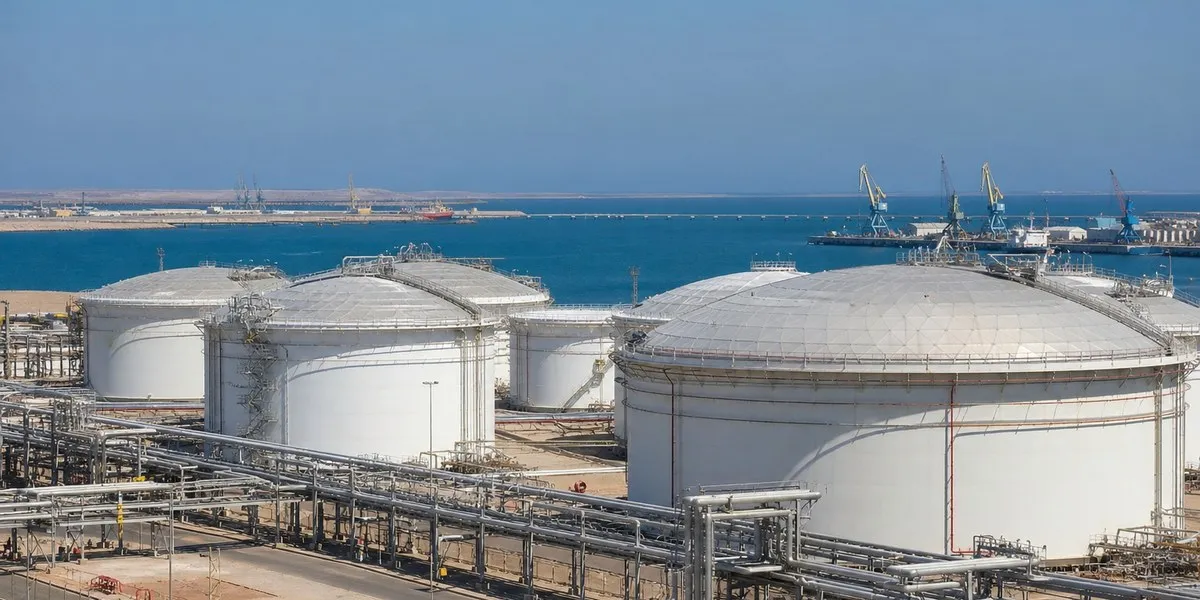
In Saudi Arabia, oil reserves for exports could be depleted within just a few days due to the shutdown of a major east-west oil pipeline. Oil traders and buyers of Saudi crude believe that without the route resuming operations, the global market could lose up to 4% of oil supplies, Channel NewsAsia reports, citing Reuters.
Route to Yanbu port
Following drone attacks, Saudi Arabia halted operations of the pipeline on September 11, which transported oil across the Arabian Peninsula to the Red Sea port of Yanbu. Riyadh has not disclosed full information about the extent of the damage or the duration of the route's outage.
Reuters sources provide different estimates of the repair duration. According to one interlocutor, restoration could take five to six weeks. Another source said repairs could be faster, with oil pumping partially restored before all work is completed.
Over the past six months, this pipeline has enabled Saudi Arabia to redirect about 4 million barrels of oil per day to Yanbu, bypassing the Strait of Hormuz. This volume is equivalent to approximately 4% of global oil supplies.
More current news is available on the UA.News Telegram channel Telegram.
Reserves will last for several days
According to three sources familiar with Saudi exports, reserves in Yanbu will be sufficient to maintain shipments for only five to seven days. Another source said Saudi Arabia has reserves to supply clients for several days at the Egyptian ports of Ain Sokhna on the Red Sea and Sidi Kerir on the Mediterranean Sea.
According to industry estimates, storage capacity in Yanbu amounts to about 35 million barrels. Ain Sokhna can store 18 million barrels, while Sidi Kerir can store 20 million barrels. At the same time, sources said these tanks are not fully filled, and without the pipeline being restored, reserves will eventually be depleted.
Production and supply cuts
The International Energy Agency said on September 11 that oil supplies from Saudi Arabia fell in August to their lowest level in more than three decades due to reduced flows through the Strait of Hormuz and the Red Sea. The agency also forecast that global oil supplies would decline by 5.7 million barrels per day this year, or approximately 6%.
Saudi Arabia informed OPEC last week that its production fell in August to 6.2 million barrels per day, compared with 10.9 million barrels per day in February. According to industry sources, flows through the Strait of Hormuz slowed to 6–9 million barrels per day.


