
South African Reserve Bank to test shared ATMs in January — TimesLIVE
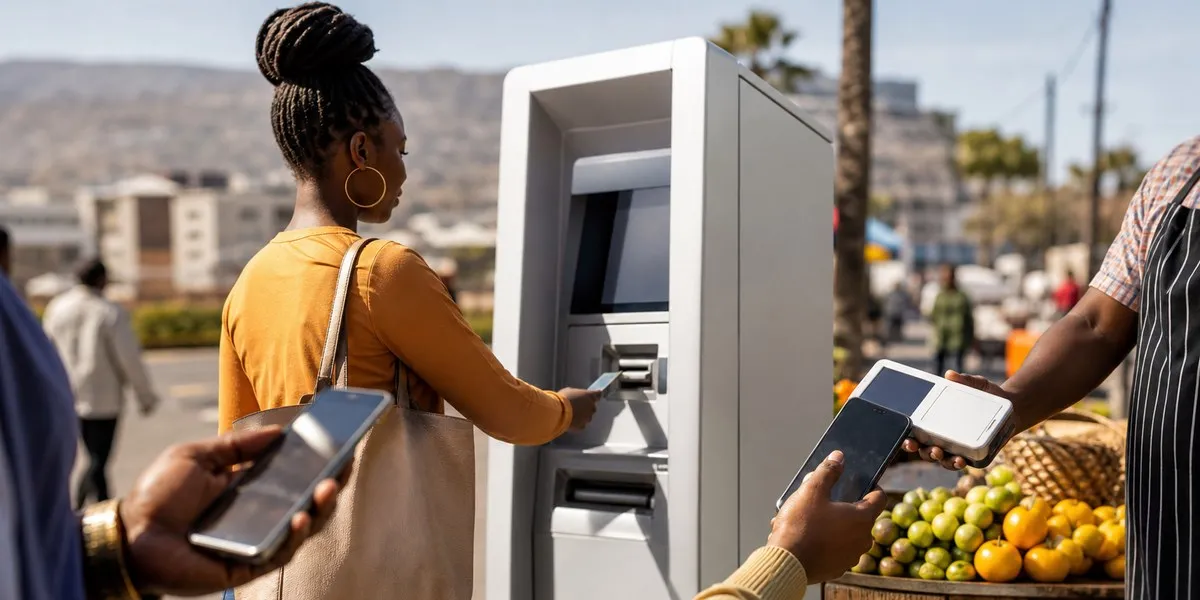
The South African Reserve Bank plans to launch a pilot project of ATMs not tied to individual banks in January 2027. Such devices are intended to allow customers of different banks to withdraw cash with minimal fees. The regulator intends to roll out the first batch of ATMs across the country by the end of 2027, TimesLIVE reports.
Access to cash
According to a study, cash accounts for about 56% of all consumer transactions in South Africa by number, while annual costs associated with its use amount to approximately 88.5 billion rand. The central bank notes that millions of the country’s residents, primarily low-income people, continue to need cash, including for daily trips by minibus taxi.
At the same time, access to money is expensive for such customers, including because of the limited number of ATMs in the areas where they live. The shared ATM initiative is part of the Cash Smart strategy aimed at reducing the cost of accessing cash.
More current news is available on the UA.News Telegram channel Telegram.
Digital payments and competition
Reserve Bank Governor Lesetja Kganyago said that allowing fintech companies, payment specialists and other non-bank institutions into the payment system would strengthen competition with traditional banks, spur innovation and reduce costs. The regulator is preparing a new system of permits and exemptions for non-bank companies and expects to publish it by the end of November.
The bank is also developing PayShap, an instant transfer platform launched in 2023. Since then, it has processed more than 1 billion transactions worth over 1 trillion rand, although the volume of such transactions is still less than 40% of the volume of credit EFT transfers.
Other planned steps include piloting in the first quarter of 2027 a unified QR+ QR code standard for accepting payments by small businesses and street vendors. The Reserve Bank is also working on a unified digital identity for payments, which is expected to allow verified customer data to be reused with the customer’s consent.




