
Italian companies prepare agricultural mechanization mission to Algeria — The Rio Times
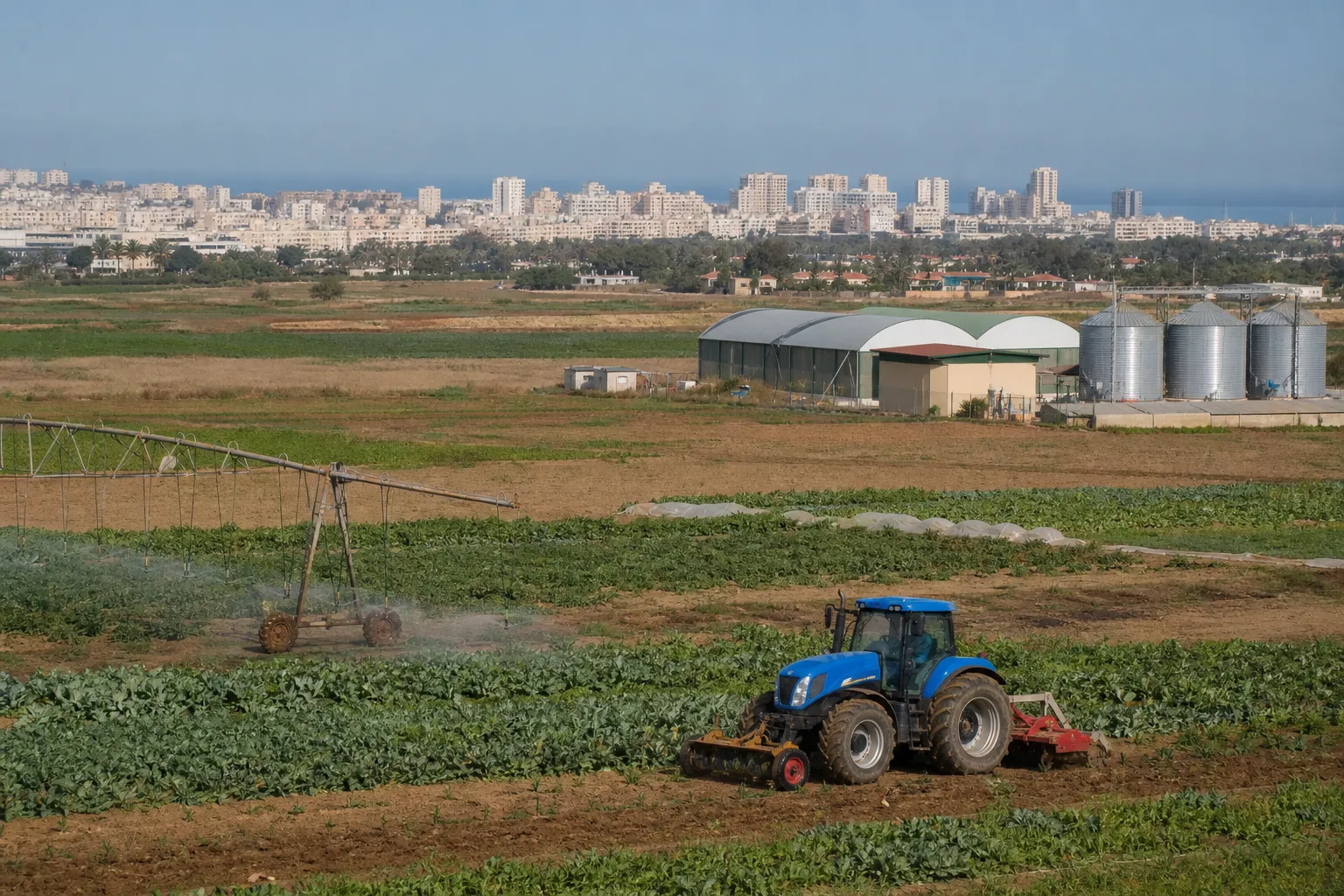
About 15 Italian companies will visit Algeria on September 28–29, 2026, to establish cooperation in agricultural mechanization, smart irrigation and digital agricultural production. The mission is organized by the Italian Trade Agency (ICE) together with FederUnacoma, the federation of agricultural machinery manufacturers, The Rio Times reports.
Negotiations and farm visits
On the first day in Algiers, an introductory seminar, presentations by institutional representatives and business meetings between Italian companies and Algerian operators from the public and private sectors are planned. The following day, the delegation will visit farms in the capital region.
The program covers equipment for crop production and livestock farming, smart irrigation systems, digital technologies in the agricultural sector, fruit and horticultural nurseries, as well as solutions for product storage. No contracts related to the upcoming trip have been announced so far.
More current news is available on the UA.News Telegram channel Telegram.
Trade in agricultural machinery
Italian exports of agricultural machinery and technologies to Algeria amounted to nearly €35 million in 2024, up 34.9% from the previous year. Italy ranks second among suppliers of such equipment to Algeria after China.
According to Davide Gallarate from FederUnacoma's events department, in the first two months of 2025, Italian exports to Algeria reached around €5 million, increasing by 56.5% year on year. Equipment for livestock farming accounted for the largest share, while supplies of machinery for harvesting and primary crop processing were also significant.
Modernization of the agricultural sector
Algeria seeks to increase cereal production and reduce its dependence on food imports. According to ICE estimates, agriculture accounts for around 15% of the country's GDP, while approximately 70% of agricultural activity still relies on traditional methods. The agency cites more efficient water resource management, higher yields of strategic crops and the development of product storage capacity among the sector's key needs.


