
New World screwworm infection confirmed in a horse in New Mexico — The Hill
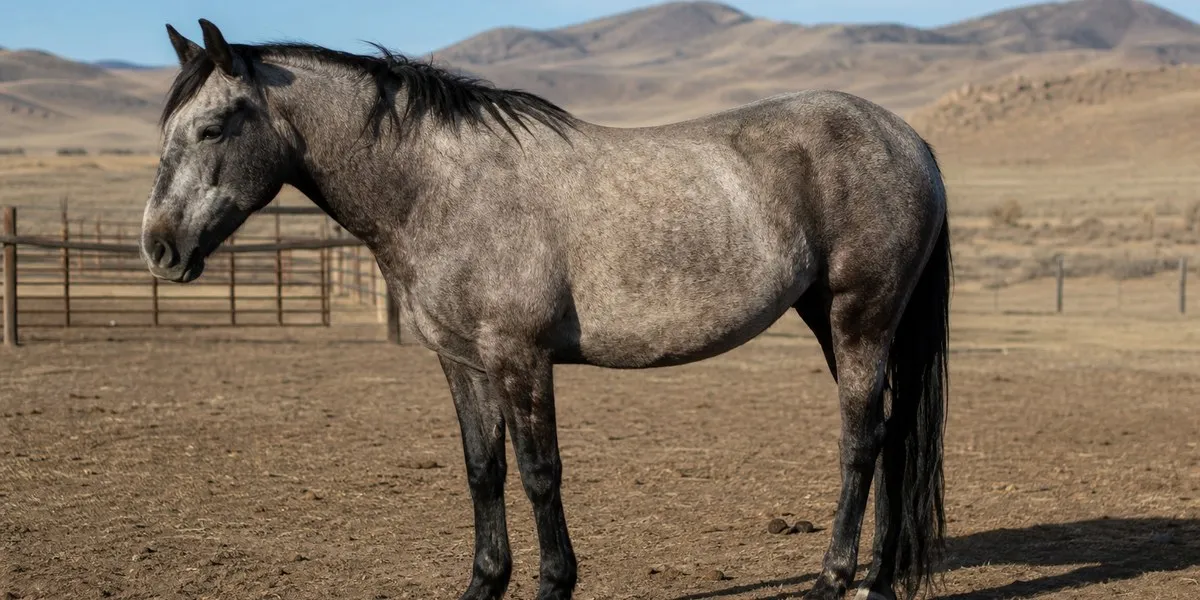
A horse in Grant County, New Mexico, United States, has been confirmed to be infected with the New World screwworm. This is the second confirmed case in the state since the parasite entered the United States from Mexico in June, The Hill reports, citing the Department of Agriculture.
Case near the Mexican border
The infected animal was found in Grant County, near the Mexican border. The case was confirmed on September 17, several days before the planned resumption of cattle imports from Mexico through the Santa Teresa port of entry in New Mexico.
On the same day, U.S. Agriculture Secretary Brooke Rollins said that the Department of Agriculture was preparing to open this port of entry for cattle imports on September 24. According to the New Mexico Department of Agriculture, the horse's infection had not yet been confirmed at the time of that statement.
More current news is available on the UA.News Telegram channel Telegram.
Data on the parasite's spread
The U.S. presidential administration suspended cattle imports through the southern border last year in an effort to contain the spread of the New World screwworm. Imports were resumed last month through a port of entry in Arizona as part of a phased reopening.
The U.S. Department of Agriculture has tracked 50 confirmed infections in the country since the first outbreak report on June 3. As of September 17, three cases remained active. Four cases were reported in August, all of them in Texas. Of the two cases recorded in September, one was detected in Texas and the other in New Mexico.
Infestation occurs when fly larvae enter an open wound and feed on the living tissue of warm-blooded animals. Without treatment, the parasite can kill an animal. The U.S. Centers for Disease Control and Prevention assessed the risk to people as very low; no human infections have been reported.


