
In South Africa, vineyards and wheat seek new survival models — Daily Maverick
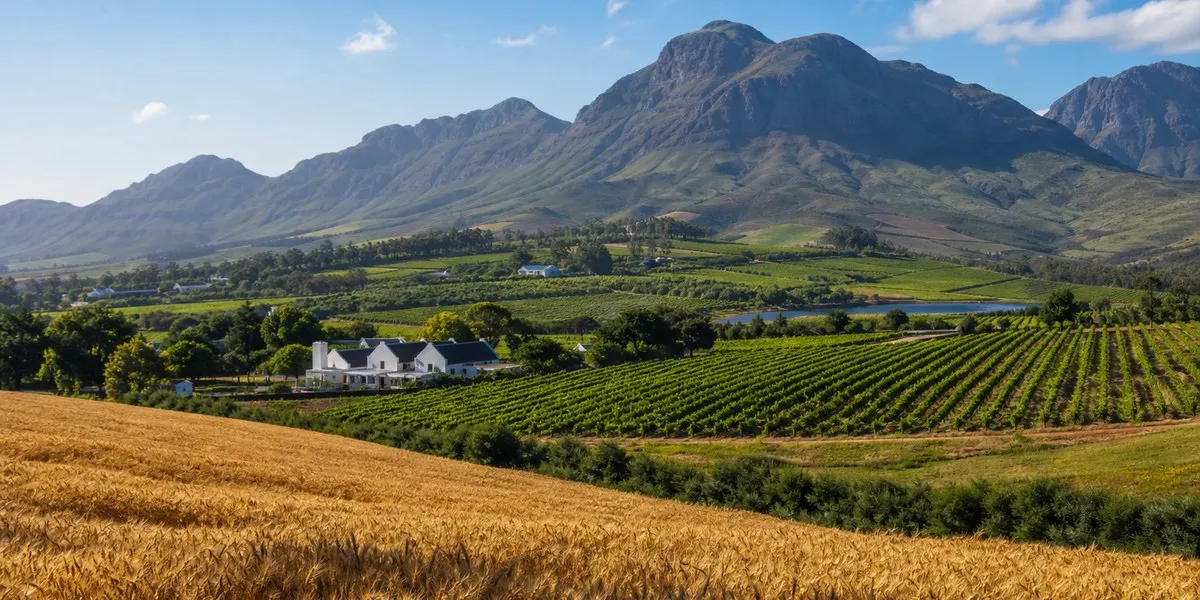
In South Africa’s Western Cape province, vineyards, wineries and wheat farms are increasingly dependent not only on harvests, but also on tourism, outside capital, income diversification and the ability to withstand adverse weather seasons. This is stated in the concluding part of a Daily Maverick series on the future of wheat and grape growing in the region.
According to the publication, vineyards can be supported by restaurants, cottages, weddings, tasting rooms, olive oil production, cycling routes and owners who made their fortunes in other industries. Under this model, a farm sells not only wine, but also a tourist experience, scenery and a lifestyle.
Wheat without tourism income
Wheat farms do not have similar opportunities to earn money from visitors. Therefore, the publication names larger production scale, diversification and funds from other sources that help weather loss-making years as ways for them to survive. Farmer Michiel Smuts of the family farm Grasrug can partially cover losses thanks to investments outside the farm.
More current news is available on the UA.News Telegram channel Telegram.
Modern machinery, chemical protection products and precision farming are meant to reduce uncertainty, but they also increase farmers’ costs. Producers pay Cape-region prices for equipment and resources, while grain prices are shaped by processes far beyond the region.
Weather and environmental costs
For wheat, rainfall in the right months matters, rather than only a sufficient annual amount of rain. Vineyards need years of care to bear fruit well, but hail can quickly destroy a harvest, while smoke can ruin a vintage without even burning a single row of vines.
Daily Maverick also draws attention to the environmental costs of monocultures. Cheaper methods of controlling weeds, fungi and insects can be harsher, while more careful farming with reduced use of chemicals, less soil disturbance and restoration of living soil requires higher costs. In the publication’s view, vineyards will increasingly survive as prestigious brands, tourist destinations or assets supported by other funds, while grain production will move toward fewer, larger and better-capitalized operators.


