
US wheat, soybean and corn futures rise
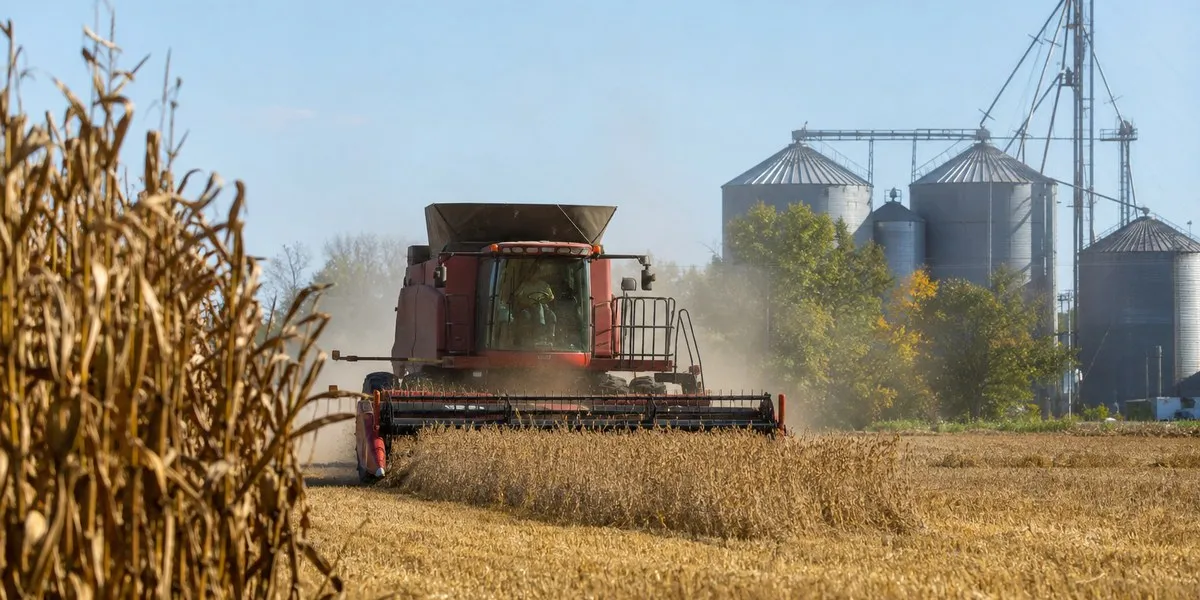
In the United States, wheat futures have risen by 43% since the start of 2026, soybean futures by 24%, and corn futures by 20%. Rising prices for key agricultural crops are increasing the risks of food inflation amid high energy costs, MarketWatch reports, citing FactSet data.
Reasons for the rise in crop prices
Soybean prices rose after a major US deal to sell soybeans to China, which reduced available supply. Corn became more expensive due to lower yield estimates in the United States: heat and drought forced the US Department of Agriculture to cut its harvest forecast for the second consecutive time.
The wheat rally is linked to the geopolitical situation in the Black Sea. The resumption of attacks by Russia, the aggressor state, and Ukraine on Black Sea shipping routes, according to the publication, limited Ukrainian wheat exports.
Mason Mendez, an analyst at Wells Fargo Investment Institute, noted that higher costs for diesel fuel, fertilizers and other agricultural production inputs are increasing farmers' expenses and supporting higher agricultural commodity prices.
More current news is available on the UA.News Telegram channel Telegram.
Pressure on inflation and Fed expectations
According to the US Bureau of Labor Statistics, food inflation in the country rose by 0.1% month-on-month in August. Meat, chicken, fish and eggs became more expensive, while prices for food away from home increased by 0.3%.
The Bloomberg Commodity Index, which tracks futures contracts for more than 20 physical commodities, traded last week at levels not seen in more than a decade. In addition to agricultural raw materials, oil, copper and uranium took part in the commodities rally.
Oil prices exceeded $100 per barrel amid the war in Iran, MarketWatch notes. According to the CME FedWatch Tool, as of Friday, traders in Fed rate futures were pricing in at least two rate hikes by the end of 2026. The probability of the first such decision as early as this week, when Fed officials were due to meet on September 15–16, was estimated at more than 85%.




