
Eucalyptus Oil Producers in Australia Invest in Distilleries — ABC News Australia
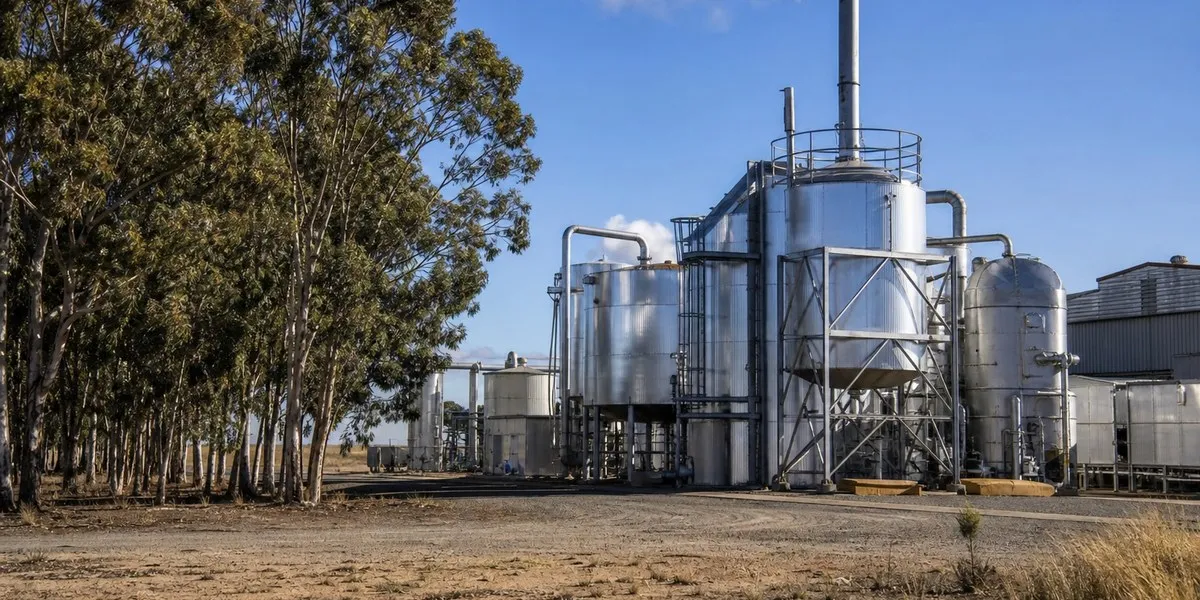
In Australia, two major producers of blue mallee eucalyptus oil are investing millions of dollars in distilleries, leaf-harvesting machinery and the breeding of high-yielding trees. The companies aim to strengthen the industry's competitiveness amid cheaper imported products, ABC News Australia reports.
Family company GR Davis in West Wyalong, New South Wales, has spent more than $6 million on a new high-efficiency distillery and eucalyptus harvesting equipment. According to family representative Annabel Davis, the oil is exported to more than 20 countries for use in pharmaceutical products, disinfectants and confectionery.
The new distillery has made it possible to increase production and efficiency by about three times compared with the previous facility. Australia produces about 5% of the world's eucalyptus oil.
Competition with imports
Australian eucalyptus trees are grown in many countries, including China, where fast-growing Tasmanian blue gum is primarily cultivated for timber. Its leaves are also used to produce oil. The report notes that this oil is cheaper, while lower grades of imported eucalyptus oil are sometimes fraudulently substituted with camphor oil.
More current news is available on the UA.News Telegram channel Telegram.
In central Victoria, FGB Natural Products invested $10 million in modernising production. Managing director Teagan Abbott said that China is the world's largest producer of eucalyptus oil, so the investment is intended to ensure local and sustainable Australian production. The COVID-19 pandemic increased attention to hygiene and caused a surge in local sales.
Breeding trees with high oil content
The Davis family planted 5 million selectively bred trees, while the Abbott family planted a similar number on plantations near Wedderburn. These plants were the result of decades of genetic selection and propagation. University of Melbourne scientist Jason Goodger explained that ordinary blue mallee eucalyptus contains less than 1% oil, whereas at least 4% was needed for plantations to be economically viable.
The new improved trees have an oil content of about 7%. Producers intend to continue breeding trees with higher oil content.


