
Sugarcane producers in Kenya suffered losses of 46 billion shillings
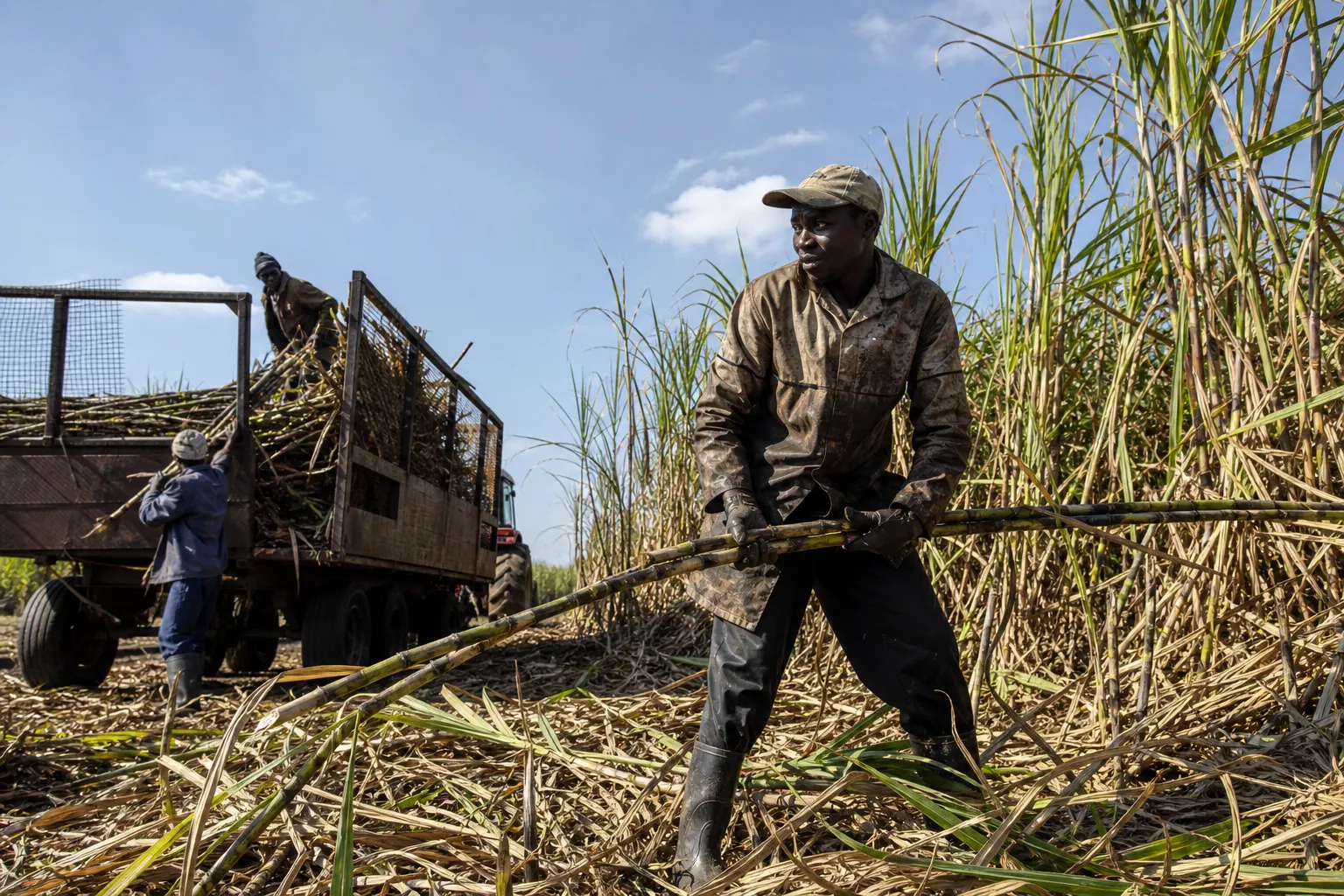
Kenya’s sugar industry remains in deep decline despite reforms intended to improve farmers’ situation. Sugarcane producers incurred crop-related losses of 46 billion Kenyan shillings between 2014 and 2024, according to an editorial by Nation Kenya.
According to the publication’s assessment, the sector’s decline is particularly affecting western Kenya, where sugar mills previously created jobs and provided income. Droughts, floods and pests complicate harvesting and reduce the sucrose content of cane.
Payment delays and outdated equipment
Many state-owned sugar mills have outdated equipment that frequently breaks down, delivers low sugar extraction rates and causes high operating costs. Farmers face lengthy delays in payment for cane, which, the publication notes, pushes them into debt.
More current news is available on the UA.News Telegram channel Telegram.
Profitability of cultivation is also reduced by the high cost of seed cane, fertilizers, fuel, transportation and labor. Delays in harvesting and transporting crops further reduce income. Local processors and farmers compete with cheap imports.
Figures from the Senate report
The editorial cites data from a report by the Kenyan Senate Committee on Agriculture, according to which the sugar subsector contracted by 27.2% last year. Workers at state-owned sugar enterprises are owed 8.98 billion shillings in salaries, pensions and other payments.
Outstanding statutory and administrative deductions for permanent and temporary workers amounted to 2.8 billion shillings as of October last year. The Sugar Act 2024 introduced changes to pricing, payment deadlines for farmers and import regulation, but its implementation, according to Nation Kenya, remains weak and inconsistent.




