
Victoria delays new poultry rules over H5N1 — ABC News Australia
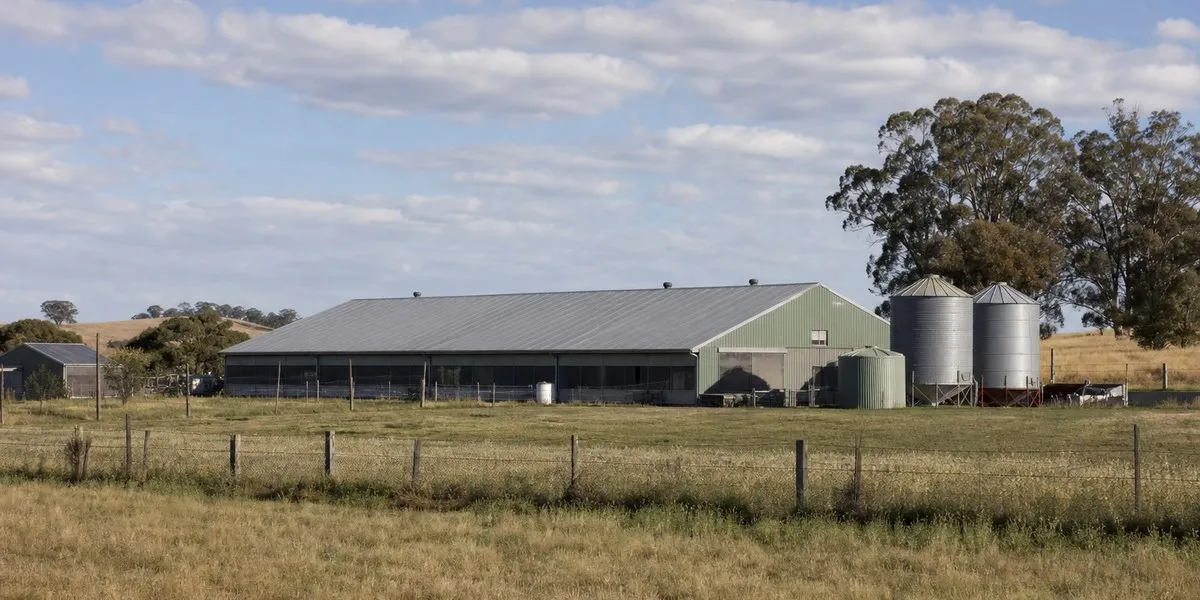
Australia’s state of Victoria has postponed the introduction of stricter rules for poultry keeping and egg production by one year because of an H5N1 bird flu outbreak. The changes, which were planned to be introduced by mid-2026, are now due to take effect in mid-2027, ABC News Australia reports.
Rules postponed
In April, the Victorian government announced its intention to enshrine new poultry welfare standards in legislation. They are part of a national agreement to gradually phase out conventional cages for laying hens by 2036.
State Agriculture Minister Ros Spence said the 12-month delay would give producers more time to prepare for the new requirements amid the spread of bird flu. According to her, poultry farmers need to focus on preparing for the disease. The government also said the decision would allow farmers, the industry and authorities to focus on preventing H5 from entering the sector.
The Victorian government stressed that the postponement does not change its intention to phase out traditional unenriched cages by 2036.
More current news is available on the UA.News Telegram channel Telegram.
Producers’ position and restrictions
Brian Ahmed, president of the egg producers’ group at the Victorian Farmers Federation, who also operates a caged egg business, supported the decision to delay the rules. He said farmers had not been involved in developing the new rules and that the documents contained provisions producers had not agreed to.
Ahmed also opposed ending cage housing, calling the system positive for birds. According to him, the additional time will allow farmers and the government to continue discussing the new standards.
Since the first confirmed case in Portland in July, Victoria has recorded nearly 200 H5 bird flu incidents. Poultry farms in the state’s southern and coastal areas that keep at least 50 birds are required to keep them indoors until at least mid-October. The restrictions are intended to prevent poultry from coming into contact with wild animals.




