
Pakistan expects water shortage of about 25% in Rabi season — Dawn
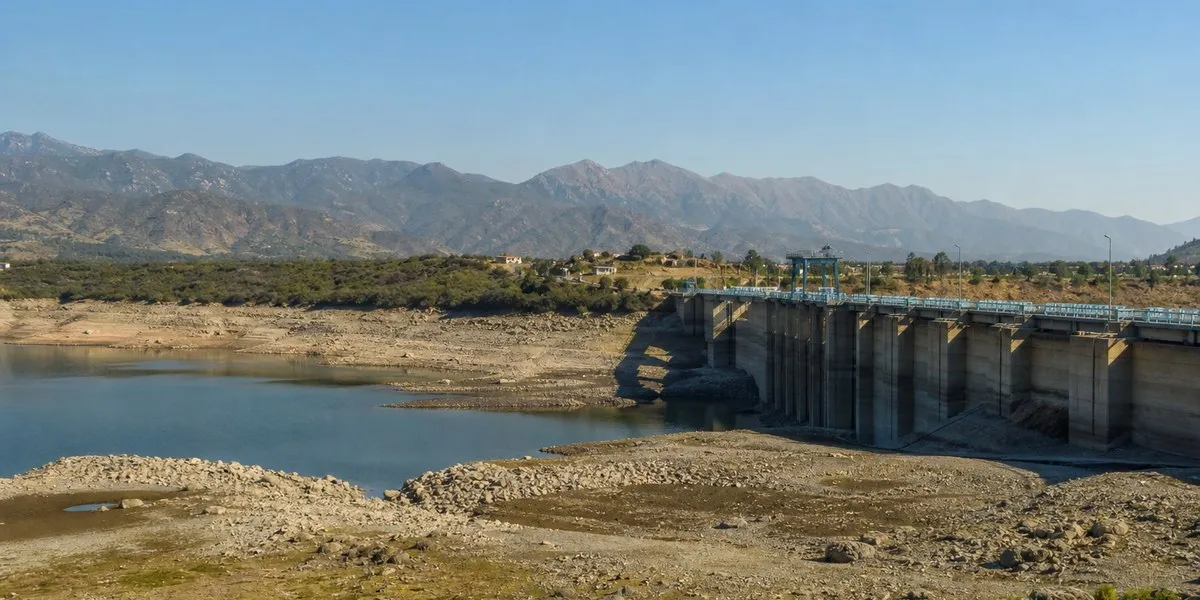
Pakistan expects a water shortage of about 25% in the Rabi season, which begins on October 1. This could heighten risks to the country’s food security, as wheat is the main crop of this agricultural season, Dawn reports.
There was no water shortage in the previous Rabi season, but the country was estimated to have faced a shortfall of more than 2 million tonnes of wheat. With a harvest target of 29.7 million tonnes and consumption needs of 31.9 million tonnes, production was estimated at about 27.5 million tonnes. The government ordered the import of 1 million tonnes of wheat, including 750,000 tonnes under the first phase for delivery in November.
Reservoir stocks have declined
Total water stocks in Pakistan’s two main reservoirs fell below 9.5 million acre-feet before the start of the season, the lowest carryover volume since 2021. Last year, the season began with stocks of 13 million acre-feet, nearly 27% higher than the current figure.
The largest volume of stocks this year was recorded on September 9, at 11.6 million acre-feet. Tarbela Reservoir remained filled to its capacity of 5.8 million acre-feet from August 9 to September 9, while stocks in Mangla Reservoir reached 5.733 million acre-feet on September 9. As of Sunday evening, the water volume in Mangla stood at 5.12 million acre-feet, compared with its maximum capacity of 7.277 million acre-feet.
More current news is available on the UA.News Telegram channel Telegram.
Informed sources of the publication claim that more than 1 million acre-feet of water could have been saved from release from reservoirs during the Kharif season. According to them, parliamentary interventions made it possible to increase releases to Sindh, with an agreement to adjust provincial shares later, but such adjustments could not be made before the end of the season.
Water distribution among provinces
The technical committee of the Indus River System Authority is to make a final determination of available water volumes and propose criteria for their distribution among the provinces for the Rabi season. The authority’s advisory committee was preliminarily scheduled to convene on October 5 to approve provincial shares.
Under the 1991 Water Accord, the needs of Rabi season crops are estimated at 37–38 million acre-feet. Taking into account limited carryover stocks and river inflows over the next six months, the available water volume is expected to be 21–22 million acre-feet.
The current shortage-sharing system could again intensify disputes between Sindh and Punjab. Under the three-tier formula, Balochistan and Khyber Pakhtunkhwa are exempt from cuts, while the water shortage is divided between Sindh and Punjab. Sindh objects to this mechanism, considering its share of the cuts disproportionately large.




