
Escaping Danger: Ukrainians Have Been Given a Clear Evacuation Plan
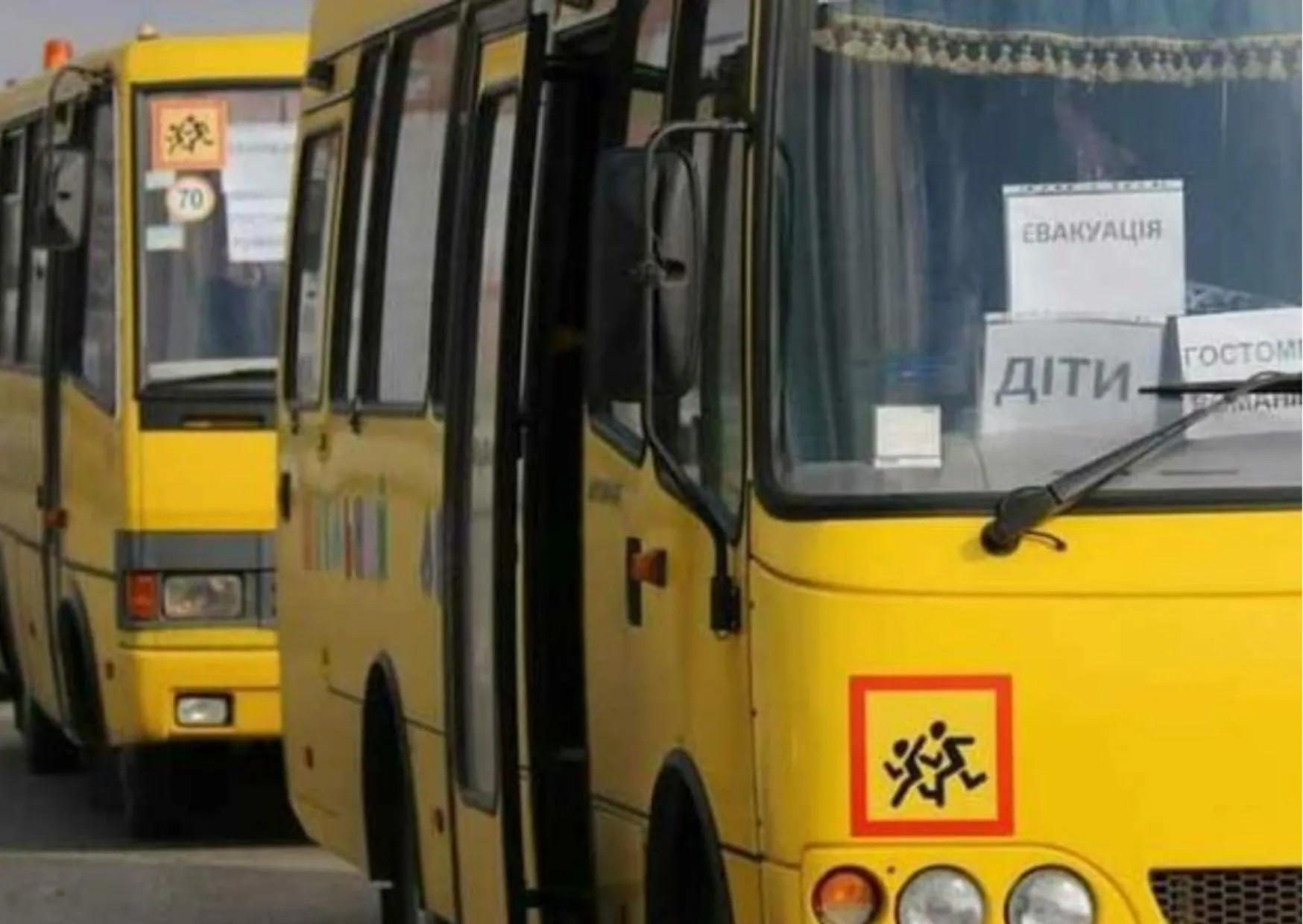
A step-by-step evacuation guide has been prepared for residents of Ukraine’s frontline and border regions. People are being informed about what happens after they leave the danger zone, including where they can receive assistance, housing, and financial support. The evacuation process consists of four main stages—from free transportation to relocation to a safe region.
For someone who has lived under shelling for years, the decision to leave home can be very difficult. Often, people are held back not only by fear of the journey but also by uncertainty about what lies ahead. That is why Ukraine has launched an information campaign titled “It Will Be Difficult, but Everything Will Be Alright in the End,” which aims to explain the entire evacuation process to people in simple terms.
According to research, about 60% of residents in frontline communities are afraid to go “nowhere.” People worry that they won’t have a place to live, won’t be able to find work, or will be left without money or support. Another 30% of people refuse to evacuate even after transportation arrives, because they don’t know where they’ll be taken or what to do upon arrival.
The Ministry of Recovery, Infrastructure, and Transport emphasizes that people are not left on their own during evacuation. To this end, a system has been created that covers not only the evacuation itself but also the first few days after arrival in a safer region. “We want the fear of the unknown to no longer be a reason to remain in danger. Our goal is for everyone who makes this decision to know: they will not be left alone,” said Oleksiy Ryabikin, Deputy Minister of Recovery, Infrastructure, and Transport.
How the Evacuation Works
Ukrainians are told that evacuation is not just a bus picking people up from a dangerous area. After departure, there are several more stages designed to help people adapt to their new surroundings.
The first step: free transportation
First, people must be transported out of the dangerous area. To do this, free transportation is organized via buses or special vehicles. It’s important to note that evacuation isn’t limited to people who can move around on their own. For people with limited mobility, transportation can be arranged while they are lying down. This is especially important for older adults, people with disabilities, and those who have difficulty reaching the assembly point on their own.
In other words, people do not need to find their own transportation or figure out how to leave an area where hostilities are ongoing. An organized evacuation system is in place for this purpose.
Step Two: The Transit Center
After departure, people are directed to a transit center. This is a place where they can rest after the journey and receive basic assistance. There, evacuees are provided with meals. If necessary, people are helped to replace lost documents, purchase tickets, and plan their onward route.
This stage is especially important for those who have no relatives or acquaintances in safe areas. People should not have to figure out on their own where to go next immediately after leaving a dangerous area.
Step Three: Temporary Housing
The next stage is settling in. Upon arrival in a safer region, evacuees are helped to find a place for temporary accommodation. Free lodging is provided for several days. During this time, people can recover from the journey, take care of practical matters, and figure out what to do next. For many, this is one of the main reasons they decide to evacuate. It’s important for people to know that after leaving, they won’t just end up at a train station with their belongings and no plan.
Step Four: Financial Assistance for IDPs
After evacuation, a person can receive financial support. Every evacuee is eligible for a one-time payment of 12,300 hryvnias. In addition, people are assisted in applying for monthly payments for internally displaced persons. This is intended to support those who have lost their homes, jobs, or other sources of income due to the war.
Thus, assistance does not end the moment a person leaves a dangerous area. The system is designed to support them at least during the initial stages after relocation.
How to Apply for Evacuation
To find out about evacuation options or to apply for evacuation, you can call the government hotline at 1548. You can also submit an application or ask questions via the web portal at 1548.gov.ua. You can also contact us via Viber, WhatsApp, or Telegram at +380 96 078 8433.
There is also a separate Telegram bot: @MinRe1548_bot. Through these channels, you can get information about evacuation and the necessary assistance. If the situation in your town becomes dangerous, don’t wait until it becomes physically impossible to leave. It’s better to find out in advance how the evacuation process works, where to go, and what documents and belongings you should prepare.
How many people have already sought help
The evacuation system has been in operation since the first months of the full-scale invasion. According to the Ministry, since 2022, hotline operators have processed over 11,000 requests specifically regarding leaving dangerous areas. In total, the 1548 hotline has received approximately 1.4 million calls since it began operating. This demonstrates just how great people’s need remains for practical information about evacuation, housing, social support, and life after relocation.
Authorities emphasize that the main goal of the information campaign is to alleviate the fear of the unknown. People need to understand that evacuation is not just a journey away from home, but an entire route along which they can receive assistance. For those living near the front lines or in border regions, such information can be particularly important. After all, the decision to leave often has to be made quickly, and knowing in advance about transportation, transit centers, housing, and financial support helps make this step less daunting. This is stated in a press release from Ukraine’s Ministry of Recovery, Infrastructure, and Transport.
Former Prime Minister Yulia Svyrydenko may be appointed chair of Naftogaz of Ukraine. This was announced by People’s Deputy Oleksiy Goncharenko. According to him, the decision has already been made, and the necessary votes on the company’s supervisory board have been secured.


