
Unique artifacts from the Roman and medieval periods have been discovered beneath Notre Dame Square
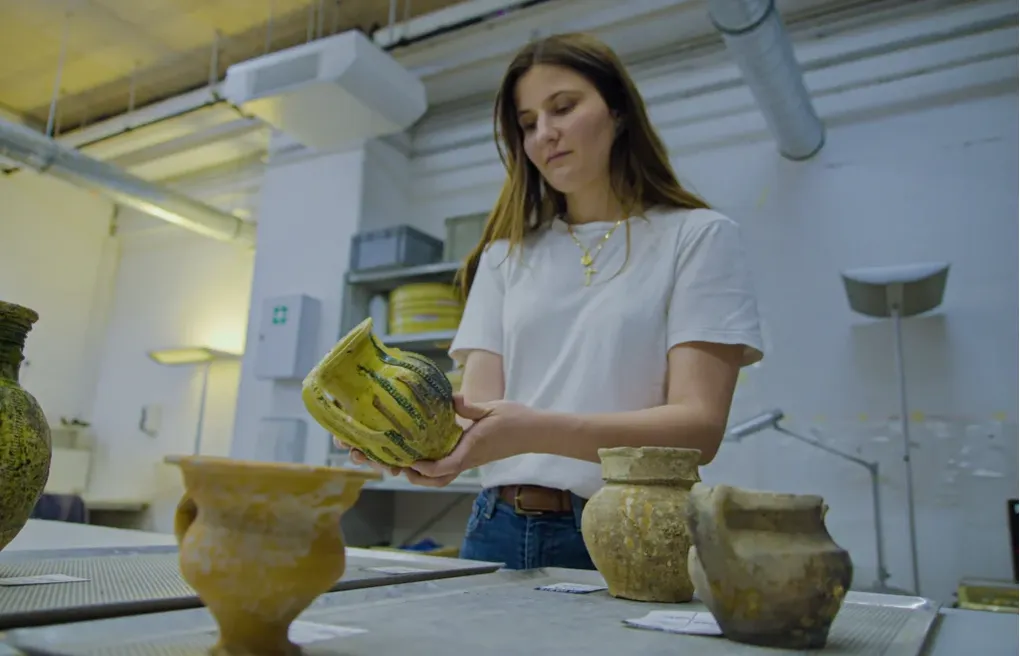
During preparatory work for the large-scale renovation of the square in front of Notre-Dame de Paris, archaeologists made unique discoveries spanning nearly two thousand years of the French capital’s history.
Following the devastating fire in 2019, the cathedral itself was fully restored and reopened to visitors at the end of 2024. Now it is the turn of the surrounding area, where city authorities plan to create green spaces. However, construction work is preceded by thorough scientific research.
Part of the square has now been transformed into an open-air archaeological site with a four-meter-deep excavation pit. Because new structures in Paris have been built on top of older ones for centuries, the historical layers lie very close together—researchers are already discovering the first finds at a depth of just half a meter. The pace of the excavations is so intense that on some days, scientists fill up to 15 boxes with finds.
Archaeologists have managed to clearly distinguish several historical periods that overlapped on the Île de la Cité—the cradle of the future metropolis:
12th century: the cellars of medieval residential buildings that densely surrounded the cathedral grounds when its cornerstone was laid in 1163.
6th–10th centuries: large grain pits from the Merovingian and Carolingian periods.
4th–5th centuries: Remains of structures and residential quarters from the Roman era, when the city was still called Lutetia.
Among the hundreds of recovered items, several finds attracted the most attention from experts:
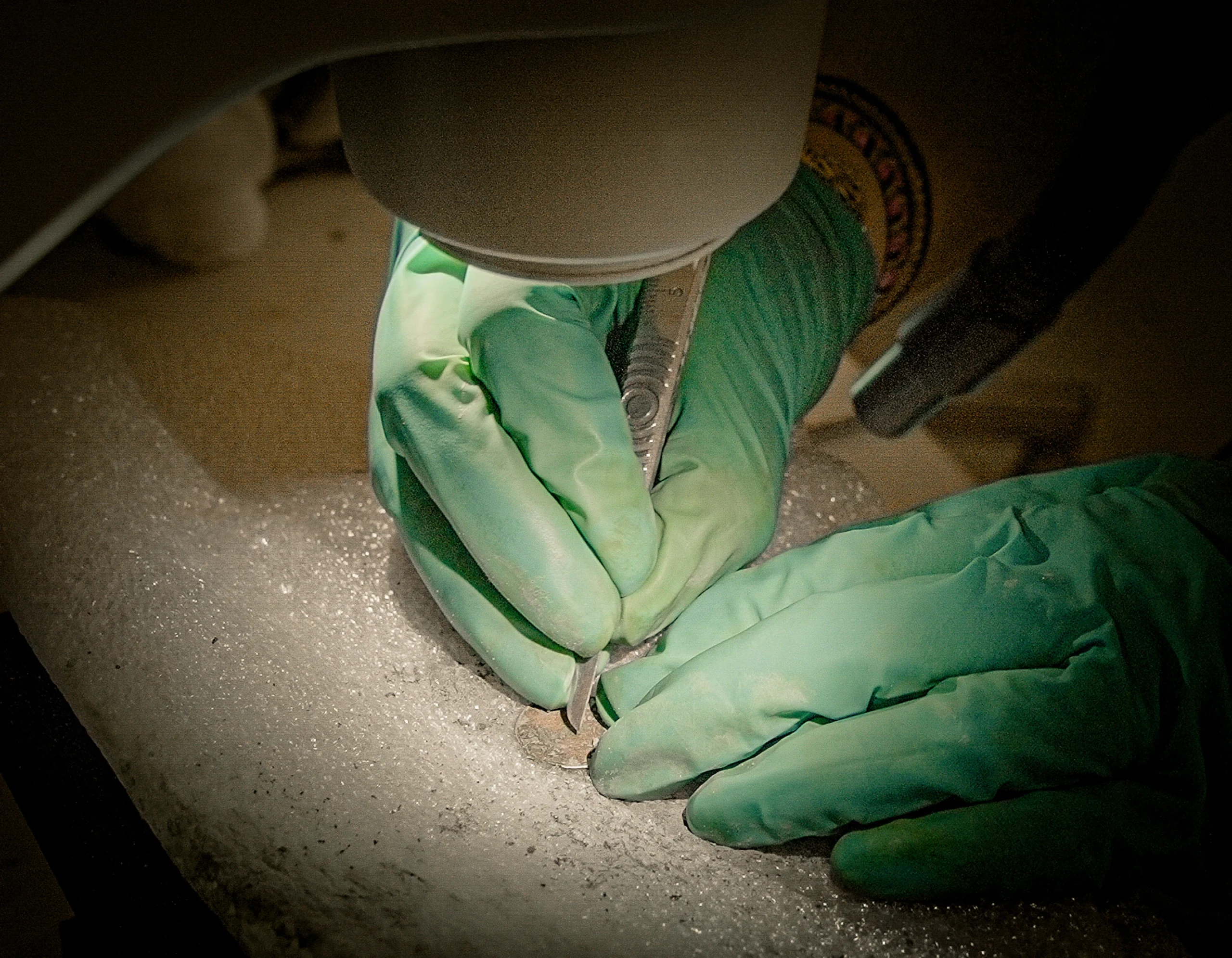
A 4th-century Roman coin: at first, it looked like a dark metal disc severely damaged by corrosion. Only through X-ray examination was it possible to clearly make out the profile of the Roman Emperor Constantine the Great on it.
Intact medieval pottery: completely intact clay jugs and cups were preserved in cesspools beneath the remains of houses, which were often used as household trash pits at the time.
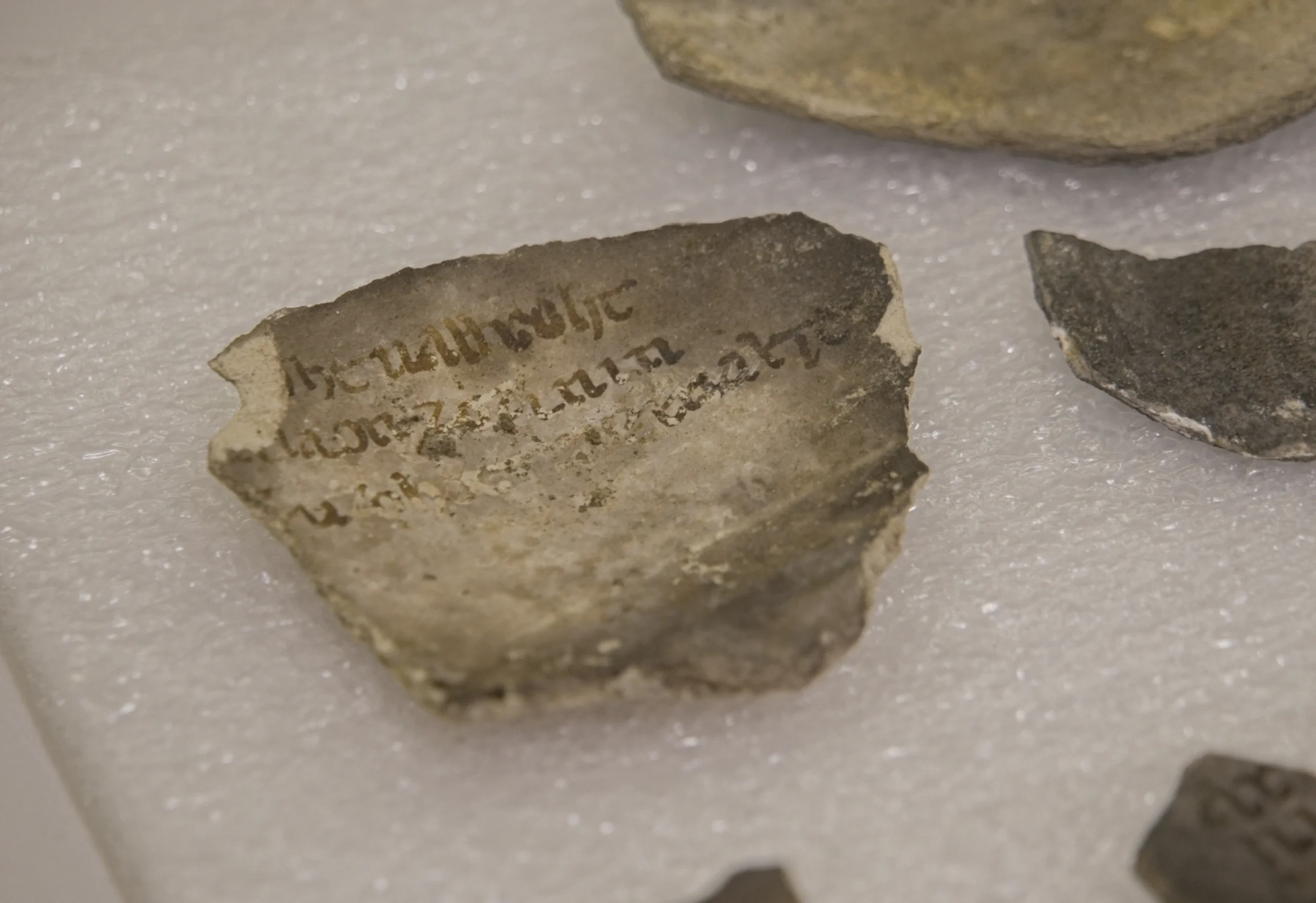
Mysterious inscriptions: on the inner surfaces of several fragments of medieval vessels, scientists discovered strange reddish symbols. These marks are identical across different ceramic fragments, and archaeologists have not yet been able to decipher their meaning or purpose.
All discovered historical artifacts are being transferred to the Paris City Archaeological Center for cleaning, detailed analysis, and inclusion in state catalogs. The reconstruction of the square in front of Notre-Dame is scheduled to be fully completed by 2028. The project includes planting 160 new trees, creating shaded areas to provide relief from the summer heat, and integrating a special water-cooling system for the pavement.
Source: AP
In Italy, during the construction of a highway, workers stumbled upon the remains of an ancient sanctuary dating back to the 5th century BCE. The unique discovery was made near the town of Pons, located about 72 kilometers from Venice. After the artifacts were discovered, large-scale archaeological research began immediately at the site.


