
Russia is asking China to pay for the road to Iran
Russia is actively seeking funding from China to revive the long-standing “North-South” transport project, which is intended to run along the Caspian Sea and on toward Iran, Afghanistan, and Pakistan, creating a new overland route for cargo. According to Russian Deputy Prime Minister Marat Khusnullin, Moscow is discussing not only the participation of Chinese companies in the construction but also direct financing of the project.
This refers to the eastern branch of the international transport corridor, which Russia has been trying to develop for over 20 years but which has consistently stalled due to the route’s complexity, enormous cost, and political barriers. The project’s estimated budget was previously put at approximately $40 billion, and now China is being viewed as the key source of potential investment.
The backbone of the future route is to be the Russian R22 “Caspian” highway, over 1,300 kilometers long, which connects Moscow with Astrakhan; from there, the logistics corridor is to pass through the territories of several Central Asian countries, ending in Iran. The Kremlin expects that Chinese banks and infrastructure funds, particularly the Asian Infrastructure Investment Bank, could finance the construction of specific sections of roads, bridges, and transportation hubs.
Since the start of the full-scale war against Ukraine and the imposition of Western sanctions, Russia has been increasingly redirecting its trade flows toward Asia and the Middle East in an effort to reduce its dependence on European markets. This is precisely why the new Caspian route is being presented as strategic; according to Russian estimates, it could reduce cargo delivery times to Iran by 15–20%.
At the same time, experts note that the implementation of such a project depends not only on funding but also on complex coordination among transit countries, as well as on China’s willingness to invest resources in long-term infrastructure amid global competition for transport corridors.
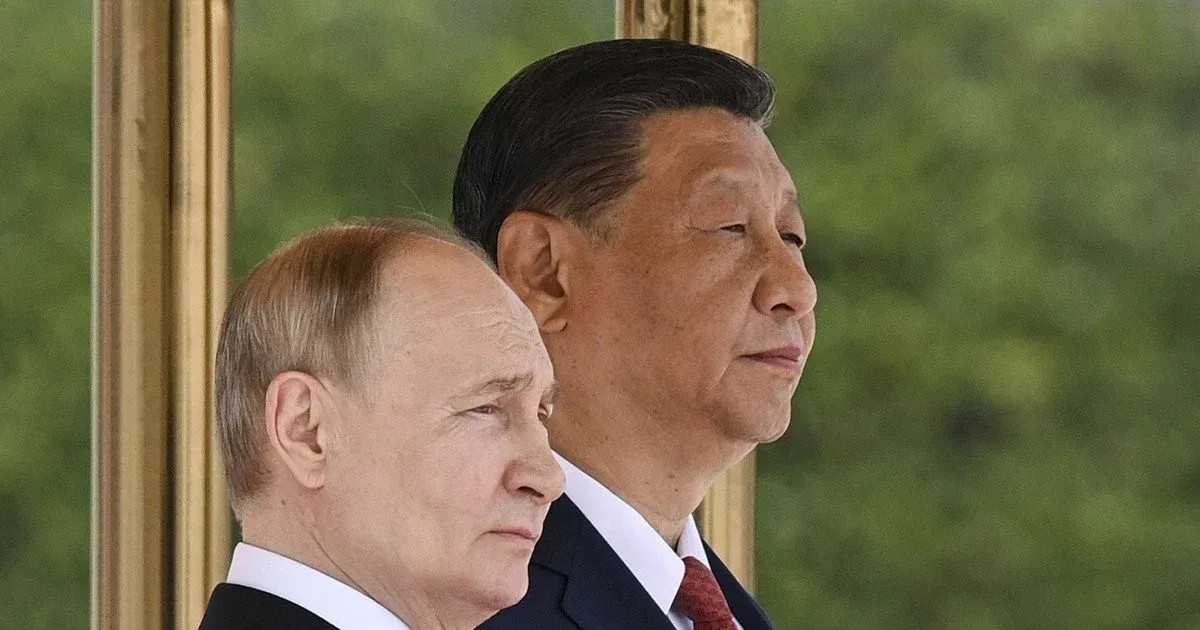
Vladimir Putin arrived in China for a two-day visit, where he will hold talks with Chinese leader Xi Jinping amid sanctions pressure and Russia’s growing dependence on the Chinese market.
On May 19, China’s Foreign Ministry denied a Financial Times report that Xi Jinping had allegedly spoken negatively about Russian President Vladimir Putin’s actions during talks with Donald Trump.
Earlier, Trumppointed out the catastrophic consequences of a mistake in choosing a successor – Fortune.
On May 18, U.S. President Donald Trump posted an AI-generated image in which he is allegedly depicted alongside an “alien” and accompanied by “space forces.”
U.S. President Donald Trump plans to hold a meeting with his national security team this week to discuss possible military action against Iran. According to Axios on May 18, these discussions are taking place against the backdrop of deteriorating diplomatic efforts and rising tensions between Washington and Tehran.


